Creator tests show Seedance 2 handling deep zoom-ins, glossy illustration highlights, and centralized node-based sequences via Martini Art and CapCut. Try it if you want short-film pipelines with more camera control than one-off clips.
The clearest creative leap in these tests is spatial control. In zoom demo, the camera dives from a wide miniature landscape into dense surface detail, giving the shot a “world inside a world” feel that is harder to fake with a static image animation. A separate sequence test uses the same model on a cleaner design brief, moving from a digital grid into a lit architectural model, which suggests Seedance 2 can hold together more presentation-style sequences as well.
Stylized surfaces are another strong point. sword highlights focuses on a rotating illustrated blade with crisp metallic gleam and colored reflections, a small demo but a useful one for creators chasing game-art, motion-poster, or title-card aesthetics where highlight behavior sells the frame.
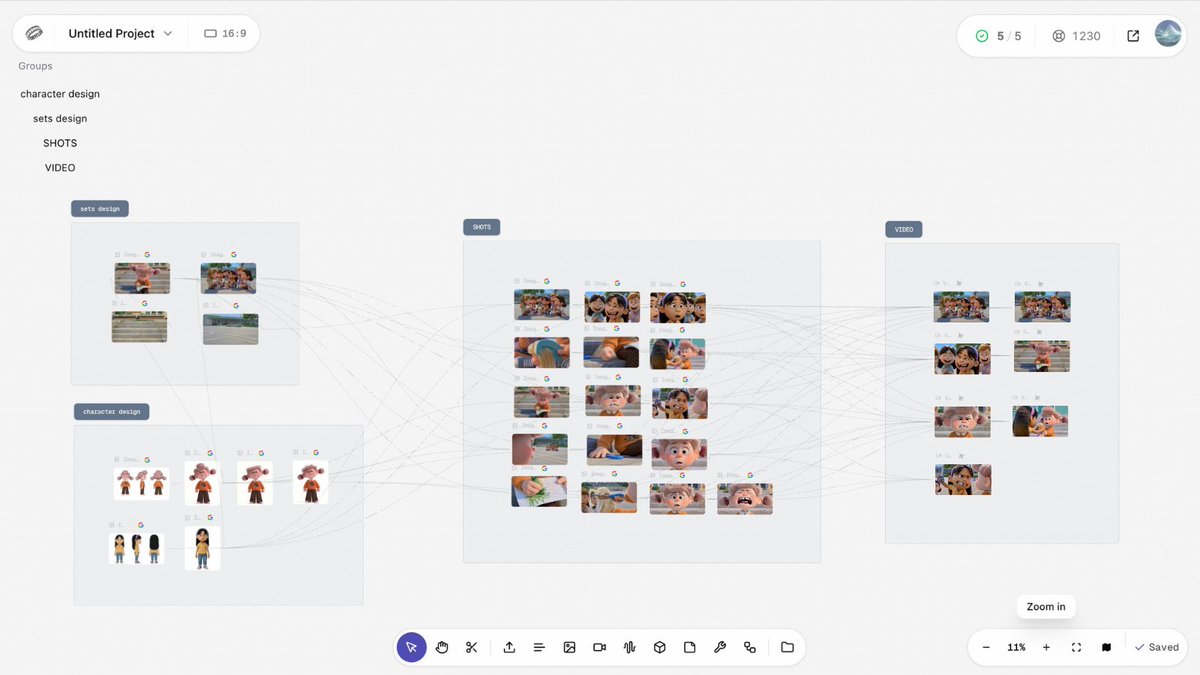
The most concrete workflow detail comes from Martini workflow, where the creator describes a centralized Martini Art pipeline: import characters, convert them with Nano Banana, generate reference shots, and run animation tests inside a node-based system. The companion post Martini link frames that setup as a short-film workflow rather than a one-shot generator, with Martini's platform page positioned as the hub.
That same “generate, test, revise” pattern shows up in lighter tools too. mythical markets presents a Seedance 2 scene built in CapCut, and same prompt test says the creator reused the same prompt with only the ending changed, which is a practical clue for iteration: keep the visual premise stable and swap the shot exit or payoff.
The style tests point in two directions: native illustration strength and hybrid look-building. 3D cartoon mix combines Seedance 2 with a Midjourney sref recipe to get a “healing style” 3D cartoon result, while the thread context also mentions another sref setup aimed at engraved, grayscale fantasy art. Paired with sword highlights, that makes Seedance 2 look less like a realism-only video model and more like a renderer creators can push toward animation, concept art, and cinematic illustration.
The caveat is that these are still creator demos, not controlled benchmarks. But across zoom shots, stylized lighting, and node-based sequence testing, the evidence points to Seedance 2 being used as part of an actual production chain rather than just for isolated wow clips.
What can I say. These zoom-ins you can do with Seedance 2.0 are absolutely insane. It’s like diving into a miniature world.
Look at the highlights on the sword. Seedance 2.0 really shines with these illustration and cartoon styles.

I never miss a chance to share gems like this with you: --sref 3776069550 It’s a stylized cinematic cartoon illustration with European animation influence, elongated proportions, soft painterly rendering, and subtle Tim Burton aesthetics. It also has influences from comics and


Today is the weekend, and I felt like creating a short film with @MartiniArt_ using Seedance, inspired by the kinds of relationships children can have with each other… haha, I’ll let you tell me what you think of it I’m enjoying working more and more with this kind of Show more

That awkward moment when you accidentally like a post… Today I wanted to share a new little slice-of-life scene I created with @MartiniArt_ via Seedance. I really like the fact that the whole workflow is centralized in one place.Importing 2D characters, converting them into
seedance 2.0 + Midjourney sref 2846857487 = Healing style 3D cartoon

This style feels like if WALL-E met Laika in a handcrafted miniature world. Daily share: Try your prompt — sref 2846857487 --v 7 --sv 6 Matte metal, muted blue-gray tones, soft lighting, shallow depth of field… Everything looks like a real stop-motion set you could touch with

