
Codex community ships /dynamic swarms, session lifecycles, and model routing
Builders added /dynamic orchestration, custom-model routing, and repo runbooks around Codex as users exposed new session lifecycle controls in the app. That makes Codex a better fit for long-running, multi-context coding work.
TL;DR
- OpenAI's own Codex app update added Windows computer use, mobile remote access, profile stats, full-text thread search, and better agent identity, according to OpenAI's Windows post, reach_vb's update list, and OpenAIDevs' identicon post.
- The community moved faster on orchestration: daniel_mac8's /dynamic demo packaged Claude-style dynamic workflows into an open source Codex skill, built on the public DannyMac180 skills repo and framed as a way to generate orchestration scripts, spin up swarms, and drop into /goal mode.
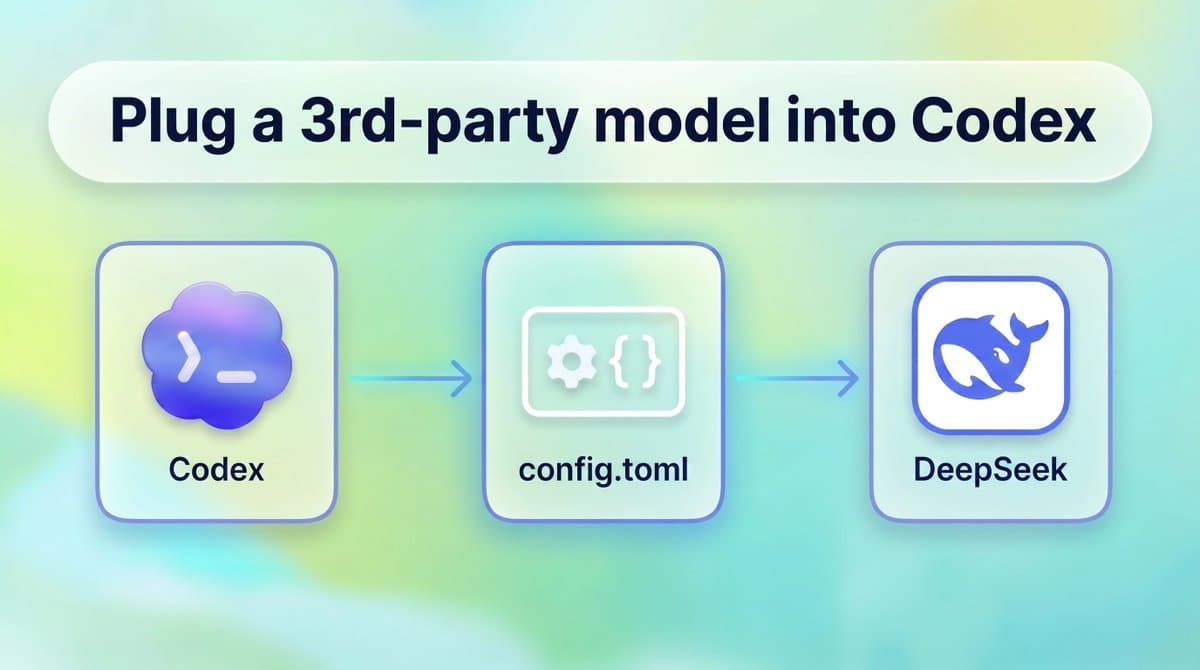
- Model routing is already leaking past the default stack, because aibuilderclub_'s thread says Codex can run third-party models through official config, while its desktop follow-up says the desktop picker still sits behind an allowlist that some users are patching via codex-shim.
- Session management quietly became the other big shift: koltregaskes' writeup says Codex can now create, rename, edit, delete, and archive sessions, and reach_vb's follow-up ties that to multi-worktree orchestration across projects and tasks.
- Power users are starting to treat Codex sessions as durable project infrastructure, with _lopopolo's repo pattern turning AGENTS.md, CONTRIBUTING.md, and checked-in runbooks into agent memory, while mattrickard's note describes backing up nearly 6,000 Codex and Claude sessions.
You can read the official Codex changelog, poke through the new profile docs, browse the open source /dynamic skill repo, and compare it against Anthropic's own dynamic workflows blog post and workflow docs. The fun bit is that Codex users did not wait for OpenAI to ship an official swarm abstraction, and the app update that landed alongside all this quietly made long-lived threads, background agents, and cross-device steering much easier to manage.
/dynamic
Anthropic only shipped dynamic workflows on May 28, with claudeai's launch post, ClaudeDevs' product post, and the official dynamic workflows blog post describing orchestration scripts, tens to hundreds of subagents, and verification loops for large migrations.
One day later, daniel_mac8's Codex demo showed the same pattern running inside Codex as a skill you install from the DannyMac180 repository.
The repo-level pitch is compact:
- Generate an orchestration script.
- Spawn a swarm of subagents.
- Enter /goal mode to finish the task.
That is a clean example of how hackable these agent harnesses already are. daniel_mac8's follow-up repost explicitly frames dynamic workflows as an orchestration pattern, not magic, and NickADobos' reply makes the same point from the other direction, arguing that Codex history search had effectively been scriptable for months.
The practical gap is cost and pacing, not capability. daniel_mac8's token comparison claims his Codex version used 175K tokens in 15 minutes on the same task where Claude Code used 700K tokens in 40 minutes, while koltregaskes' warning points back to Anthropic's own workflow docs to note that these patterns can burn through usage quickly.
Model routing
The other community discovery is that Codex's routing layer is looser than the default UI suggests. aibuilderclub_'s setup thread says the official config can point Codex at DeepSeek, Kimi, GLM, and other third-party models, and jasonzhou1993's note pushes the same claim further, saying open source models can sit behind the Codex harness.
According to the desktop allowlist post, the split is between surfaces:
- CLI accepts custom backends immediately.
- Desktop hides them behind a server-side allowlist.
- Patched desktop builds may expose them as Custom or surface them normally.
That makes the codex-shim repository more than a hacky side quest. It is evidence that users already see Codex as a front end and workflow layer, not just a bundle of OpenAI-hosted models.
Session lifecycle
The biggest product change buried in the update cycle is session lifecycle control. koltregaskes' session post says Codex can now create, rename, edit, delete, and archive sessions, which turns threads from disposable chats into persistent contexts you can manage programmatically.
OpenAI's own surface changes line up with that reading. OpenAIDevs' search post says the app now searches prior chat content, not just titles, while the official Codex changelog and OpenAIDevs' identicon update add stable pixel identicons for background agents.
Then reach_vb's follow-up gets specific about how people are using it:
- Create and interact with threads across projects and tasks.
- Orchestrate multiple worktrees.
- Implement a feature from different points of view using subagents.
- Archive, unarchive, and retrieve threads by context.
The session layer also explains the flood of UI comparisons. nummanali's comparison says Codex feels cleaner because sessions sync with terminal state, while jerryjliu0's screenshot post complains that Claude still spreads related work across separate chat, cowork, and code tabs.
Repo runbooks
The most useful hands-on pattern in the evidence is not another benchmark, it is documentation layout. _lopopolo's thread describes turning the repo itself into Codex's operating environment.
His setup breaks down into five checked-in pieces:
AGENTS.mdexplains what the repo is, the operating loop, and golden-path workflows.CONTRIBUTING.mdholds onboarding and common tool invocations for humans and agents.- Supply-chain posture and toolchain pinning live in docs, with Codex handling re-pinning cooldowns.
- Each automation points to a durable runbook stored in the repository.
- Guardrail sets live under
docs/guardrailsas reusable persona-like constraints.
The linked example AGENTS.md matters because it shows the pattern is not theoretical. Codex gets stronger when the workflow, the runbook, and the guardrails live in version control next to the code.
That same instinct shows up in session retention. mattrickard's session backup post says he has nearly 6,000 saved Codex and Claude sessions and tags commits with session IDs and agent names, which is about as clear a sign as you can get that chat history is being treated like build history.
Remote control and profile stats
The app update on May 29 filled in the rest of the long-running-work loop. OpenAI's Windows announcement and OpenAIDevs' developer post say Codex computer use now works on Windows, with the ChatGPT mobile app acting as a remote steering surface for Windows machines.
The mobile changelog around it is unusually rich. reach_vb's iOS update list added /side conversations, end-of-turn diff summaries, archived remote threads, one-tap model switching, Spotlight and Shortcuts support, and reconnect improvements. testingcatalog's side conversation post surfaced /side as a way to ask side questions without disrupting the main thread.
OpenAI also added a new profile page, and sound4movement's profile doc link says it tracks lifetime tokens, peak tokens, streaks, longest task, and token activity. The screenshots in jxnlco's longest-task post and testingcatalog's profile post show why that matters: once agents are running for 10 hours or more, usage telemetry stops being vanity and starts looking like job control.