
Copilot users report $221 for 15 GPT-5.5 messages before June 1 billing switch
Ahead of GitHub Copilot's June 1 usage-based billing switch, users documented GPT-5.5 sessions hitting 60M tokens and $221 across 15 messages on the legacy per-message plan. The examples show why flat message buckets break once single requests can run for hours and consume extreme token counts.
TL;DR
- theo's first post claimed one GPT-5.5 Copilot message had already crossed 60 million tokens and about $30 in inferred compute while still running.
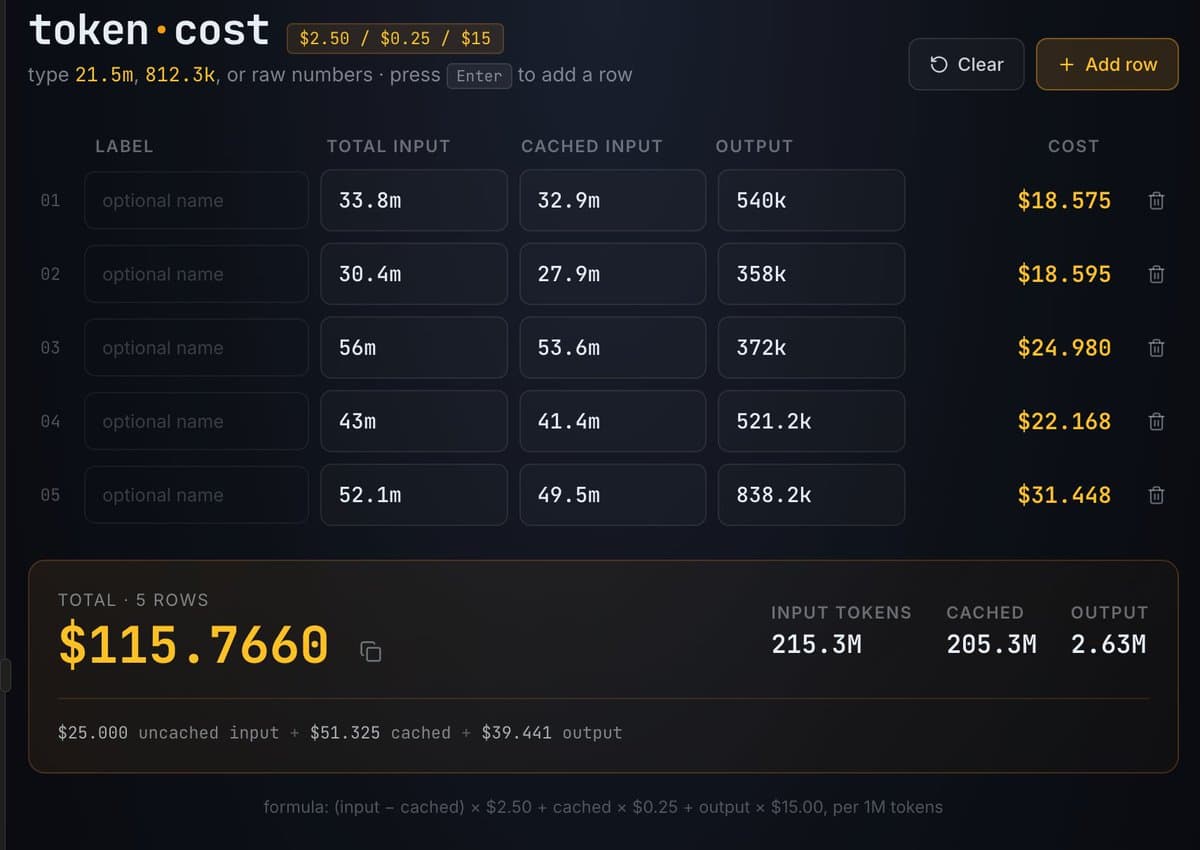
- By the time theo's $221 screenshot landed, the same experiment had reached 15 messages, 411.8 million input tokens, 392.3 million cached tokens, 4.95 million output tokens, and $221.13 of estimated token spend on a $40 Copilot Pro+ plan.
- GitHub had already said in its usage-based billing announcement and billing docs that premium-request buckets end on June 1, 2026 and get replaced by token-priced GitHub AI Credits.
- GitHub's GPT-5.5 changelog put the model on a promotional 7.5x premium-request multiplier, which helps explain why long agentic runs were the stress test for the old plan.
- The same docs GitHub used to explain the transition also show the clampdown started earlier: usage monitoring docs added tighter session and weekly limits on April 20, before the June 1 pricing switch.
GitHub had already published a bill preview flow for early May, side by side with the new AI credit tables. Then theo's screenshot showed why that work was urgent: one small batch of GPT-5.5 messages could rack up token totals that look more like API spend than subscription chat. Even the weird footnotes are useful here, from the 7.5x GPT-5.5 multiplier to the Hacker News thread zeroing in on weekly caps.
60M tokens on a flat bucket
The cleanest fact in the whole episode is that Copilot's old billing unit was messages, not work. In theo's first post, one message was still running after 60 million tokens and roughly $30 of estimated inference.
A few hours later, theo's $221 screenshot put harder numbers on the same loophole: 15 messages had produced $221.13 in estimated token spend while consuming only 1.6 percent of a $40 monthly plan. The screenshot breaks that into $48.75 uncached input, $98.08 cached input, and $74.31 output.
That is Christmas come early for billing-model nerds. Once one request can run for hours, reuse hundreds of millions of cached tokens, and keep emitting output, a flat message bucket stops describing the underlying cost at all.
GitHub AI Credits
GitHub's own explanation matches the direction theo on the June 1 switch pointed to. In the official announcement, GitHub says all plans move to usage-based billing on June 1, 2026, replacing premium requests with GitHub AI Credits priced from input, output, and cached tokens.
The underlying docs are more concrete. Usage-based billing for individuals says 1 AI credit equals $0.01, Copilot Pro includes 1,000 credits per month, and Copilot Pro+ includes 3,900. When users run out, they can either stop or set a dollar budget for overage spend.
GitHub had already telegraphed why GPT-5.5 would accelerate the break. Its GPT-5.5 rollout note launched the model with a 7.5x premium-request multiplier, and the supported models page repeats that GPT-5.5 was on promotional pricing before the token-based switch.
Limits before the switch
The billing change was not the first sign GitHub knew the old setup was under pressure. The usage monitoring docs say Copilot Pro, Pro+, and student plans got tighter session limits and rolling 7 day limits starting April 20.
The individual billing page adds two more details: new Pro and Pro+ sign-ups were temporarily paused on April 20, and existing subscribers who hit unexpected limits could cancel for a prorated refund before May 20. That was weeks before June 1.
There is one last odd detail in the thread. After posting theo's "Oh my god" follow-up and theo's "Booooooooooo" reply, theo said the cap had already been lifted and another $100 of inference had gone through theo's lifted-cap note. That does not change the migration story, but it does show GitHub was still actively tuning guardrails while the legacy plan was on its way out.