
PixVerse launches C1 film-production model with omni reference, 1080p, and 15s clips
PixVerse launched C1 as its first model built for film production, centered on coherent action, storyboard-to-video, and reference-guided consistency. Early tests point to omni reference plus 1080p, 15-second outputs, but teams should wait for broader validation before adopting it.
TL;DR
- PixVerse’s launch post and the official announcement position C1 as the company’s first video model built specifically for film production, with coherent action, cinematic VFX, storyboard-to-video, and reference-guided consistency.
- In the platform docs, PixVerse says C1 supports text-to-video, image-to-video, start and end frame transitions, and reference-based generation, with clips up to 15 seconds at 1080p plus optional synced audio.
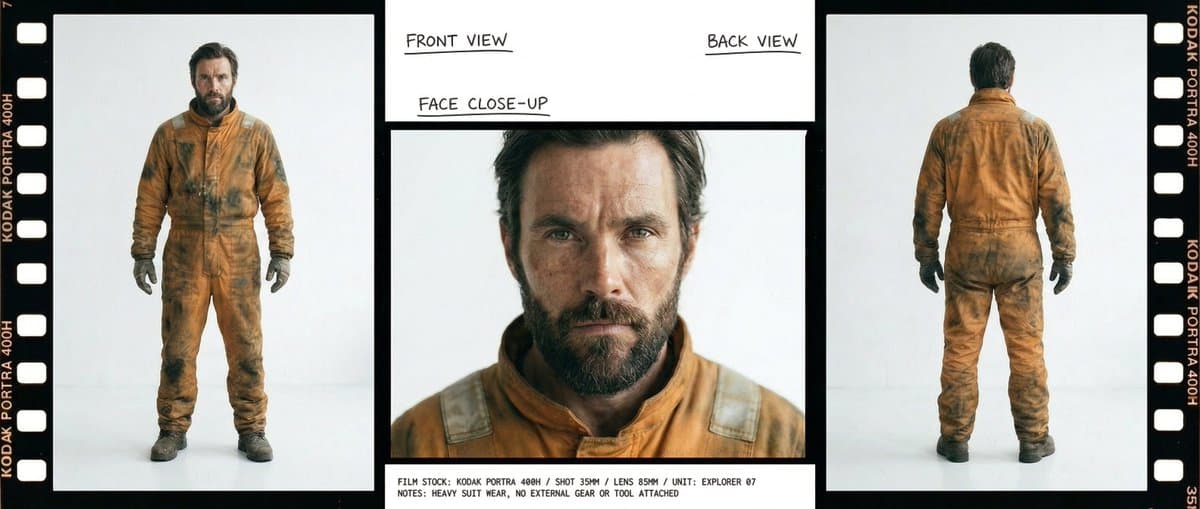
- DrSadek’s early test used subject and scene "2x2 grid" references, while the follow-up post says outputs can run at 1080p for 15 seconds.
- The same docs list concrete production hooks that matter more than launch adjectives: model
c1is exposed across four API endpoints, and the credit table prices 1080p generation at 19 credits per second without audio or 24 with audio.
You can read PixVerse’s announcement, skim the C1 docs, and compare it with the company’s V6 launch, which already pushed 1080p, 15-second clips, and native audio. The new piece is the film-production packaging: multi-panel storyboard conversion, reference-based continuity, and a much louder pitch around action choreography and effects. One early demo already leans into that reference workflow.
C1 is pitched around action, VFX, and shot continuity
The official post says C1 bundles three things into one model: an industrial-grade action engine, cinematic visual effects, and intelligent multi-panel storyboarding. In PixVerse’s wording, the target is the ugly part of AI video, close combat, fast motion, object interaction, and scene-to-scene coherence across multi-shot sequences.
The docs sharpen that pitch into a more specific feature list:
- physically accurate character motion
- high-impact melee and firearms sequences
- lighting, particles, wind, lightning, ice, and fire effects
- consistency across multi-character scenes and complex environments
Storyboard-to-video and omni reference are the real hook
PixVerse says C1 can turn static storyboard panels into continuous video, and the docs add that reference-based generation supports multi-panel storyboard-to-video conversion in one click. That is a much more concrete claim than "cinematic quality," because it slots directly into how teams already block scenes.
The early test from DrSadek uses both subject and scene 2x2 grid references, which lines up with PixVerse’s reference-guided consistency pitch. The standalone clip is short, but it is enough to show what C1 is trying to sell: not a single pretty shot, a controllable shot sequence built from supplied visual anchors.
The API and pricing details are already live
The C1 docs say the model is available now on PixVerse Web and through the API, with text/generate, img/generate, transition/generate, and fusion/generate endpoints all accepting "model": "c1". Supported durations run from 1 to 15 seconds, resolutions span 360p through 1080p, and audio can be toggled on or off.
PixVerse’s own pricing table lists C1 at 6, 8, 10, and 19 credits per second for 360p, 540p, 720p, and 1080p without audio, or 8, 10, 13, and 24 with audio. One creator partner also claimed PixVerse generations felt faster than Seedance in recent use, which is anecdotal, but it fits the company’s broader attempt to frame PixVerse as a production workflow tool rather than a pure showcase model.