
Claude Opus 4.8 supports browser-game demos in Angry Birds and GTA-style tests
Creators shared browser-game workflows that pair Magnific asset generation or single Claude prompts with playable HTML demos. The examples matter because they turn vibe-coded mini-games into short, template-driven production recipes rather than one-off experiments.
TL;DR
- techhalla's Angry Birds demo claims an Angry Birds-style browser game, with Magnific-made assets and an Opus 4.8 coding pass, came together in under 30 minutes.
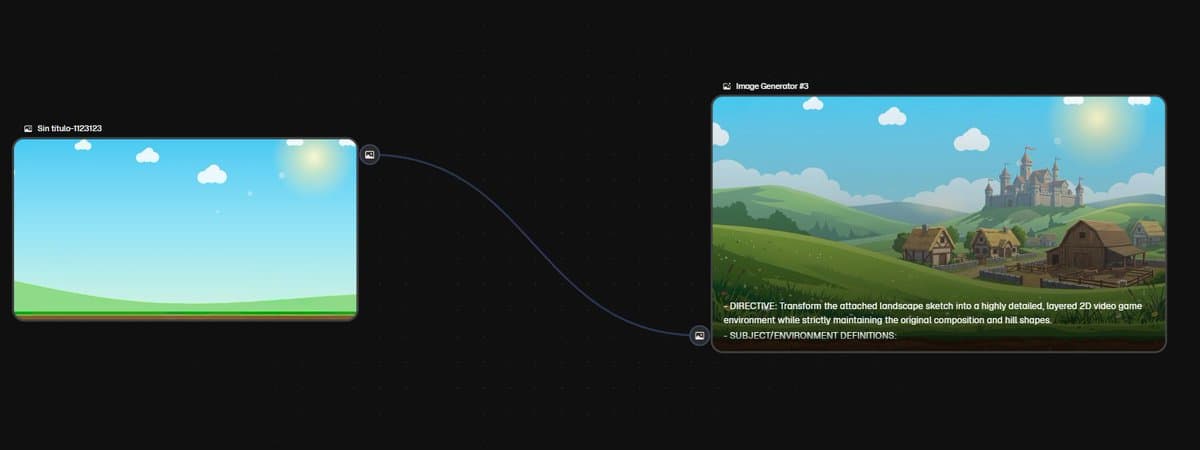
- In the same thread, techhalla's asset editor walkthrough shows the workflow is split across asset generation and in-browser import, while the Magnific Space post says the full Opus 4.8 HTML videogame template prompt is included.
- om_patel5's GTA-style test says a single Claude prompt produced a playable open-world driving game in JavaScript, with police chases, pedestrians, radio stations, and on-foot movement running in the browser.
- Reaction posts like markproduct's repost are blunt about the novelty: the interesting shift is not just that the demos work, it's that both examples are framed as reusable recipes rather than isolated toy builds.
You can watch the Angry Birds clip and the GTA-style clip back to back and see two different patterns emerging. One uses a shared Magnific Space as a handoff between asset generation and coding, the other leans on a single prompt and a big enough usage budget to brute-force a browser game. The useful part is how little setup either post describes.
Angry Birds recipe
The clearest creator workflow in the evidence is techhalla's Angry Birds-style build. The post says Magnific handled the assets, while Opus 4.8 handled the vibe-coded game layer.
A follow-up from techhalla's asset editor walkthrough adds the missing production detail: backgrounds get generated separately, then imported through an asset editor already built into the game setup. That turns the demo from a flashy clip into a repeatable pipeline.
One-prompt GTA-style test
The second demo pushes in the opposite direction. According to om_patel5's post, one prompt asking Claude to build "GTA 7" in JavaScript produced a browser game with drifting, car theft, pedestrian reactions, police chases, wasted and busted screens, radio stations, and on-foot play.
The post also says the run used about 11% of a weekly Max 5x plan. That is one of the only concrete cost signals in the evidence, and it suggests these larger browser-game builds are still bounded by subscription budget, not just prompt quality.
Magnific Space template
The last useful detail is distribution. techhalla's post links to a public Magnific Space and says it includes the full prompt for the Opus 4.8 HTML videogame template.
That makes this story more interesting than a pair of viral clips. One example ships with a reusable prompt and asset workspace, while the other shows how far a single Claude run can stretch when the target is a self-contained browser demo.