
Luma Agents adds UGC ad generation from briefs and benefit hooks
Luma Agents posted new examples for turning briefs and benefit hooks into UGC-style ad assets, while creators shared active boards for related ad builds. The evidence points to repeatable low-polish brand ad generation instead of single polished hero spots.
TL;DR
- LumaLabsAI's Seedance 2.0 launch post says Seedance 2.0 is now live inside Luma Agents app, framing the tool as a way to generate finished shots across portrait, landscape, sci-fi, and fantasy styles.
- In back-to-back examples, LumaLabsAI's brief-to-UGC post and LumaLabsAI's benefit-hook post shifted the product story from cinematic clips to repeatable ad production: define the brief, style, hook, and message, then let Agents generate the asset set.
- LumaLabsAI's testimonial-graphic example extends that same pattern beyond video, pitching Agents as a system for turning customer quotes into visual assets rather than a one-off shot generator.
- The creative angle is low-polish on purpose: NahFlo2n's "yapping" UGC workflow argued that one script can be remixed into dozens of native-feeling ad variants by changing face, room, tone, and objection handling.
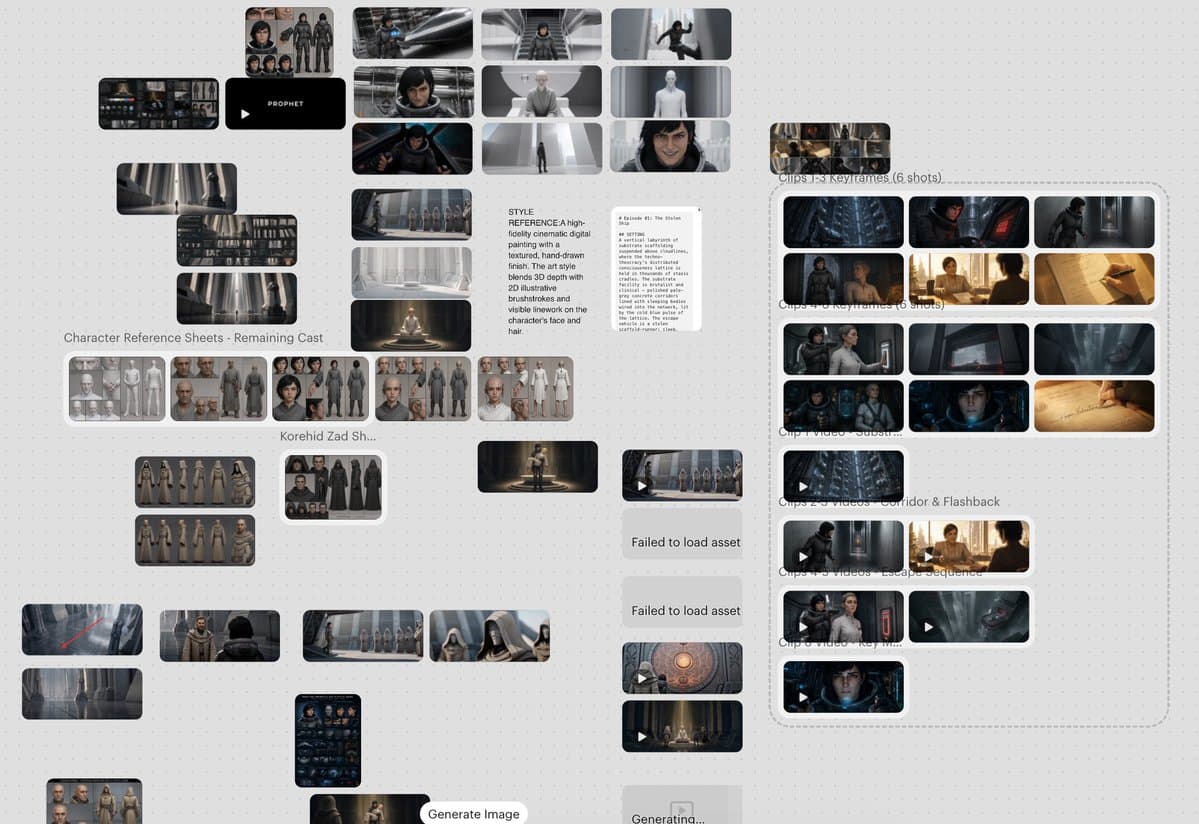
- kaigani's board screenshot shows at least one creator already using Luma Agents as a board-based workspace for a Seedance 2 project, which makes the product look more like an ad iteration surface than a single prompt box.
You can jump straight into the Luma Agents app, watch LumaLabsAI's UGC-style ad example, compare it with the benefit-asset follow-up, and see a creator's active Seedance 2 board post. The weirdly useful detail is how consistently the examples avoid polished brand-film language. Even the outside reaction in NahFlo2n's thread treats the format as scalable "normal person talking" inventory, not hero content.
Seedance 2.0 inside Luma Agents
Luma positioned Seedance 2.0 as a capability inside Agents, not as a separate destination. The launch post pairs broad style coverage with a direct link back to the app, which suggests the product surface is now doing orchestration and asset packaging around the model, not just raw generation.
That shows up in the formats Luma picked to demo. Alongside cinematic footage, the company also posted testimonial graphics, which widens the story from video generation to campaign asset generation.
Brief-to-UGC workflow
The two clearest workflow prompts are almost copy-paste templates for ad teams:
- Define the brief.
- Set the style.
- Set the hook.
- Define the message.
- Let Agents build the asset from there.
The important shift is the input type. Luma is not asking for a finished storyboard or a polished spot treatment in these posts. It is asking for marketing primitives, then showing UGC-style outputs on top.
Boards and variations
kaigani's post adds a small but useful product clue: the Seedance 2 project appears to live on a board. That points to a workflow organized around collecting, sorting, and revising many shots or concepts at once.
NahFlo2n's outside example gives the clearest explanation for why that board structure matters. The thread breaks scalable UGC into interchangeable parts:
- different face
- different hook
- different room
- different tone
- different objection
- same product, new angle every time
That is basically the asset logic Luma's own examples are selling. The interesting part is not raw realism. It is the ability to manufacture lots of low-polish variations that still read as native social ads.