
Seedance 2.0 supports 4-minute films across Runway, Hailuo, InVideo, and Leonardo
Creator posts showed Seedance 2.0 running inside Runway, Hailuo, InVideo, and Leonardo, with examples ranging from cinematic action clips to a four-minute short. That matters because Seedance is behaving more like a portable video engine inside broader creator stacks, not just a single-destination model.
TL;DR
- Creator posts over three days showed Seedance 2.0 running inside awesome_visuals on Runway, awesome_visuals on Hailuo, Anima_Labs on InVideo, and MayorKingAI on Leonardo, which makes the model look more like a portable generation layer than a single locked destination.
- The headline capability in the evidence pool is duration: awesome_visuals' four-minute claim said Seedance 2.0 could produce a watchable four-minute piece, and venturetwins' reaction argued that longer AI films now work for niche entertainment even when character consistency still slips.
- A lot of the best examples are action-first: CharaspowerAI's cyberpunk chase and AllaAisling's alien moon prompt both lean on dense camera directions, destruction beats, and environment changes instead of short aesthetic loops.
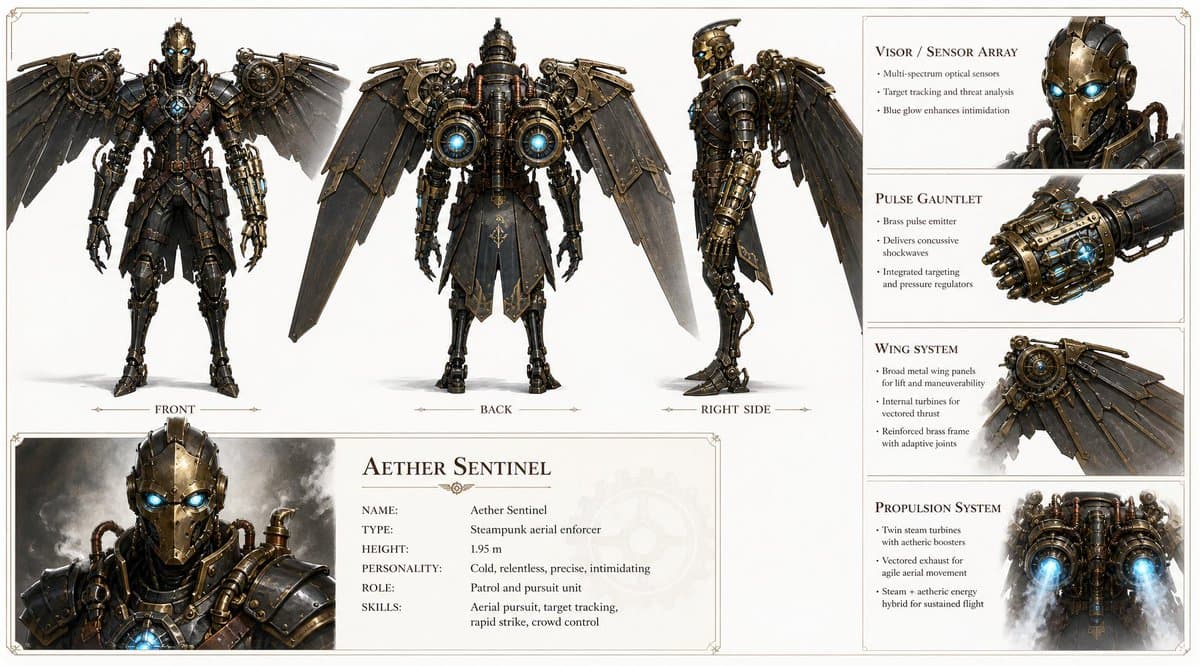
- Seedance 2.0 is also showing up in multi-tool pipelines, with MayorKingAI's steampunk workflow using GPT Image 2 for design sheets before animating in Leonardo, while AllaAisling's orbital ring clip was later upscaled to 4K with Topaz.
- The most useful workflow clue came from ai_artworkgen's Aleph tests and the follow-up test thread, which treated Seedance clips as editable source footage for relighting, restyling, outfit changes, and environment swaps.
You can jump from Hailuo mail-themed footage to Leonardo's character-sheet pipeline, then over to InVideo's horror trailer setup. The weirdest shift is that Runway Aleph tests built on Seedance outputs treated the model's clips as raw material for a second editing model, while a four-minute short made with Seedance 2.0 pushed past the usual 5 to 15 second demo loop.
Four-minute shorts
The strongest claim in the pool is simple: Seedance 2.0 is no longer being shown only as a short clip machine. awesome_visuals posted that they were "getting there" on four-minute AI videos, and venturetwins framed the result as watchable even with visible identity drift.
That second point matters more than the hype line. venturetwins' note said one character occasionally turned into a "generic Chad," but still argued the niche-specific story carried the piece.
The surrounding creator chatter also shifted from single outputs to repeatable prompt sets. CharaspowerAI's retweeted thread pitched a pack of seven Seedance 2 prompts as reusable action templates, which fits the move from one-off tests toward serial production.
One model, four host tools
Across the evidence window, creators explicitly tagged four different host products:
That cross-posting pattern is the real story. Seedance 2.0 kept showing up as the engine inside broader creator stacks, while each host added its own wrapper, editing surface, or companion tools.
Anima_Labs paired Seedance 2 with InVideo and used the post to tee up InVideo's broader "Agent One" assistant director pitch. MayorKingAI used Leonardo as the animation surface after generating design materials elsewhere, which is a different kind of host role entirely.
Prompt-led action clips
The best Seedance prompts in this set read less like image prompts and more like shot lists. CharaspowerAI's example specifies aerial dive-ins, ultra-low tracking, whip pans, FPV chase movement, hologram impacts, and a final billboard crash. AllaAisling's alien moon prompt does the same thing with unstable activation beats, near-collision moments, shockwaves, and a last-minute stabilization reveal.
Those posts surface a pattern worth stealing:
- Define the subject.
- Define the environment.
- Define the camera path.
- Define escalation beats.
- Define the closing image.
AllaAisling's orbital ring post pushes the same structure to disaster scale, stacking evacuation crowds, falling debris, atmospheric burn, ocean anomalies, and a final thruster-assisted stop. Seedance looks strongest here when the prompt is choreographing events across a sequence, not just describing a look.
Character-sheet to shot pipeline
MayorKingAI's thread is the clearest workflow breakdown in the set. The assets were built with GPT Image 2 first, then animated with Seedance 2.0 inside Leonardo.
The prep materials are unusually concrete. the Kael Veyron sheet locks character age, build, face, clothing, hoverboard details, and even the layout of the turnaround sheet before animation starts.
That same thread also defines the opposing machine character in the Aether Sentinel sheet, down to propulsion, gauntlet, wing system, and role. It is a clean example of how creators are using image models to solve preproduction, then handing Seedance a more controlled visual bible for motion.
Seedance as source footage for editors
The most forward-looking use case here came from ai_artworkgen's Aleph test, which started with an original video labeled "Seedance 2.0" and then used Runway's Aleph 2.0 to change lighting, environment, weather, time of day, outfits, and style.
the follow-up thread added the practical details:
- up to 30 seconds and 1080p
- frame selection and re-render flow
- strong handling of film stocks and color grading
- seamless outfit adjustments in some scenes
- weak spots on logos, branding, and facial detail in wider shots
That editing angle also helps explain why CuriousRefuge's comparison described Seedance 2.0 as more photorealistic and "one of the most intelligent AI video models overall" when stacked against Gemini Omni for big action scenes. The value is not only first-pass generation. It is that Seedance footage is already good enough to become source material for a second pass inside another video system.