
Seedance 2.0 adds two-prompt ad builds and UGC batch workflows
Creators are using Seedance 2.0 to turn reference images and storyboard sheets into ad spots, indie clips and realistic UGC from a single product shot. Use a first-frame pass followed by an animation pass to keep consistency and test variants faster.
TL;DR
- techhalla's commercial thread showed the cleanest Seedance 2.0 ad recipe in the evidence set: generate a six-panel storyboard from a reference image, then animate that board with a second prompt.
- NahFlo2n's UGC batch workflow pushed the same logic into ecommerce, claiming one product image can expand into multiple hooks, scenes, and use cases without a creator shoot.
- underwoodxie96's workflow note and underwoodxie96's first-frame demo both framed Seedance as the second stage in a two-model stack, with GPT Image 2.0 handling the first frame or storyboard and Seedance handling motion, pacing, and shot transitions.
- underwoodxie96's storyboard warning argued that dense boards hurt output quality, which helps explain why the best Seedance examples here use sparse structure, strong references, and explicit camera beats instead of wall-of-text scene descriptions.
- Artedeingenio's storybook thread, Artedeingenio's claymation post, and AllaAisling's desert warrior clip suggest the model's real range is wider than ad creative, from children's-book motion to claymation to glossy action reels.
You can inspect the exact storyboard prompt and video prompt from one first-frame workflow, browse a public Leonardo page that creators used for GPT Image 2 plus Seedance, and compare it with the six-phone UGC batch mockup in NahFlo2n's workflow graphic. There is also a blunt prompt-design note from underwoodxie96's storyboard warning, plus a Chinese-prompt tip from 0xInk_ claiming better accuracy and fewer restrictions.
Two prompts, one commercial
The standout ad build came from techhalla's commercial thread. The workflow is almost suspiciously short.
The two steps:
- Use a reference image to generate a six-panel storyboard with camera notes.
- Feed that board plus the same character reference into Seedance 2.0 for the final animation.
The first prompt in techhalla's storyboard post locked character identity, product design, and panel order. The second prompt in techhalla's animation pass switched into production language: lens choices, second-by-second timing, sound cues, and a demand for consistent facial features and packaging.
That split matters because the storyboard is doing continuity work before Seedance ever starts moving pixels. In the OCR from techhalla's storyboard post, each panel already defines shot size, action, and escalation. The animation pass in techhalla's animation pass mostly translates that sheet into motion.
One product shot, many UGC variants
NahFlo2n's pitch was not cinematic polish. It was volume. In NahFlo2n's UGC batch workflow, one water-gun product image fans out into six TikTok-style variants with different hooks, product angles, and use cases.
The recurring pattern across the water-gun workflow, the bottle demo, and the hygiene ad thread is that Seedance 2.0 works best when the ad breaks into micro-scenes:
- table or pack shot
- hand-held proof shot
- lifestyle usage shot
- close-up problem shot
- benefit-specific variation
- alternate hook for testing
NahFlo2n's hygiene ad thread made the same case from the opposite angle. Instead of creator-style footage, it turned invisible hygiene problems into visualized contamination scenes. That is a good clue about where Seedance is getting traction first: not brand films, but cheap, fast tests for products that benefit from showing texture, mess, or proof.
First-frame pipelines are becoming the default
A lot of creators in this set treated Seedance as the motion layer, not the ideation layer. Underwoodxie96 said in their workflow note that GPT Image 2.0 now handles the storyboard reasoning, while Seedance handles transitions, pacing, and final video generation.
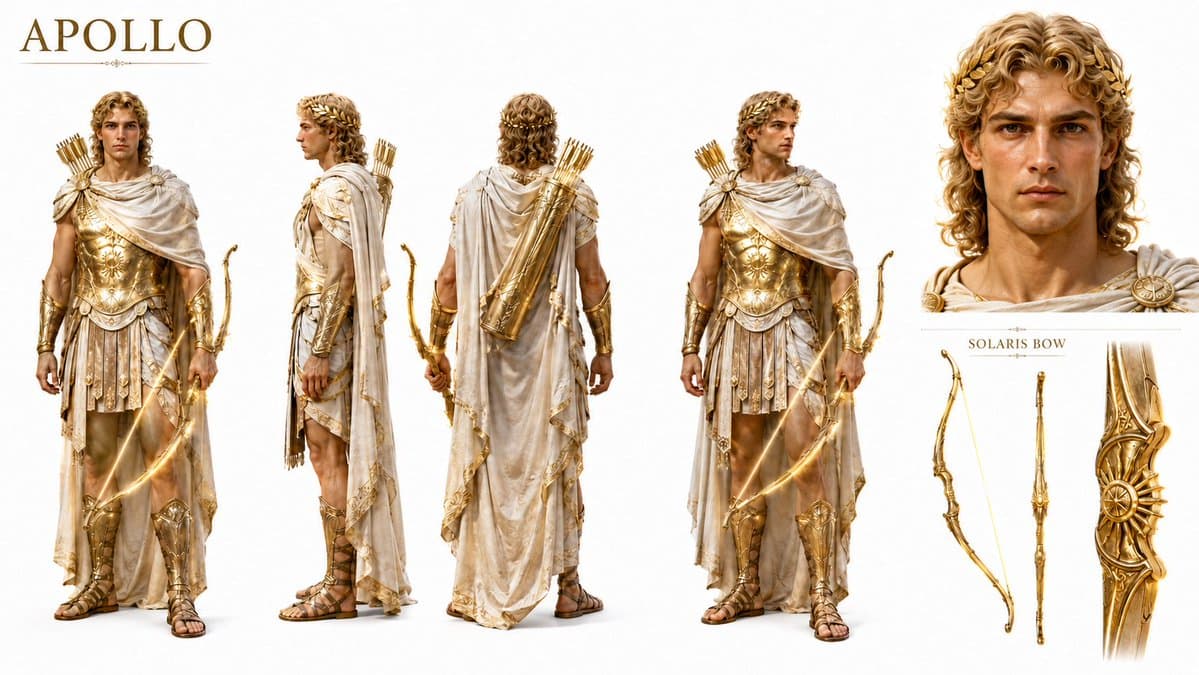
MayorKingAI stretched that pattern into a longer build. According to the Apollo vs Ares thread, the 30-second piece used:
- character sheets for Apollo and Ares
- two 3x2 storyboard sheets instead of one dense 3x3 board
- one Seedance pass for Part 1
- another Seedance pass for Part 2
- Suno for music and CapCut for final edit
The linked thread exposes the whole ladder. The Apollo character sheet lives in the Apollo prompt, Part 1 and Part 2 boards live in Storyboard Part 1 and Storyboard Part 2, and the Seedance animation passes sit in Seedance Part 1 and Seedance Part 2. A public Leonardo page is attached in MayorKingAI's Leonardo link post.
The practical pattern is simple: first lock identity and geography, then animate. MayorKingAI even forced left-right continuity, Apollo on the left and Ares on the right, to stop character swaps in motion.
Fewer words, stronger boards
One of the more useful findings in the evidence set is negative. underwoodxie96's storyboard warning said boards with too much text produce worse video quality.
The examples here back that up. The best threads are detailed, but the detail is structured:
- separate image and video prompts, as in the image prompt and video prompt shared by underwoodxie96
- short panel notes instead of dense prose blocks, as in Storyboard Part 1
- explicit timelines, as in techhalla's animation pass
- stable character anchors, pose references, or start frames, as in kaigani's burst-frame post and bennash's repost of a pose-reference test
There is a nice contradiction here. Creators are writing long prompts, but they are increasingly placing the length in the right place: structured timelines, shot lists, and reference attachments, not overloaded storyboard panels.
Seedance is also a style transfer engine
The ad workflows got the most explicit process talk, but the creative examples show why Seedance 2.0 is spreading so fast. It preserves more of the source aesthetic than the average AI video demo.
Artedeingenio used Midjourney or Niji frames as inputs for multiple looks, including an [indie animation clip](src:1|Artedeingenio's indie animation test), a [Midjourney illustration animation](src:21|Artedeingenio's illustration test), a children's storybook sequence with page-turn logic in the storybook thread, and a claymation sequence with visible fingerprints and handmade imperfections in the claymation post.
Elsewhere, Artedeingenio's paper cut-out animation turned watercolor illustrations into a tabletop stop-motion scene with a human hand entering frame, Artedeingenio's Midjourney plus Seedance combo pushed anime-style character motion, and kaigani's post used the model for aspect-ratio outpainting from 21:9 into 9:16 video.
The common thread is not realism. It is style retention under motion.
Where Seedance 2.0 is showing up
The evidence pool also doubles as a distribution map.
Creators explicitly said they were running Seedance 2.0 through several different surfaces:
- Mitte, in Artedeingenio's indie animation test, Artedeingenio's abstract animation, the storybook thread, the paper cut-out post, and the claymation post
- Hailuo, in AllaAisling's desert warrior clip and CharaspowerAI's Hailuo prompt-share repost
- Dreamina, in AllaAisling's neon megacity sequence and CharaspowerAI's raven VFX post
- Leonardo, in MayorKingAI's Apollo vs Ares build and MayorKingAI's Leonardo link post
- OpenArt, in AllaAisling's Ghost Circuit clip
- Lovart, in AllaAisling's diesel-fantasy short
- Runway, at least as a surrounding toolchain in awesome_visuals' clip and AllaAisling's battle-ships post
- Pollo AI, via Anima_Labs' access claim
- GlobalGPT, via hasantoxr's access thread
That is a useful final clue. Seedance 2.0 is moving less like a single destination app and more like model infrastructure that keeps getting wired into creator platforms, prompt libraries, and remix-heavy workflows.