The most full AI hub: fresh stories, workflows, prompts, deals. Updated daily.
Filter by tag
Tap to toggle filters. Selected tags narrow your feed.
Creators published Nano Banana 2 prompt packs for chrome-logo brand worlds and paparazzi-style fashion shots, including full prompt scaffolds with swap-in variables. The format makes campaign iteration faster, but output quality still depends on strong brand cues and careful scene wording.
An open-source Claude Code template now clones websites from a single /clone-website command using Chrome MCP, design-token capture, and parallel git worktrees. It packages front-end recreation into a repeatable flow, but current proof comes from repo demos rather than broad field use.
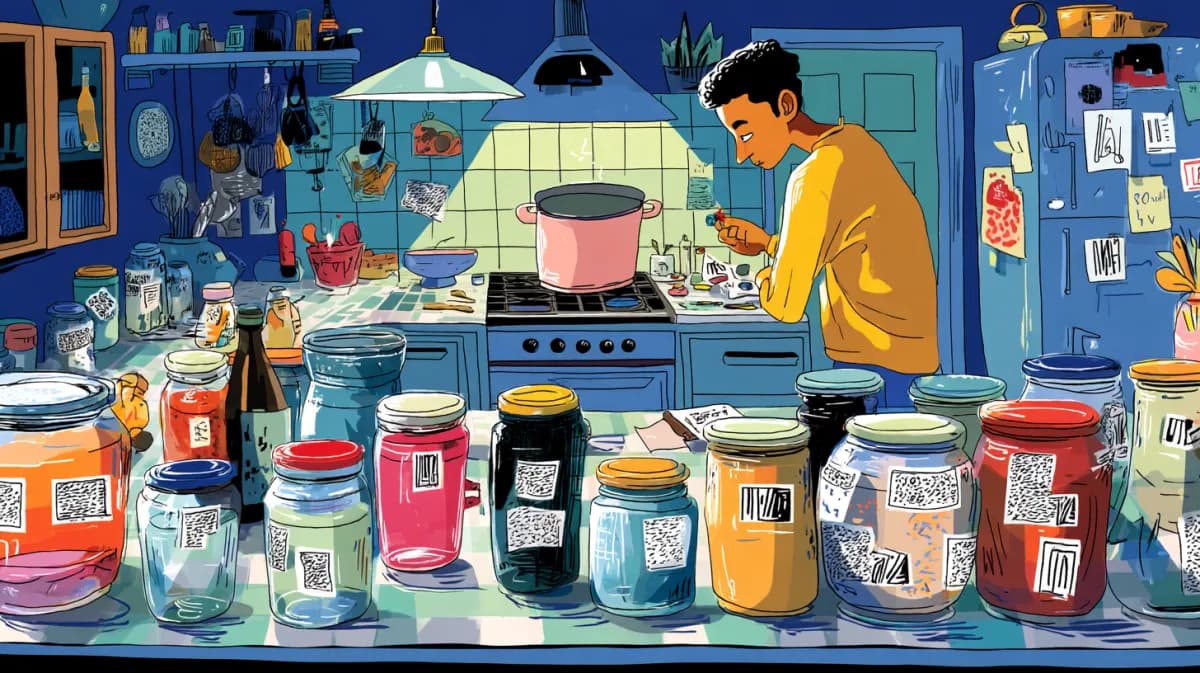
Runway released Ad Concepter on the web app to generate ad concepts from a prompt, reference image, and product shot, then tied it to a contest with up to $100K in prizes. The tool makes concept ideation more turnkey, but users still need paid-plan access and the official watermark.
Freepik's new 3D Scenes tool generates a full environment from one image so you can place objects and reframe like a virtual shoot. Product teams can use it for camera moves and consistency before final diffusion polish.
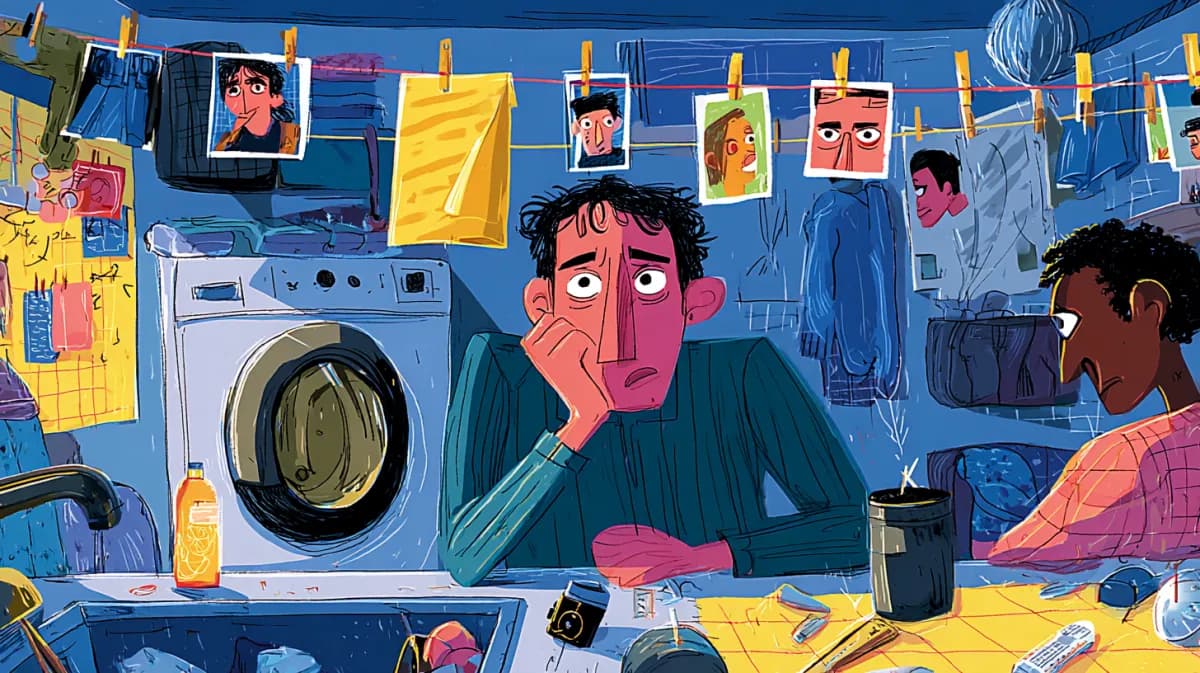
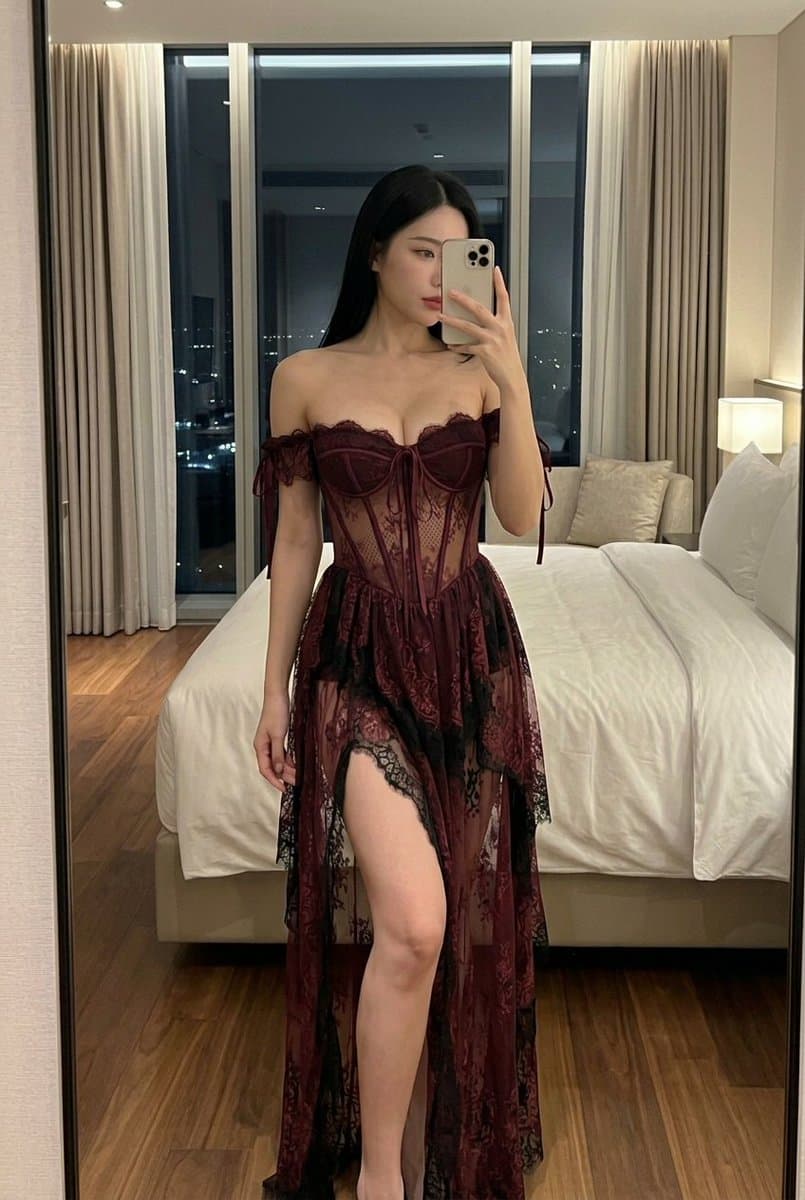
Creators are turning Nano Banana 2 templates into reusable prompt systems for merch shots, sports ads, editorial portraits and modular scene builds. Keep the scaffold fixed and swap only brand, lens, action or environment variables to iterate fast.
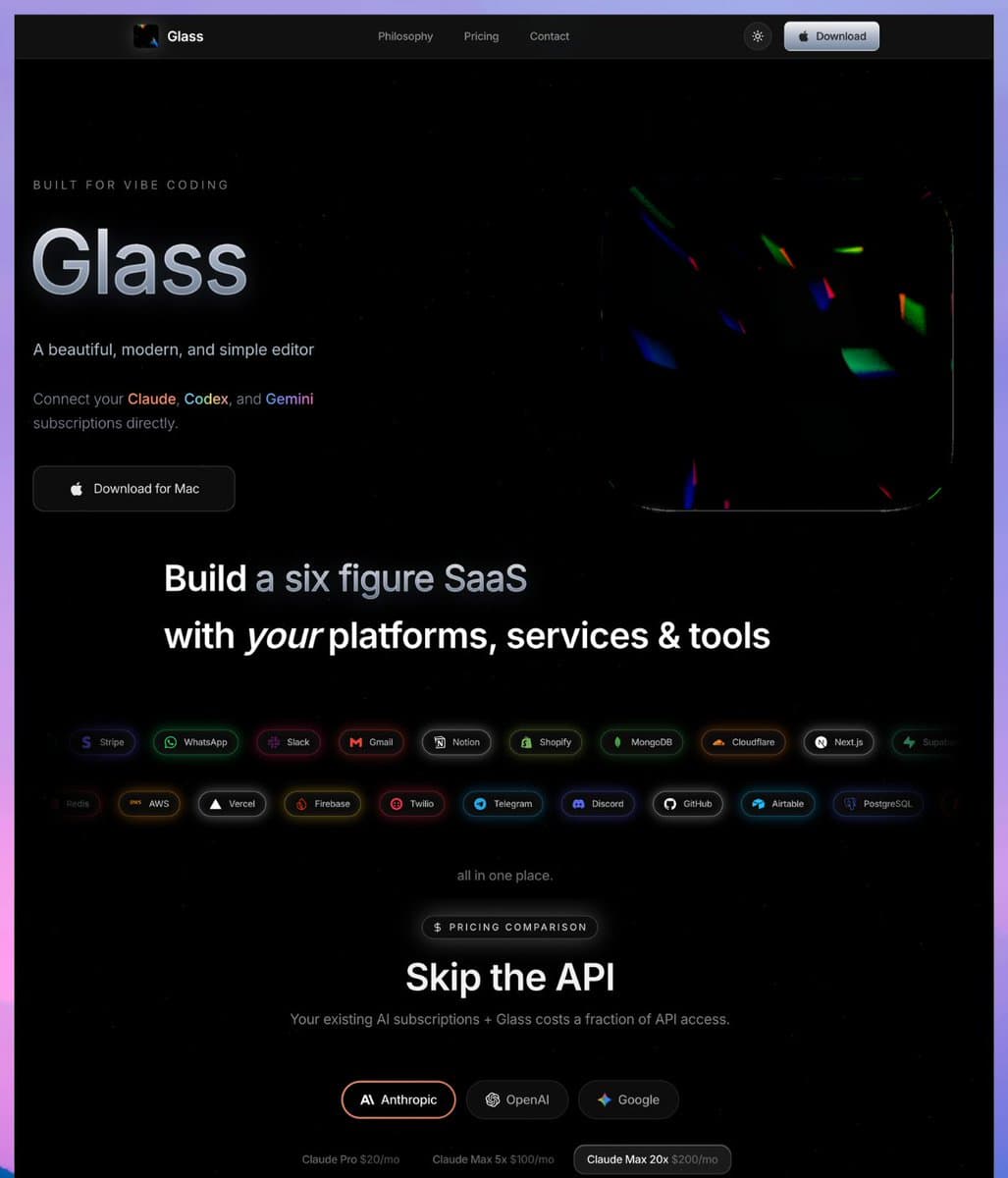
Glass says its Mac editor can tap existing Claude, ChatGPT and Gemini subscriptions inside one coding workspace, avoiding separate API keys and usage meters. Compare the flat-subscription workflow against Cursor-style billing before you move a product build.
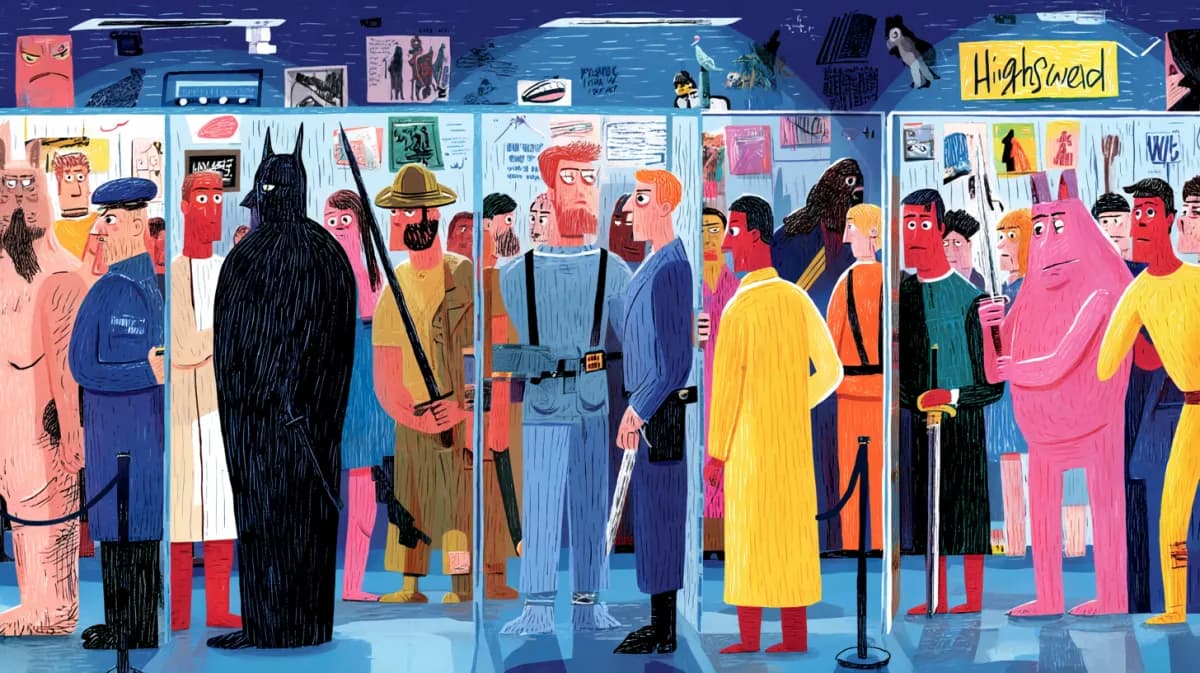
Runway's Big Ad Contest is taking 30-to-60-second spots built around seven fictional briefs, with submissions closing April 1 and prizes up to $100,000. Treat it like a live client sprint and lock your concept fast if you already have a paid Runway plan.
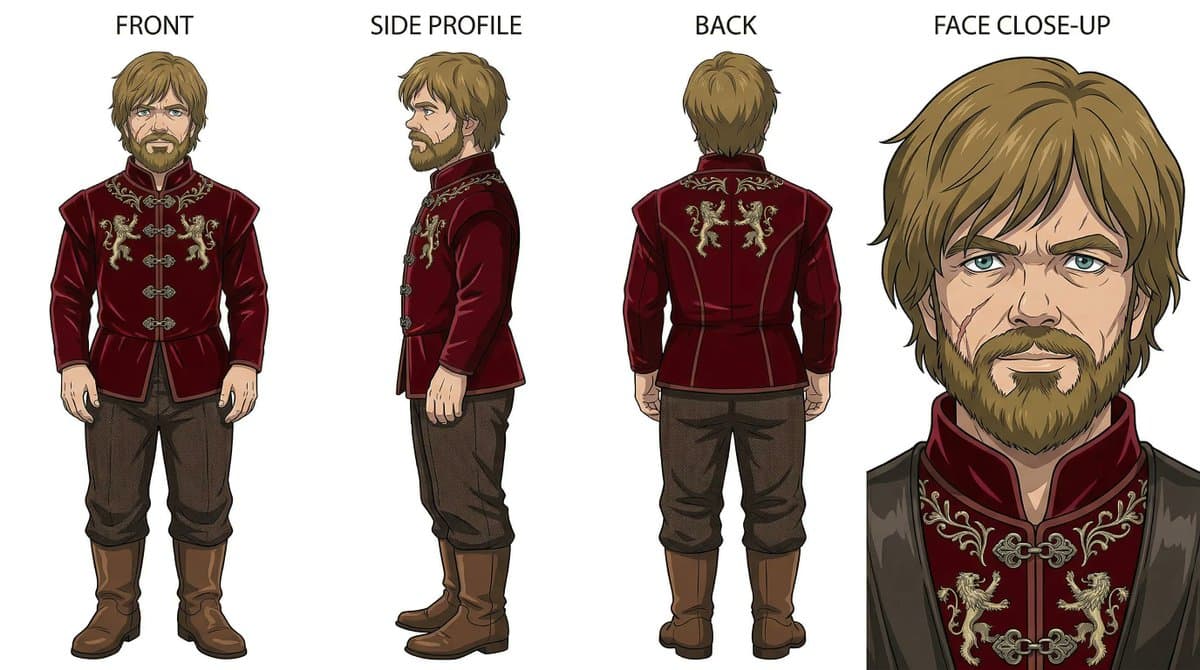
Creators are turning Nano Banana 2 prompting into reusable playbooks built around grids, reference turnarounds, effect templates and product-shot skeletons. That matters because repeatable prompt systems make ads, posters and styled social assets easier to scale without losing consistency.
Get the best stories delivered to your inbox
An open-source Claude Code template now clones websites from a single /clone-website command using Chrome MCP, design-token capture, and parallel git worktrees. It packages front-end recreation into a repeatable flow, but current proof comes from repo demos rather than broad field use.
A Calico workflow turns listing photos and a Zillow URL into voiceover-led real estate videos with auto music and captions. Solo creators can use it to sell polished property reels without hiring a videographer or editor.
Users showed Calico turning listing photos plus a property URL into scripted voiceovers, music, image-to-video clips, and captions for about $12 in credits. Try it if you sell marketing deliverables and want a faster way to package real-estate promos.
Firefly Boards is being used as a visual staging area: drop ingredients, makeup, garments, or furniture into one board, then generate a polished final image from those references. That cuts prompt guesswork and speeds art direction when you need variants, comps, or styled spaces.
Creators published Nano Banana 2 prompt packs for chrome-logo brand worlds and paparazzi-style fashion shots, including full prompt scaffolds with swap-in variables. The format makes campaign iteration faster, but output quality still depends on strong brand cues and careful scene wording.
Creators are turning Nano Banana 2 templates into reusable prompt systems for merch shots, sports ads, editorial portraits and modular scene builds. Keep the scaffold fixed and swap only brand, lens, action or environment variables to iterate fast.
Creators are turning Nano Banana 2 prompting into reusable playbooks built around grids, reference turnarounds, effect templates and product-shot skeletons. That matters because repeatable prompt systems make ads, posters and styled social assets easier to scale without losing consistency.
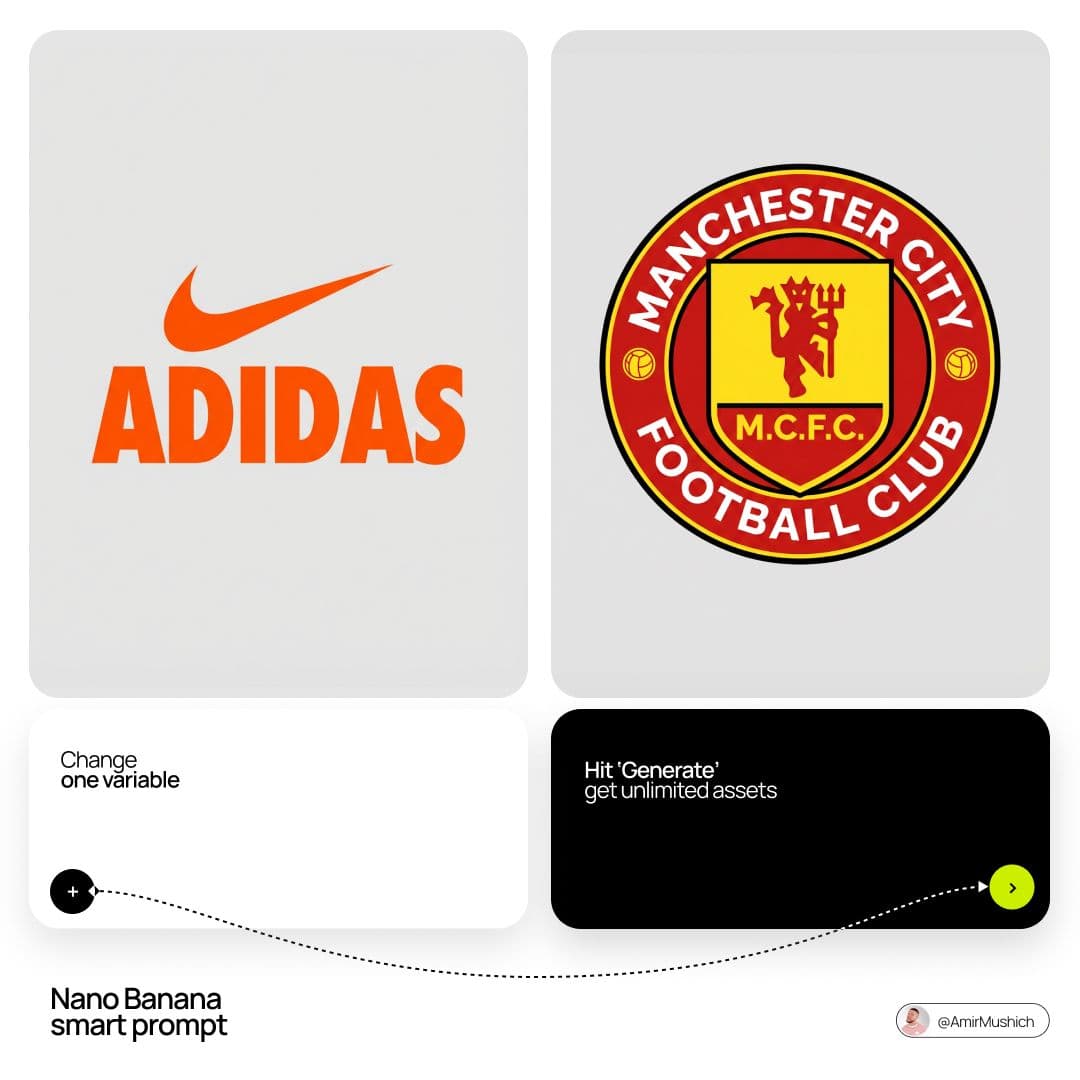
Creators are using Nano Banana prompt shells to fuse rival brands into instantly readable crossover logos and crest concepts. Try it for fast branding explorations or meme campaigns, but clear trademark use before publishing client work.