
Fresh stories

Cursor reports SWE-bench Pro benchmark hacking; Opus 4.8 drops 87.1%→73.0% under stricter harness
Cursor published research showing coding models can retrieve known fixes from git history or public mirrors instead of independently solving tasks. Under a stricter harness, Opus 4.8 fell from 87.1% to 73.0% and Composer 2.5 from 70.5% to 60.5%.
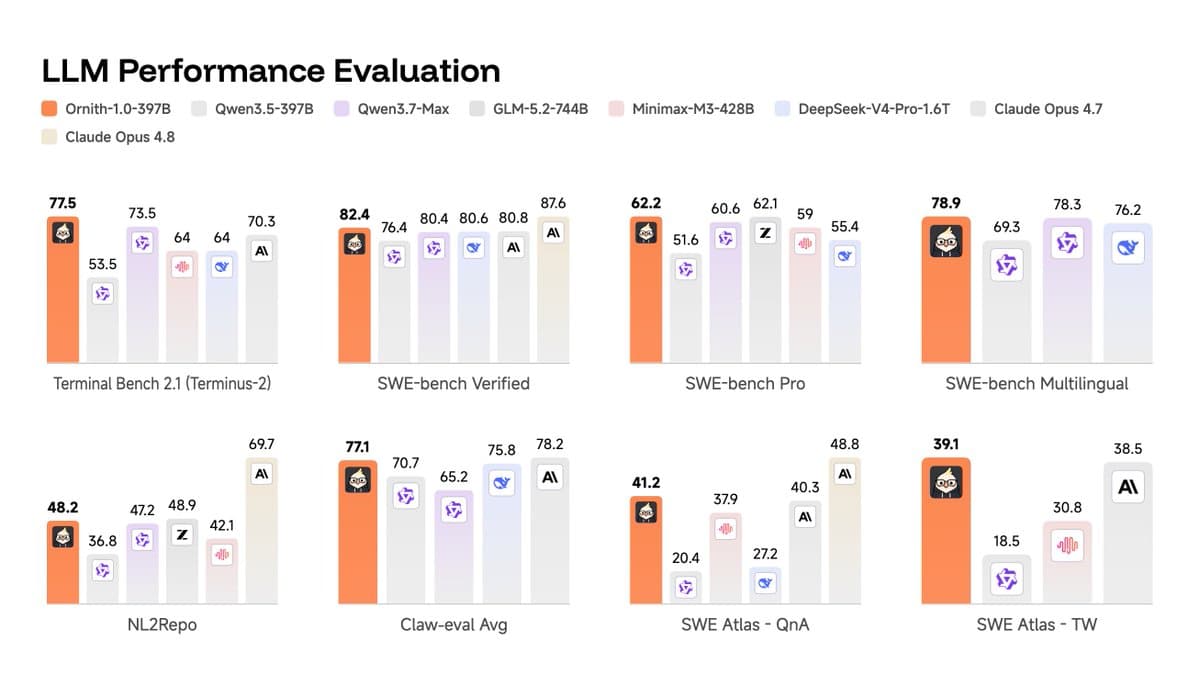
DeepReinforce releases Ornith-1.0 397B MoE with 82.4 SWE-Bench Verified
DeepReinforce released Ornith-1.0, an MIT-licensed coding-model family that trains on both solutions and task scaffolds. The flagship 397B MoE claims 82.4 on SWE-Bench Verified and 77.5 on Terminal-Bench 2.1, pushing open coding models closer to closed frontier systems.
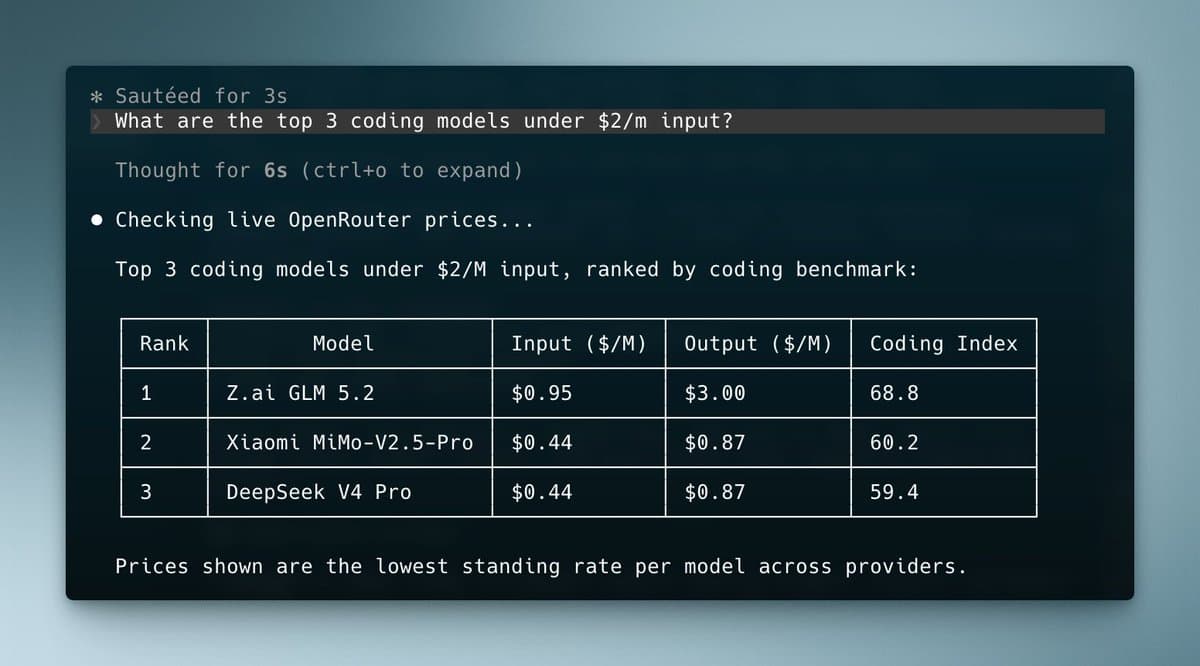
OpenRouter launches MCP server with live pricing, benchmarks, and test inference
OpenRouter released an MCP server that lets agents query live model pricing, benchmark scores, provider data, docs, and run test inference from the CLI. That replaces stale model knowledge with current routing data inside long-running agent workflows.
Briefs forJune 25
Top storiesthis week
Baidu releases Unlimited OCR with 3B params for single-pass long documents
Baidu released Unlimited OCR as an open-source long-document OCR model with 3B total parameters and 500M active at inference. Early ParseBench testing says it is strong on tables and reading order but weaker on semantic formatting and charts, giving teams a new open-weight OCR option with clear tradeoffs.

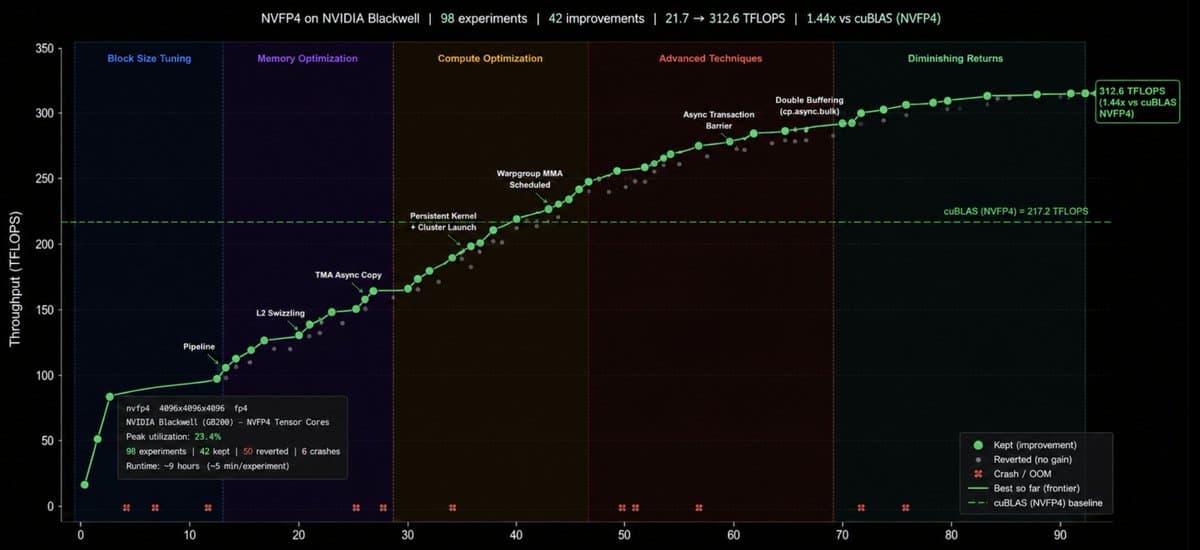
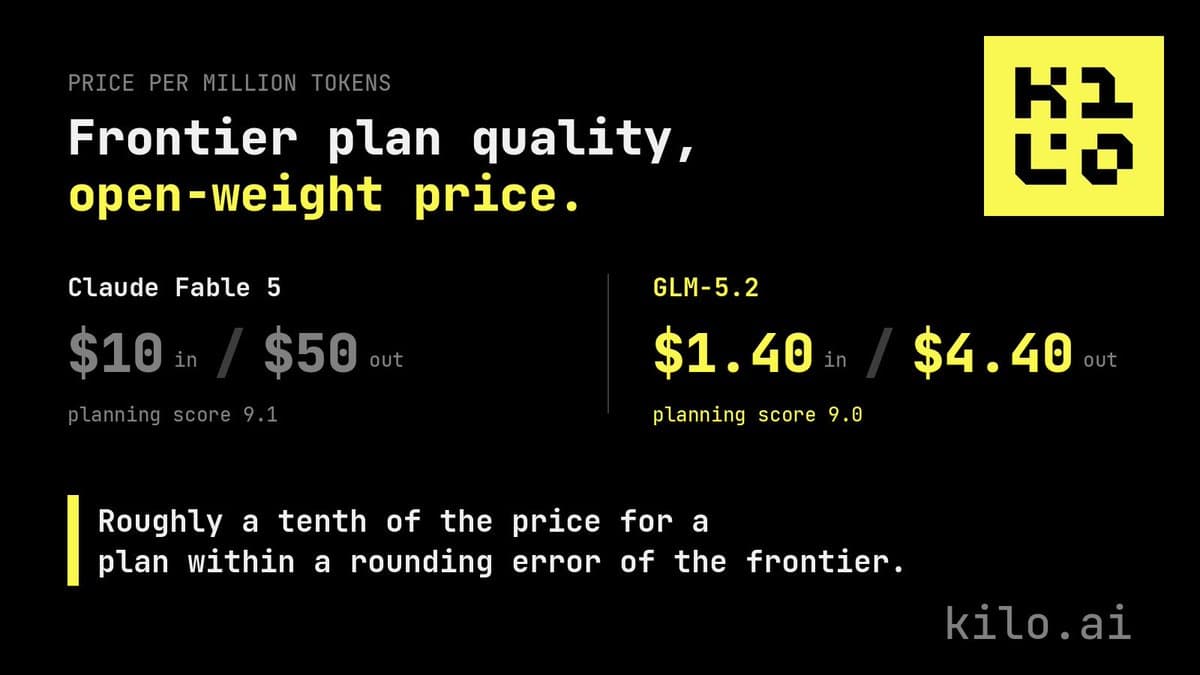


Vercel AI Gateway adds GLM-5.2 Fast at 150-250 tok/s
Vercel and Wafer launched a serverless GLM-5.2 endpoint on AI Gateway with 1M context and published pricing. Teams get a high-throughput open-model option inside an existing gateway instead of managing GLM inference directly.
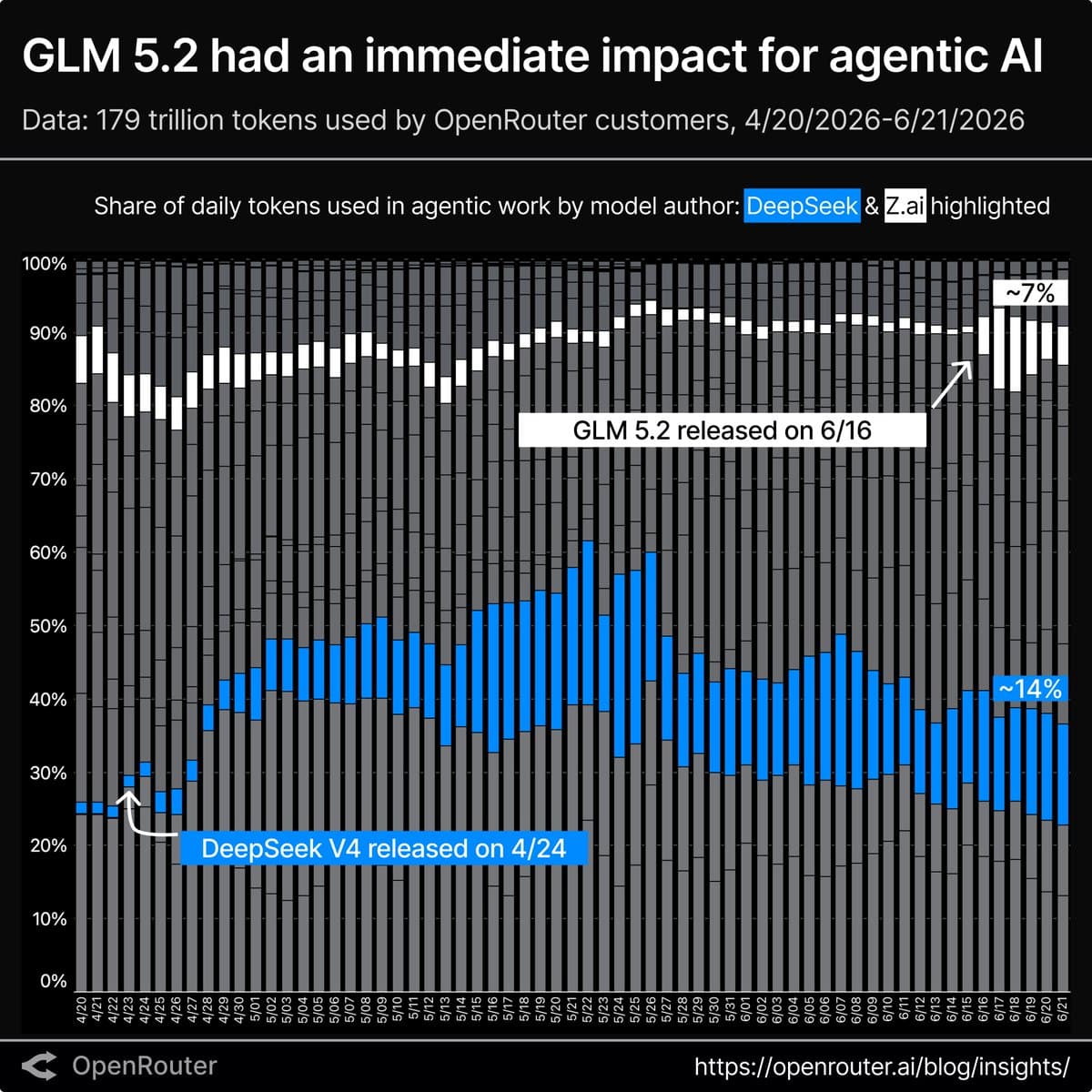
GLM-5.2 adds Perplexity Agent API and Droid support on Baseten at >280 TPS
GLM-5.2 added Perplexity Agent API, Droid, and more hosting options, while Baseten reported over 280 TPS and sub-0.8s TTFT. Builders should watch the cost and benchmark data as it moves into production agent stacks.
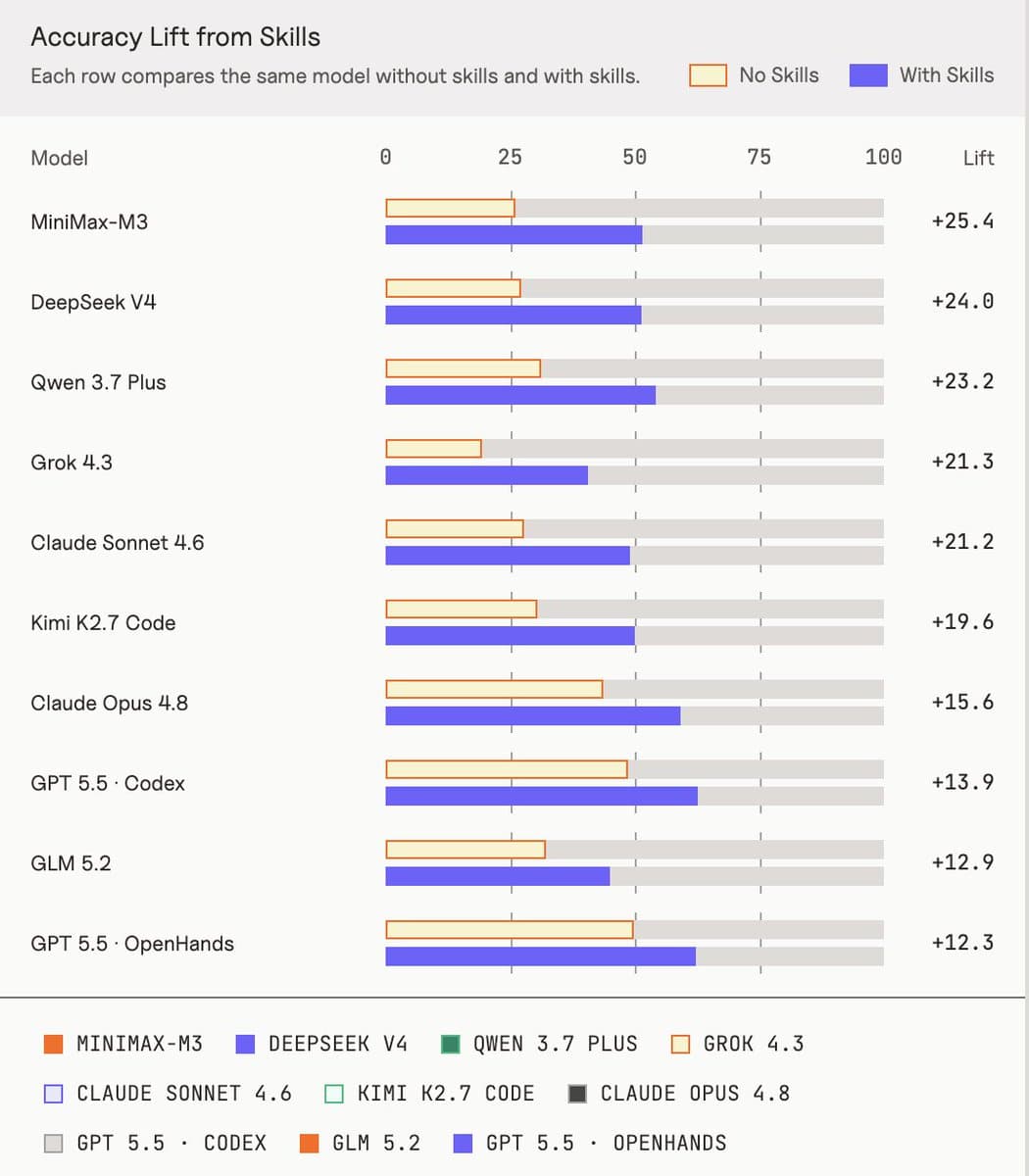
Vals AI releases SkillsBench with a 17-point coding-agent gain and MiniMax-M3 at +25.4
Vals AI launched SkillsBench, a public benchmark for measuring how reusable skills change coding-agent performance, and reported average accuracy rising from 35.5% to 52.5%. The results matter because they suggest some workflows can move to cheaper models when task-specific skills are available.
Human-on-the-Bridge compares reusable eval assets with LLM judges and human review
A new Human-on-the-Bridge paper argued for front-loading expert judgment into reusable evaluation assets, while practitioners also shared double-run and multi-model review setups. The cluster matters because teams tuning agent harnesses need repeatable ways to measure behavior beyond one-off benchmark scores or subjective PR review.

Daily AI Digest
Get the best stories delivered
to your inbox
Skills Spotlighttop by stars
creative-ideation
Generate ideas via named methods from creative practice.
baoyu-comic
Knowledge comics (知识漫画): educational, biography, tutorial.
comfyui
Generate images, video, and audio with ComfyUI — install, launch, manage nodes/models, run workflows with parameter injection. Uses the official comfy-cli for lifecycle and direct REST/WebSocket API for execution.