
Claude Code limits concurrent work as users report weeklong waits and missing desktop threads
Users report stricter Claude Code request caps, weeklong cooldowns, and desktop threads disappearing after restarts. Watch quotas closely and shift to lighter models or token-cutting workflows around /context and /clear if the limits hit your workflow.
TL;DR
- Multiple Claude Code users reported much tighter limits on March 29, including hitting daily or weekly caps after light use, and one screenshot showed a Codex-style reset date nearly a week out weeklong cooldown screenshot concurrent agents complaint.
- The sharpest complaint was not just total usage, but request caps that made concurrent agent workflows feel penalized, especially for people running swarms or frequent check-ins concurrent agents complaint.
- Anthropic's own docs already frame Claude Code around token-sensitive workflows, with guidance on context management, model selection, status-line monitoring, and separate docs for experimental agent teams /context token audit.
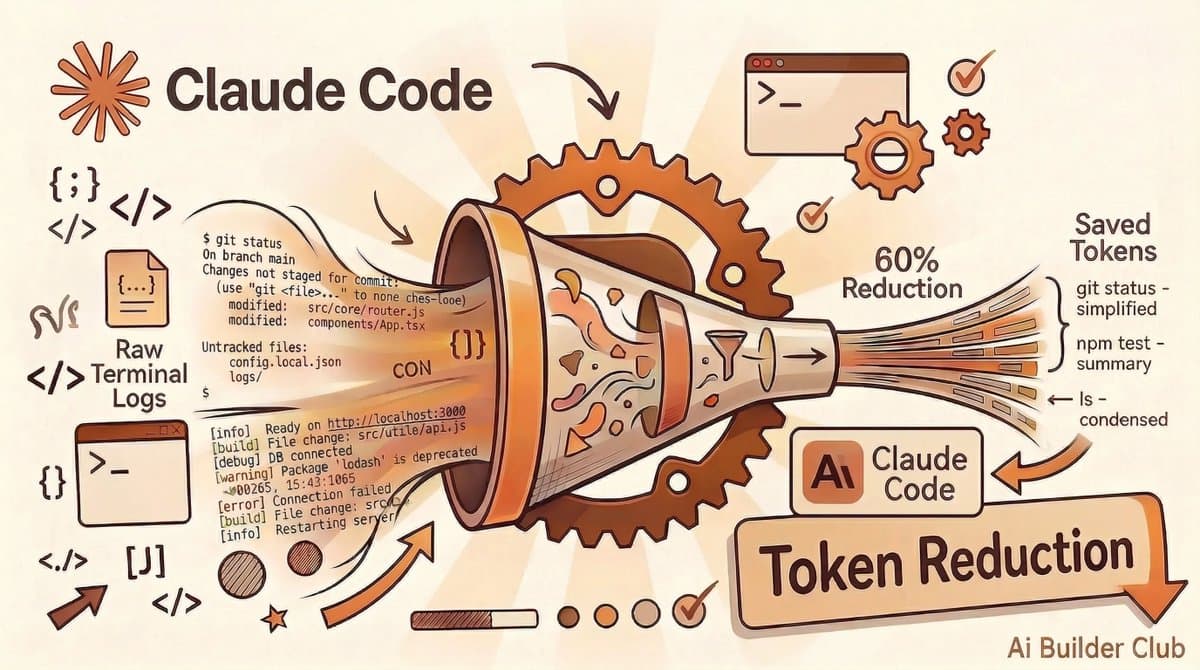
- User workarounds clustered around the same pressure points Anthropic documents: trim persistent context, clear sessions, avoid expensive models when they are not needed, and compress noisy logs before they hit the prompt context management tips Opus and Ultrathink warning RTK workflow.
You can trace the official cost story through Anthropic's docs on cost management, best practices, status lines, and experimental agent teams. The weirder part is how closely that advice sits next to same-day bug reports on GitHub, including aggressive limit complaints, a new-session usage-limit report, and a Windows desktop bug where user messages vanished from history after the assistant finished responding weeklong cooldown screenshot.
Limit resets
The March 29 complaints describe something harsher than the usual "you used a lot of tokens" story. One user posted a reset date on April 3, almost a week away, while another said the problem was requests per minute, not just aggregate usage, and that concurrent agents were what got punished first.
The GitHub issue queue showed the same pattern that day. In one report, a user said they hit a five-hour daily limit repeatedly despite light recent usage, with a quarter of their weekly limit gone after roughly four hours of work. Another said a new Claude Pro account hit a usage limit after seven minutes in a fresh session.
Agent teams
Anthropic's own docs make the concurrency angle hard to ignore. The agent teams page describes "multiple Claude Code instances working together as a team," with a lead session coordinating teammates across separate contexts.
That is almost the exact workflow users say got hit. One March 29 complaint described Claude Code as effectively unusable for a swarm setup that checked in on multiple agents every few minutes, and contrasted it with features the user missed elsewhere:
- searchable project message history
- built-in looping or cron-style check-ins
- pre-tool hooks for command guards
Those missing features matter here because they are the mechanics that make a multi-agent terminal workflow cheap to supervise.
Context overhead
The strongest user-side mitigation thread started with /context, which breaks down what is already occupying the prompt before any coding starts. One user said unused MCP servers and extra skills consumed 35 percent of context before work began, then fell to 10 percent after they trimmed them.
That lines up with Anthropic's own documentation. The best practices page warns that performance degrades as the context window fills, while the status line docs explicitly pitch a bottom-bar script for tracking context usage and session cost in real time. The cost guide says average usage stays below $12 per developer per day for 90 percent of users, but also notes wide variance depending on how many instances are running.
The thread's concrete token cuts were straightforward:
- keep
CLAUDE.mdshort, because it loads into every session context management tips - start a new session or clear the old one when the topic changes context management tips
- save Opus and deep thinking modes for architecture-heavy work Opus and Ultrathink warning
- preprocess raw logs instead of pasting them directly into the model RTK workflow
Desktop history bugs
The other same-day failure mode was the desktop client itself. One user said Code-mode threads on Windows kept disappearing after app restarts even though the threads still seemed to exist underneath.
A matching GitHub bug from March 29 reported that user messages in the Claude Code desktop app intermittently vanished from chat history after the assistant response finished rendering. During generation the message was visible, then it disappeared, leaving two assistant replies stacked together. That issue was closed as a duplicate, which suggests the report was not isolated.
Between the cooldown complaints and the history bugs, March 29 looked less like one quota edge case and more like a rough day for the people using Claude Code as a persistent, multi-session workstation.