
Claude Code resets 5-hour and weekly limits after Opus 4.8 parallel-tool bug
A day after users reported runaway Claude Code usage, Anthropic reset five-hour and weekly quotas and said an Opus 4.8 handling issue was spawning more parallel tool calls than intended. The fix matters because it turns a token-burn complaint into an acknowledged product bug with restored quotas for affected Pro and Max users.
TL;DR
- Anthropic said in ClaudeDevs' reset announcement that it reset both 5-hour and weekly quotas for all Pro and Max users after a Claude Code bug burned usage faster than expected.
- In ClaudeDevs' follow-up, the company tied the problem to how Opus 4.8 requests were handled, saying the model triggered more parallel tool calls than intended and that the bug was unrelated to dynamic workflows.
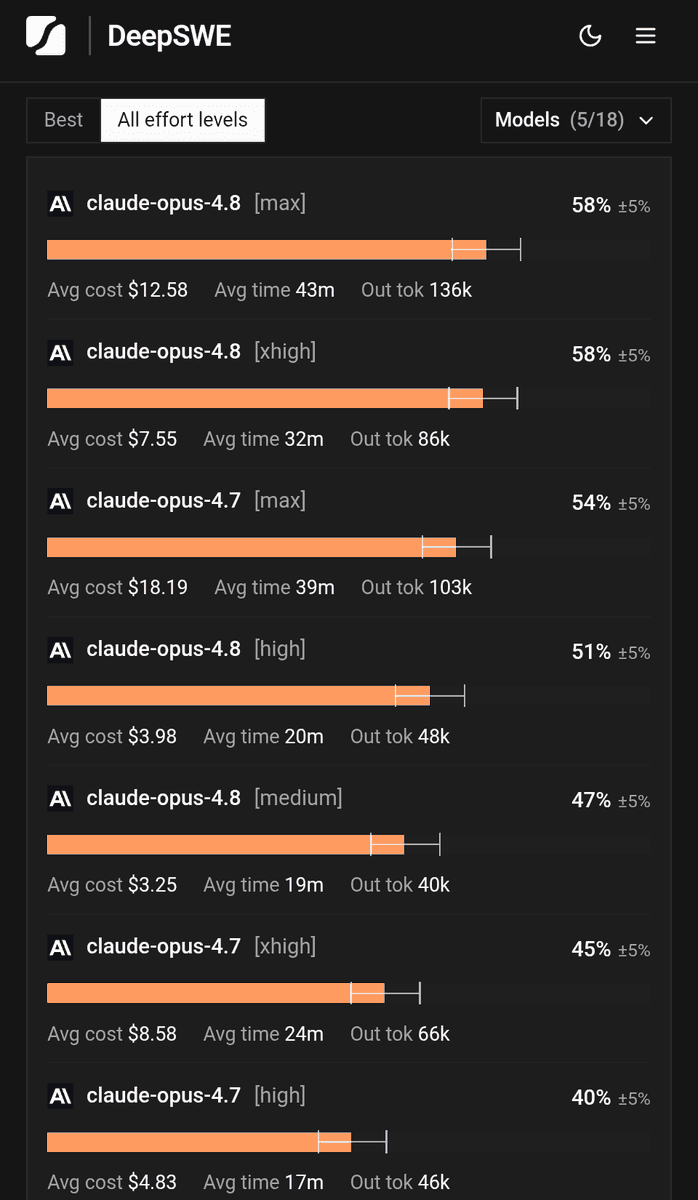
- User complaints had already converged on runaway usage, with haider1's post saying tokens disappeared roughly 4.8x faster and koltregaskes' comparison reporting higher output-token burn and slower runs than 4.7.
- The weird part is that Opus 4.8 shipped days earlier with Anthropic's launch post touting dynamic workflows that can run hundreds of parallel subagents, while Anthropic now says the quota-draining bug came from ordinary Opus 4.8 request handling, not that new workflow system ClaudeDevs' clarification.
You can read Anthropic's Opus 4.8 launch post, the Claude Code workflows docs, and Anthropic's earlier usage-limit update. The community trail is messier: Hacker News commenters were already logging regression reports and API breakage, and the public GitHub issue on duplicated parallel fan-out describes a 6-agent batch silently turning into 24.
Quota reset
Anthropic's public remedy was unusually direct. According to ClaudeDevs' announcement, the company not only shipped a fix but also reset both the rolling 5-hour limit and the weekly cap for Pro and Max subscribers.
That matters because Claude Code's limits are shared with Claude usage more broadly, per Anthropic's Pro and Max help page. The reset came less than a month after Anthropic said it was doubling Claude Code's five-hour limits and raising weekly limits.
Parallel fan-out
Anthropic's explanation was narrow: in its follow-up post, ClaudeDevs said Opus 4.8 requests were triggering more parallel tool calls than intended, and explicitly said the issue was unrelated to dynamic workflows.
That lines up with what users were seeing in the wild. In PerceptualPeak's report, failed tool calls were followed by hallucinated results, while the fresh HN discussion summarized a wave of complaints about regressions in tool-driven workflows and errors around thinking and redacted_thinking blocks.
A public GitHub issue on duplicated parallel fan-out gives the cleanest mechanical description: one intended batch of six parallel subagents was re-emitted until it became 24, with each duplicate execution burning more tokens.
Dynamic workflows
Anthropic's Opus 4.8 launch post introduced dynamic workflows as a research-preview Claude Code feature that can plan work and run hundreds of parallel subagents in one session. The separate workflows docs say the feature uses a JavaScript orchestration script, requires Claude Code v2.1.154 or later, and is meant for codebase audits, large migrations, and cross-checked research.
That backdrop explains why users initially blamed the new orchestration stack for the sudden quota burn. Anthropic's own clarification cuts the other way: the over-parallelization bug sat in Opus 4.8 request handling, not in the headline feature that had just shipped.