
OpenClaw 2026.6.1 adds native Windows node host, Skill Workshop, and Workboard orchestration
OpenClaw 2026.6.1 added a native Windows node host, a Skill Workshop for reviewable agent-learned skills, and Workboard orchestration. The update extends OpenClaw beyond Unix-heavy setups and moves more agent management into built-in tools.
TL;DR
- openclaw's release post says OpenClaw 2026.6.1 shipped four headline changes at once: a native Windows node host, Skill Workshop, Workboard orchestration, and MiniMax M3 support.
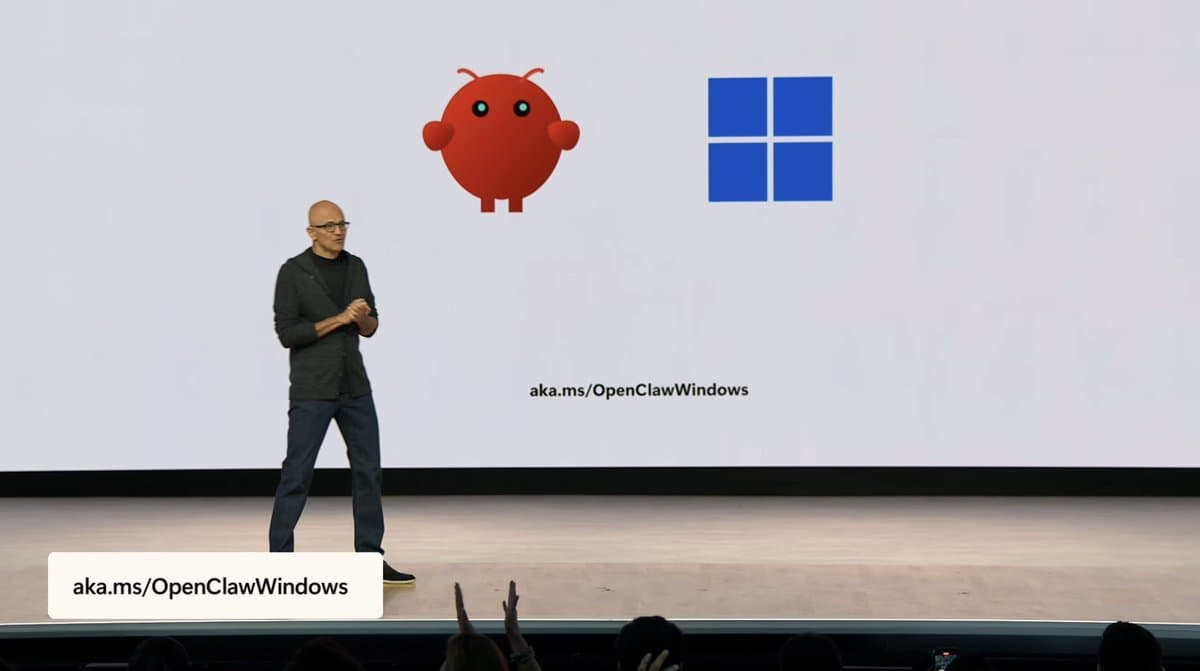
- The Windows push started a day earlier, when openclaw's Microsoft announcement tied OpenClaw to Microsoft's new agent security stack, while the Windows security post said Windows will discover and manage local OpenClaw agents and apply policy guardrails.
- According to openclaw's Skill Workshop post, repeated agent work now becomes a reviewable proposal instead of a silent edit to future behavior, and the Skill Workshop docs show apply is the only step that writes a live skill.
- vincent_koc's post framed Workboard as the long-requested native Kanban, and the Workboard plugin docs say each card can track an agent assignment, background task, run ID, and dashboard session from one place.
- openclaw's MiniMax note adds that MiniMax M3 is now the default MiniMax model, while the provider docs show that integration now spans chat, image understanding, image and video generation, music, speech, and web search.
You can read the full 2026.6.1 release notes, browse the new Skill Workshop blog post, inspect the Workboard docs, and see how Microsoft is framing agent containment in its Windows security announcement. The oddest part is that OpenClaw's "Windows joins the cluster" release landed right after Microsoft Build made OpenClaw the demo case for Windows agent security.
Windows node host
The Windows piece is bigger than a platform checkbox. Microsoft's Build 2026 Windows developer post introduced Microsoft Execution Containers as a policy-driven execution layer for agents, and the MXC repo describes it as a sandboxed code execution system with multiple containment backends.
That lines up with OpenClaw's own framing. openclaw said enterprises can now run it "inside your company," and the 2026.6.1 release notes add the concrete shipping detail the Build posts did not: a native Windows node host.
Skill Workshop
Skill Workshop turns agent learning into a proposal queue.
The blog post says new or revised skills start as PROPOSAL.md, with templates, scripts, examples, and revision history attached for review. The plugin docs add the state machine: pending, applied, rejected, or quarantined, plus an approvalPolicy that can stay review-first or auto-apply only when scanner checks pass.
That makes the feature less "self-improving agent" theater and more governed behavior packaging. vincent_koc described it more plainly as native skill creation.
Workboard
Workboard is OpenClaw's built-in Kanban, but the docs keep the scope intentionally narrow: local operating work for one Gateway, not a Jira replacement.
The useful detail is how tightly it is wired into runtime state. A card can hold the assigned agent, linked background task, run ID, and dashboard session; unlinked cards can also dispatch autonomous work, then backfill those identifiers onto the card when the run starts.
MiniMax and channels
OpenClaw also used the release to widen the default stack around the core orchestration features. The MiniMax docs show M3 now fronts a provider family that includes vision, image generation, video generation, music, speech, and web search, with both API-key and OAuth paths.
Separately, the release notes and channel docs point to a long stability pass across Telegram, WhatsApp, iMessage, Slack, Discord, Teams, Google Chat, Meet, QQBot, iOS push, and realtime Talk. For a release sold on Windows and agent workflows, OpenClaw also slipped in a broad transport cleanup.