
Claire Silver opens Mary's Room with a 5-day AI diary installation and 400 feet of plotter output
Claire Silver detailed an installation where Mary writes and sketches continuously for five days, with audience inputs routed through live feeds and a modified Edwardian telephone. It shows one way to turn AI art into a physical, durational experience instead of a single screen-based image.
TL;DR
- Claire Silver's installation thread frames Mary's Room as a five-day durational work in which Mary writes and sketches continuously, turning an AI character into an ongoing performance rather than a one-off image.
- In Silver's Basel details, audience interaction is part of the piece: live feeds distort reality around Mary, and a modified Edwardian telephone writes visitors' words into her journal.
- The edition post says the Art Basel presentation includes a 1/1 screen recording of all five days, a handmade driftwood frame, laser-cut brass derived from an AI image, a plotter, and 400 feet of Mary's printed thoughts and drawings.
How the installation works
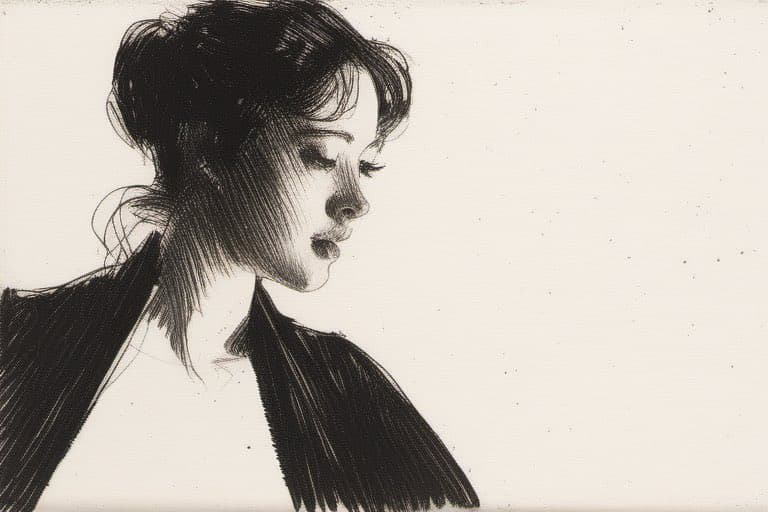
Silver describes Mary as a figure who "doesn't know who she is" and spends five uninterrupted days writing and sketching through a memoryscape of qualia, with each output printed onto rolled paper as the work unfolds installation thread. That makes the system's text-and-image generation visible as duration, accumulation, and objecthood instead of keeping it trapped on a monitor.
The physical build is unusually specific. According to Silver's Basel details, the installation combines live video feeds, the retrofitted Edwardian telephone, a plotter, and a long paper trail of Mary's diary. Her project site adds the philosophical frame: the piece borrows from the thought experiment about whether knowing everything about perception is the same as experiencing it.
Why it matters for AI art
The interesting move here is not a new model release but a production pattern. Silver turns AI output into a staged environment with props, interfaces, and a timed run, so the creative act becomes something audiences can haunt and influence rather than just view Basel details.
That approach also gives collectors more than a file. The edition post lists both a 1/1 installation object and editions with digital and print components, showing one route for creators who want AI work to live as sculpture, performance, and archival artifact at once.