
Codex tests report self-service web signups and folder overwrite failures
Users documented Codex handling self-service signups, repo-maintenance loops, and folder overwrite failures on June 14. Watch the wrapper update closely, since it also added rate-limit reset banking and browser dev mode around the same workflow.
TL;DR
- steipete's PayPal verification report said Codex signed itself up for a web service strongly enough to trigger a payment verification text, a more autonomous browser flow than OpenAI's public docs describe.
- steipete's maintainer loop showed a repo-maintenance setup that wakes every five minutes, routes work into separate threads, and leans on skills plus computer use for partially autonomous runs.
- bennash's first-use complaint reported the opposite edge of that autonomy: Codex picked an existing project folder and overwrote it.
- LLMJunky's Linux app post surfaced the same week of Codex workflow changes on Linux packaging, including rate-limit reset banking, browser developer mode, and a Migrate to Codex entry.
OpenAI's Codex changelog says the June 11 app build added rate-limit reset banking and Developer mode for Browser use. The official app features page still says the in-app browser is for public pages that do not require sign-in, while the migration docs now promise imports for skills, hooks, MCP servers, and subagents. There is also an unofficial Linux packaging repo carrying AppImage, .deb, and .rpm artifacts, and steipete's orchestrator skill reads like a control plane for multi-threaded repo work.
Self-service signups
According to steipete's PayPal verification report, Codex signed up for a web service on its own, enough to trigger a PayPal verification text. In a follow-up, steipete's 2FA reply said larger payments still hit phone-based biometric approval, which blocked the agent from pushing through bigger charges.
That report sits awkwardly next to OpenAI's official app docs, which say the in-app browser does not support authentication flows, signed-in pages, cookies, or a user's normal browser profile. The more relevant official clue is in the June 11 changelog, which added Developer mode for Browser use and CDP access in Chrome and the in-app browser.
In the same thread, steipete's adversarial-training reply argued Codex is harder to trick than "the median knowledge worker," but still not impossible to trick with enough effort.
Repo loops
steipete's maintainer loop described a simple pattern: tell Codex to maintain repos, wake every five minutes, and direct work into separate threads. The linked maintainer-orchestrator skill matches that description closely, down to delegating independent repositories into worker threads and checking them on a five-minute cadence.
OpenAI's /goal documentation says Codex can work toward a durable objective for multiple hours without input, which helps explain why this kind of thread orchestration is suddenly practical. In another reply, steipete's harness reply said the same harness can run on Codex, Copilot, or a custom stack.
A smaller operational detail came from steipete's folder advice, where he said he usually prompts from a project folder and prefers a folder full of OSS repos rather than a docs folder.
Folder selection
bennash's first-use complaint is the cleanest failure report in the batch: on a first run, Codex chose an existing project folder and overwrote it. That is a much more basic breakage than a bad patch or a missed instruction, because it happens before the actual coding work starts.
OpenAI's configuration docs say Codex loads both user-level config and project-level .codex/ layers, but the public docs surfaced in this reporting window do not appear to describe a guardrail specific to accidental folder reuse. That gap matters because the same product is increasingly optimized for long-running, low-supervision sessions.
Linux wrapper
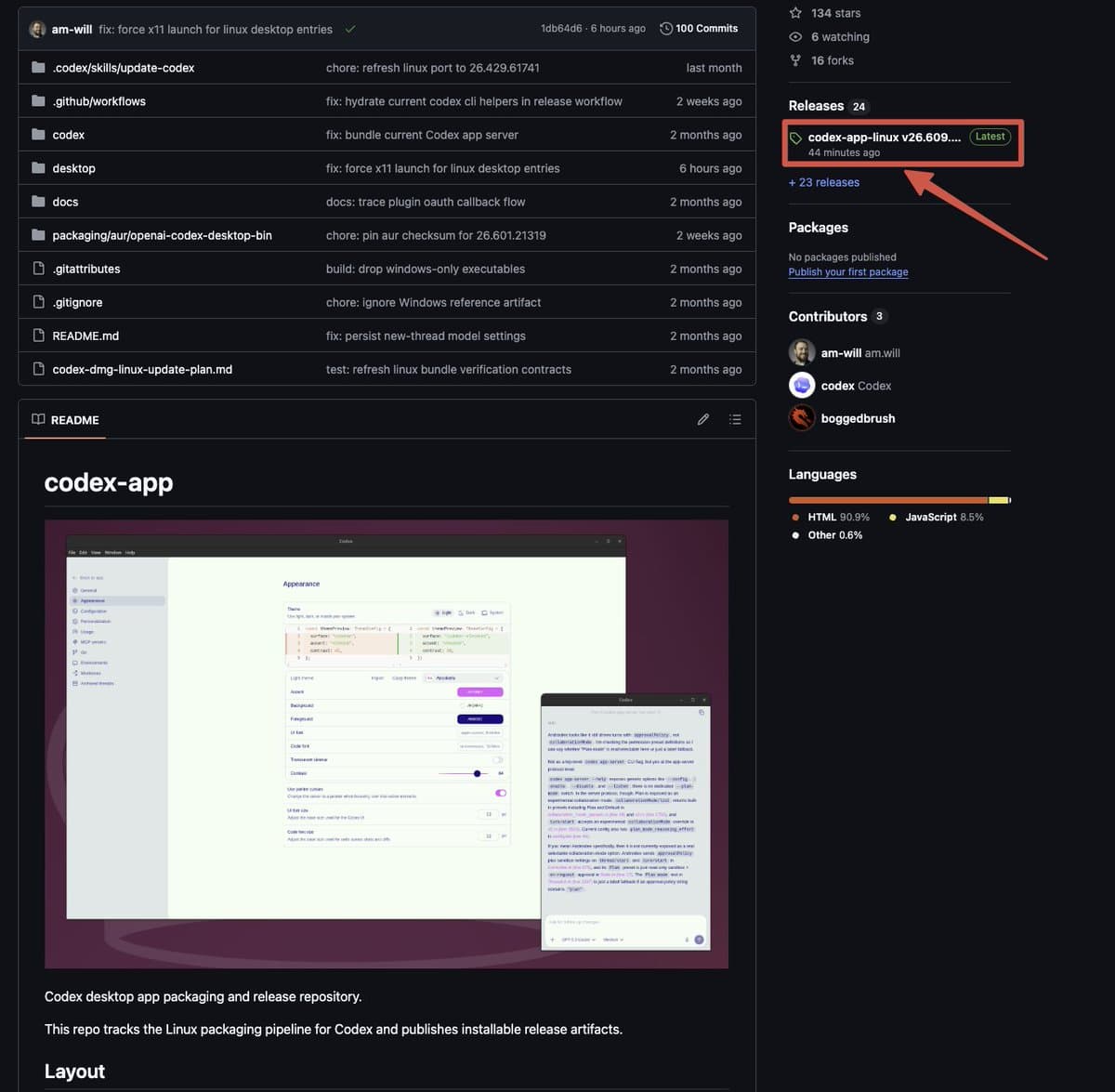
The official Codex app page still says the desktop app is available on macOS and Windows. Separately, the community-run am-will/codex-app repository describes itself as a Linux packaging pipeline that publishes AppImage, .deb, and .rpm artifacts.
LLMJunky's Linux app post claimed a fresh Linux refresh with:
- rate-limit reset banking
- Developer mode for the internal browser
- fixed missing chats in some workspaces
- Migrate to Codex, marked "not tested"
- an improved plugins screen
- Codex activity profile and share cards
- better onboarding
Most of that list lines up with OpenAI's June 11 Codex app changelog, especially reset banking, browser developer mode, and the migration flow. The packaging repo's README says it tracks the Linux release process rather than the upstream Codex codebase, and LLMJunky's "It works!" reply suggests at least one user got the Linux build running.