
FlovaAI releases 1.0 with script-to-final-cut video workflow and reusable Skills
FlovaAI 1.0 was presented as a single workspace for script, storyboard, shots, audio, and final assembly, with editable scenes and reusable Skills. Use it if you want a full video pipeline in one place, from references to a finished short.
TL;DR
- FlovaAI 1.0 was presented by hasantoxr's launch thread as a single workspace that runs script, storyboard, shot generation, music, and final assembly in one flow.
- According to hasantoxr's editing walkthrough, scenes stay editable after generation, with controls for redoing shots, changing angle, and adjusting pacing.
- hasantoxr's Skills post framed Flova Skills as reusable creative workflows that save preferences for styles like movie trailers, anime, commercials, and sound design.
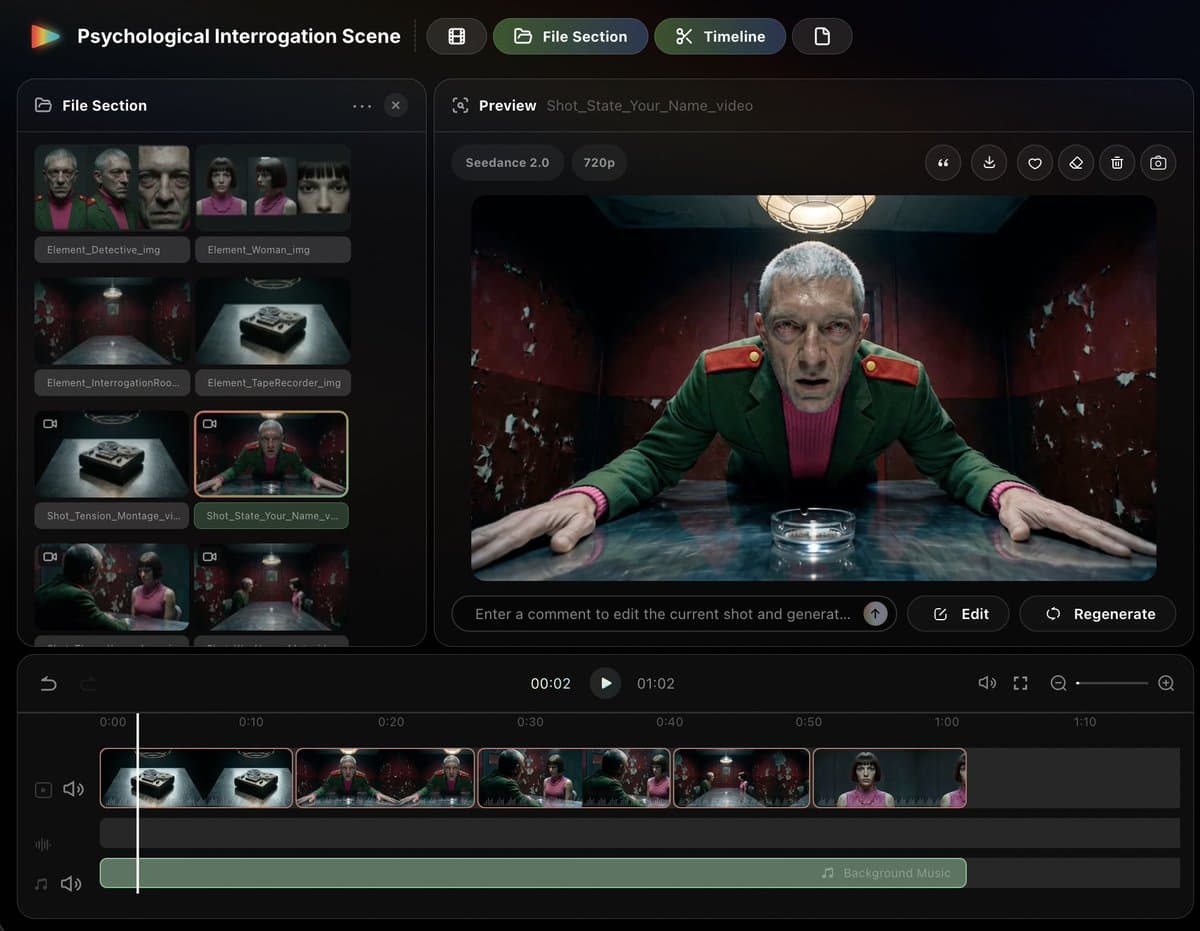
- In a hands-on creator test, egeberkina's short film demo and egeberkina's workflow breakdown showed Flova splitting one project into spec, storyboard, character refs, prop refs, shot videos, audio, and final assembly.
- egeberkina's consistency-assets post said the project used Seedance 2.0 inside Flova, with generated character and prop sheets created before the five-shot sequence.
You can open Flova here, watch hasantoxr's end-to-end demo, and then jump to egeberkina's one-minute interrogation short to see what the workflow looks like in practice. The interesting bit is not raw generation quality alone. egeberkina's stage list shows the product turning a film brief into a sequenced production pipeline, while the follow-up suggests model choice can sit inside that pipeline rather than define the whole workflow.
One workspace from script to final cut
FlovaAI 1.0 was pitched as an all-in-one video workspace, not a single generation model. The launch thread lists the chain as script, storyboard, shots, music, and final cut, with hasantoxr's input-formats post adding that a project can start from text, an image, music, or an existing video.
That framing lands because the input list is concrete:
- Image to video
- Text to full video
- Music to story
- Existing video to remake or re-edit
Review gates at every stage
The clearest product choice in the thread is editability. hasantoxr's editing walkthrough says every scene can be redone or adjusted for angle and pacing, while egeberkina's workflow breakdown says the agent pauses for review at each stage.
That gives the workflow a visible structure instead of a one-shot prompt box:
- Spec
- Storyboard
- Character references
- Prop references
- Shot videos
- Audio
- Final assembly
Skills as reusable workflows
Flova's "Skills" are described as reusable creative capabilities the agent learns from a creator's workflow. hasantoxr's Skills post names cinematic shots, movie trailers, commercial style, anime, and sound design as examples, and says those preferences are saved as reusable assets.
A second creator example makes that abstraction more concrete. egeberkina's Story Driven Video post says the project started by opening a "Story Driven Video" Skill, selecting Seedance 2.0, uploading character and environment references, and pasting in a script.
A one-minute short inside Story Driven Video
The strongest evidence for the workflow is a finished artifact. egeberkina's short film demo presents a one-minute interrogation short made by talking to the agent naturally, and the final-results post says the finished piece included cinematic dialogue, internal cuts, tension pacing, soundtrack generation, and final assembly inside the same workflow.
The interesting production claim is how little setup the creator says it took:
- Open the Story Driven Video Skill
- Select Seedance 2.0
- Upload character images and environment references
- Paste the script
Seedance 2.0 and consistency assets
One detail that arrives late in the evidence, and changes how you read the rest of the demo, is the model layer. egeberkina's consistency-assets post says Flova used Seedance 2.0 for the actual five-shot sequence after generating preproduction assets for coherence.
Those assets were listed explicitly:
- Detective character sheet
- Woman character sheet
- Interrogation room references
- Tape recorder references
That makes Flova look less like a monolithic video model and more like a production shell around models, references, and staged approvals. Autodesk Flow Studio's Cannes quote surfaced the same broader argument from another filmmaking toolmaker: the pitch is moving away from "prompt a movie" and toward software that structures performance, camera, assets, and finishing work inside one environment.