
Runway Aleph 2.0 supports 30s 1080p multishot edits
Creator tests show Aleph 2.0 can relight, restyle, and swap environments while preserving motion across multishot clips. Reviewers also report weaker logo retention and softer facial detail on wide shots, so watch branded and character-consistent edits closely.
TL;DR
- Runway says Aleph 2.0 ships inside its new Edit Studio, with multishot video editing up to 30 seconds at 1080p, according to runwayml's release post and iamneubert's Edit Studio announcement.
- The core workflow is frame-led editing: as runwayml's product demo puts it, you edit a single frame, preview the result, and Aleph carries that change across the rest of the video.
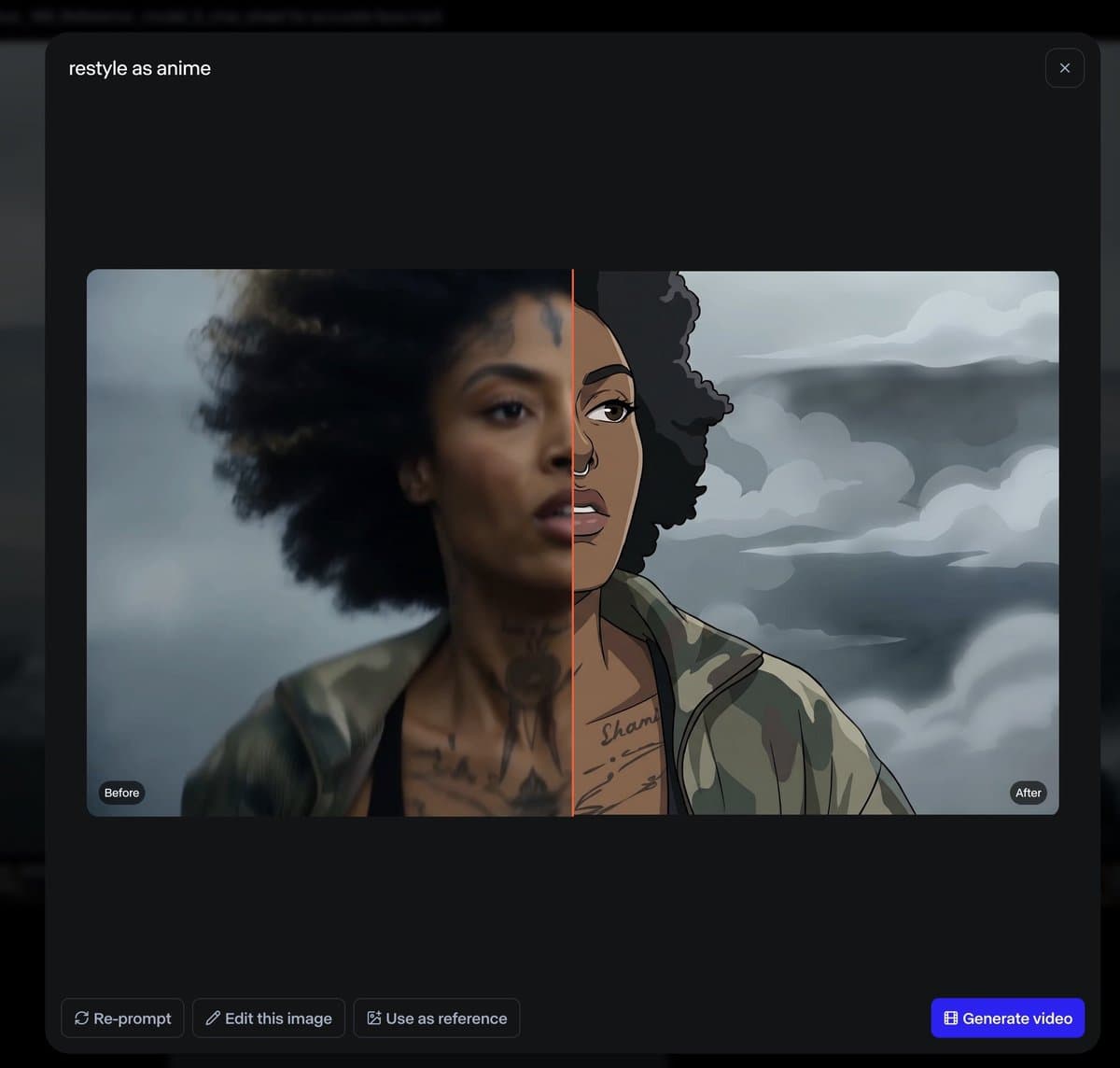
- In creator tests, ai_artworkgen's first thread and ai_artworkgen's multicut tests show Aleph handling relighting, weather swaps, environment changes, outfit edits, and full restyles while largely preserving camera motion.
- Early hands-on feedback from CharaspowerAI's test clip and awesome_visuals' post centers on the same strength: changing set design, style, and mood without breaking the original shot dynamics.
- The weak spot in the best documented test comes from ai_artworkgen's feedback, which reports lost logo detail on clothing and softer facial detail in wider shots.
You can watch Runway's launch demo carry a single edit through an entire sequence, then compare it with ai_artworkgen's Seedance test and their Veo restyle test, where the prompts jump from neon relighting to pastel 3D restyling. Runway's own framing in the official post is precision editing, while CharaspowerAI's clip leans into a more production-minded angle: keep the camera move, swap the world around it. The most concrete caveat still comes from ai_artworkgen's notes, which call out logo loss and weaker face detail on wide shots.
Edit Studio
Runway paired the model launch with a new web workspace. iamneubert's announcement calls Edit Studio a new way to create, edit, and ship content, and runwayml's link post points users straight to the web product.
The launch pitch is simple:
- Edit a single frame
- Preview the change before committing it
- Propagate that edit across the full video automatically
- Work on multishot sequences up to 30 seconds
- Export at 1080p
Those claims come directly from runwayml's launch demo and runwayml's follow-up post.
Motion preservation
The strongest repeated claim across the evidence is motion retention. Runway's official wording says Aleph lets you change exactly what you want while keeping everything else the same, and community testers keep translating that into one concrete benefit: the camera move survives the edit.
CharaspowerAI's test clip says the useful production feature is keeping camera movement while changing set design, style, mood, and visual details. awesome_visuals' post makes the same claim even more bluntly: change anything, keep the motion exactly the same.
Runway amplified that angle too. runwayml's repost of jerrod_lew calls Aleph 2.0 "fantastic with motion control" after stress-testing a single clip with multiple edits.
What the edits look like
The clearest practical map comes from ai_artworkgen's first thread, their second test, and their multicut test. Instead of a vague "edit video with prompts" claim, the examples break the model into specific edit types.
Across those tests, Aleph handled:
- Lighting changes: "neon-red, low-key" relighting in ai_artworkgen's first thread
- Weather swaps: a snowscape plus snow blizzard in the same thread
- Time-of-day edits: daylight to nighttime in the Veo test
- Film treatment: light leaks, grain, Kodachrome, and noir black-and-white grades in the multicut test
- Outfit changes: camo streetwear in the Veo test
- Full restyles: a pastel 3D animation render in the same test
- Environment replacement under motion and multiple cuts in the multicut sequence
That list matters because the edits are not all the same class. Aleph is doing both local changes, like outfit swaps, and whole-scene transformations, like turning a sequence into a jungle or snowfield.
Multishot sequences
Runway's official posts keep stressing multishot support, but ai_artworkgen's third test is where the claim gets more concrete. The test was designed around a reference clip with motion and multiple cuts, specifically to see whether fidelity would hold up when the input was more like an edited sequence than a single uninterrupted shot.
The three prompts in that test stack environment replacement with film looks and time-of-day changes:
- Lush jungle plus Kodachrome grade, grain, and light leaks
- Nighttime plus grain and light leaks
- Snowscape plus noir black-and-white grade, grain, and light leaks
The notable part is not just that the prompts are broad. It is that they were applied to a clip with cuts, which is exactly where prompt-based video editing usually starts to wobble.
Failure cases
The most useful critique in the evidence pool comes from the same creator who posted the most detailed test set. In ai_artworkgen's feedback, the positives are explicit: 30-second 1080p output, frame selection and rerender flow, strong understanding of film stocks and grading, and seamless-feeling outfit adjustments.
The failure cases are equally specific:
- Logo and branding detail on clothing got lost in some edits
- Facial detail softened on wide shots
- Results depended on the kind of edit requested
- Results also depended on how much detail was present in the input clip
That is a much narrower caveat than "the model is inconsistent." The trouble shows up when identity and branded detail need to survive the transformation, especially at wider framing.
Early creator reception
The first wave of creator reactions is unusually aligned for a launch this fresh. runwayml's repost of AleRVG calls Aleph 2.0 the best video editor they've seen so far, while MayorKingAI's post frames the frame-level propagation workflow as a big step for cinematic AI editing.
There is also a business-side backdrop in c_valenzuelab's enterprise anecdote, which says one insurance customer used Runway tools to localize a commercial and cut reshoot costs by 99 percent, from $10K-plus to $7 in credits. That post predates Aleph 2.0, but it adds one new fact to the launch story: Runway is pitching editability as a production budget lever, not just a demo-friendly effects trick.