
Dustin Hollywood prices 15-second Seedance renders at $2 for 480p vs $23 for 4K
Dustin Hollywood estimates a 15-second Seedance render costs about $2 at 480p versus about $23 at native 4K. His workflow iterates at low resolution, then upscales finals with Magnific or Topaz.
TL;DR
- A 15-second Seedance render goes from about $2.02 at 480p to $23.33 at native 4K in dustinhollywood's revised math, while an upscale-assisted final lands around $3 to $5 in his cost correction.
- The working loop is low-res pre-vis, upscale the selected take, then spend native 4K only when the delivery spec demands it, according to the pre-vis post and the production-need reply.
- Native 4K still has a lane: starks_arq's short-film post called Seedance 2.0 clean enough for “final pixel” work after BytePlus handed them the model.
- Seedance 4K is already showing up in production surfaces, with AllarHaltsonen's BytePlus post pointing to API and Lumina access and runwayml's model roster listing Seedance 4K on Runway Dev.
The useful split is brutal: one corrected price breakdown turns native 4K into a 5x to 10x budget multiplier, while one 4K showcase argues the extra pixels can cross the “looks generated” line. The creator workflows are already hybrid: awesome_visuals used Seedance 2.0 on Runway, then Topaz Astra for upscale and FPS, while techhalla's found-footage workflow wrapped Seedance 2.0 with prompts and Suno music.
The $2 versus $23 render
Dustin Hollywood, posting as dustinhollywood, revised his own estimate from “a quarter” to “nearly 10x cheaper” after pricing the same 15-second Seedance job at two resolutions.
- 15 seconds at 480p Seedance: about $2.02.
- 15 seconds at native 4K Seedance: about $23.33.
- 480p plus Magnific or Topaz upscale: about $3 to $5 total.
- Owned Topaz license: effectively $0 marginal upscale cost in his setup.
The creative point was iteration, not thrift. More cheap drafts means more chances to find the shot before paying to polish it.
A shorter version of the same argument appeared in an earlier dustinhollywood reply, which framed native 4K as 5x to 10x more expensive depending on the workflow.
Low-res pre-vis
The pipeline dustinhollywood described is simple enough to steal:
- Generate pre-vis at 480p.
- Pick the take that actually works.
- Upscale to 1080p.
- Upscale again to 2K.
- Skip native 4K unless the final display or delivery spec requires it.
He made the same point twice with different clips: the viewer sees the motion, framing, and timing first, then the pixels get upgraded after the decision is made.
The upscaling stack
The stack in this thread was not one tool. dustinhollywood named Magnific and Topaz for the cheap-final path in his cost correction, then showed a requested 4K version and later said the enhance pass used Proteus plus Rhea in a layered setup.
Other creators were already chaining the same category of tools. awesome_visuals described a Seedance 2.0 clip made on Runway, then upscaled and frame-rate boosted with Topaz Astra.
Native 4K’s production lane
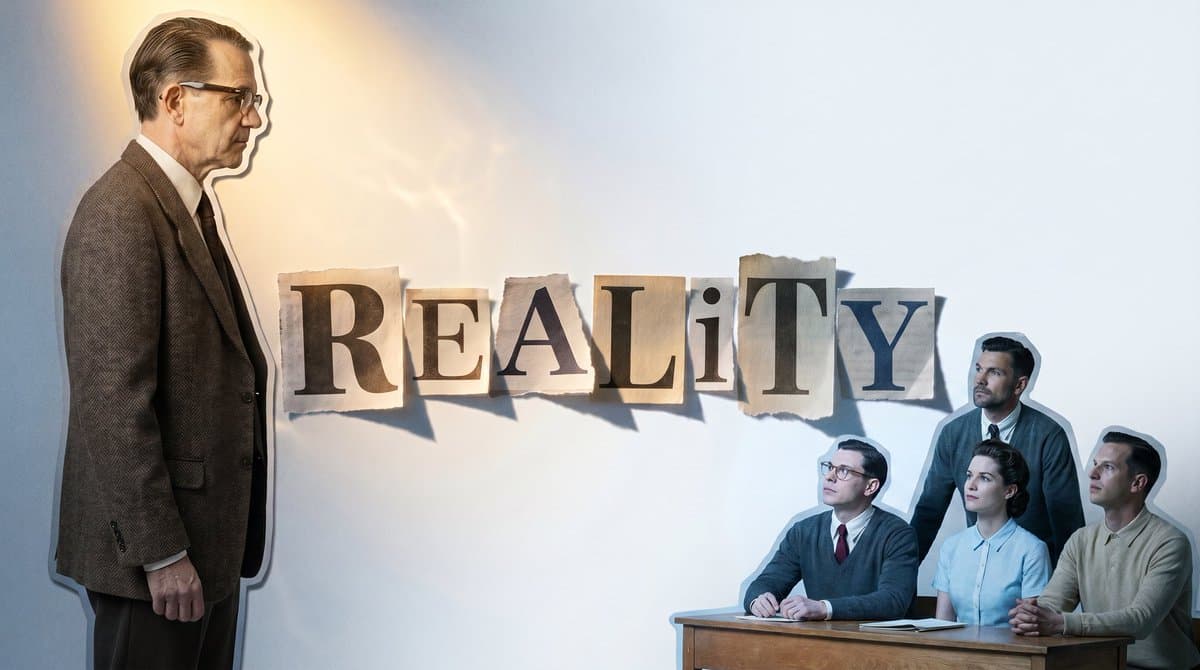
starks_arq made the strongest counterclaim: BytePlus gave them Seedance 2.0 in native 4K, and their short film “REALITY” looked clean enough that they called it “final pixel.”
That is the cleanest use case for spending the money: when the render itself is the master, not a draft. dustinhollywood still carved out the same exception in his production-need reply, saying he sees native 4K as justified for a client or production requirement.
AllarHaltsonen said Seedance 2.0 4K was available through BytePlus, with API access for enterprises and developers plus direct use on BytePlus Lumina. His follow-up linked the 4K capabilities page.
Model choice beats model hype
dustinhollywood also separated resolution from model choice. In his example, Seedance was strong for motion and realistic physics, but he said he would choose Hailuo for motion-graphics effects before Seedance.
His stated reasons were specific:
- Seedance handles motion and physical realism well.
- It is not his top pick for motion graphics or VFX dynamics.
- It can inflate pixels at the start frame, which makes stitching harder.
- Older or less-hyped models still win specific jobs.
Period footage workflows
techhalla used Seedream 5 Pro plus Seedance 2.0 with one prompt to make footage styled like a 1960s documentary, then pointed readers to a Magnific workflow.
A second techhalla post packaged the same direction as found footage “from any era, anywhere,” with the Suno prompt included for music. koldo2k's note described a related longer-piece workflow that combines Midjourney with Seedance 2.0's context handling.
Sketch-to-shot pre-vis
dustinhollywood's pre-vis comments also pointed to Stages AI. His screenshot showed a sketch-to-generation workspace in Stages Pro, with a simple drawn face in the history panel and a Nano Banana 2 Edit result in the canvas.
That makes the low-res argument broader than Seedance pricing. The same workflow can start as a sketch, move through model routing and style controls, then reserve high-resolution spending for the shots that survive the creative pass.
Runway Dev access
runwayml said Runway Dev added Seedance 4K alongside Seed Audio 1.0, Seedance Mini, Google Omni Flash, Seedream 5.0 Pro, and other media models on an enterprise-grade platform.
The post linked Runway's get-started page, putting Seedance 4K in the same procurement lane as other production media models rather than a standalone demo page.