
ShotDeck workflow adds Claude frame breakdowns before Nano Banana prompt iteration
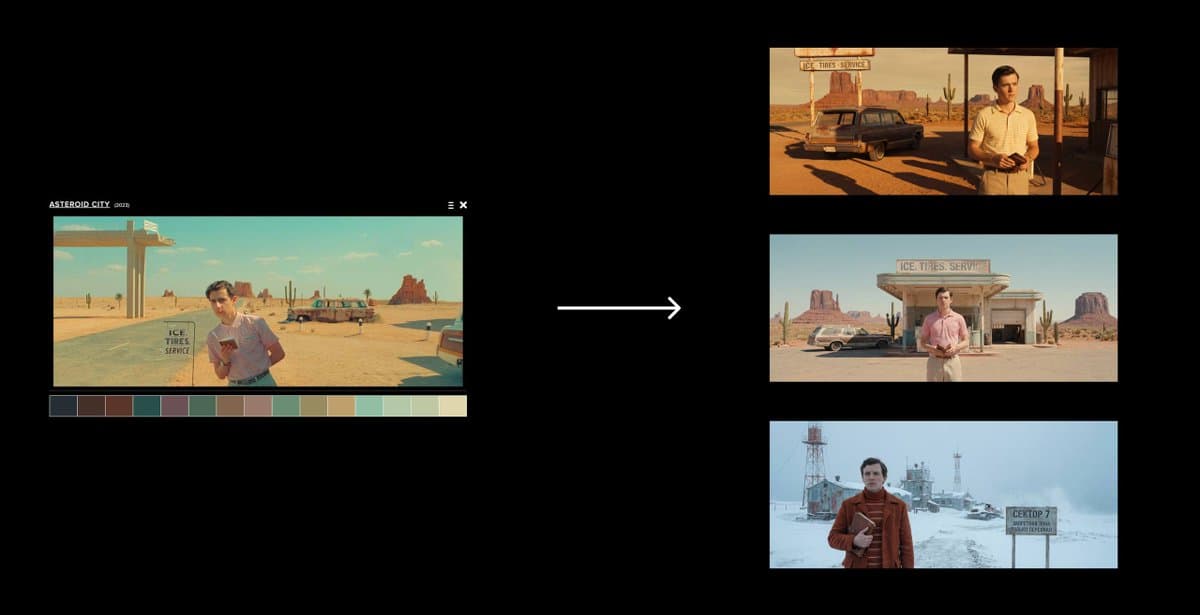
One filmmaking loop starts with a ShotDeck frame, uses Claude to reverse engineer lens and lighting choices, then sends ten variations into Nano Banana Pro. Run the loop repeatedly if you want frame study to become practical lookdev instead of passive inspiration.
TL;DR
- A filmmaker shared a tight study loop that starts with a ShotDeck reference, then uses Claude to infer lensing, lighting, color temperature, composition, and depth-of-field choices before any image generation starts workflow thread.
- The key move is turning one analyzed frame into 10 prompt variants for Nano Banana Pro, so creators can compare how angle, intensity, and subject placement change the result variation step.
- The pitch is less about copying a frame than learning its visual grammar through repetition; the thread says repeated cycles make breakdown-level thinking feel instinctive training claim.
What is the loop?
The workflow is a three-step chain: pull a precise still from ShotDeck, ask Claude to reverse engineer the cinematography, then send 10 variations of that intent into Nano Banana Pro. In the example breakdown, Claude is prompted to name specifics like an 85mm lens, hard key from upper left, 3200K tungsten, a 4:1 fill ratio, shallow depth of field, and right-third framing.
That turns a reference image into structured prompt ingredients instead of vague moodboarding. The creator describes the ShotDeck frame as a "teacher," with Claude handling analysis and Nano Banana Pro handling fast visual iteration full repost.
Why it matters for AI lookdev
What makes the loop useful is the comparison step. Rather than generating one hero image, the process asks for 10 alternate executions of the same cinematic intent, then studies the differences between outputs to see which variables actually changed the frame.
That makes the exercise closer to look development than inspiration gathering. The thread's core claim is that repeated runs train creators to recognize setups on sight, because they are rebuilding the logic of a frame from the inside out instead of collecting references passively.