
Claude Code users report accidental workflow triggers, 199-agent research runs, and 50M-token burn
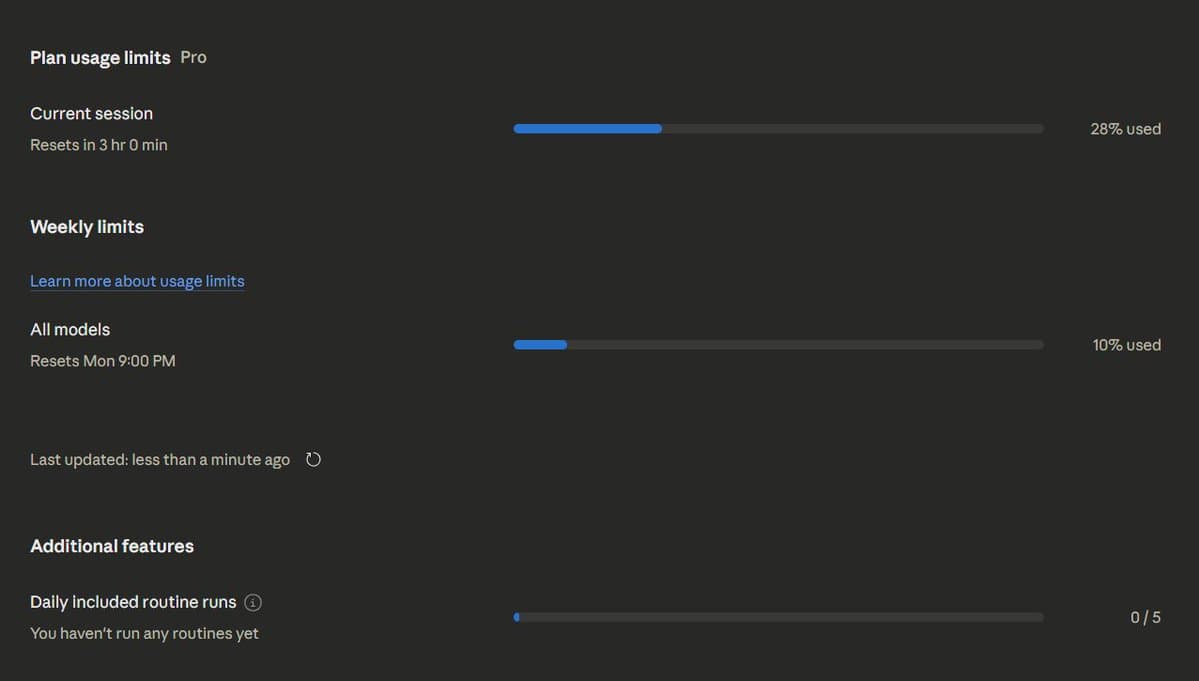
Three days after Dynamic Workflows launched, Claude Code users reported accidental mode triggers, a 199-agent deep-research run that burned about 50 million tokens, and steep quota hits from design workflows. The complaints matter because orchestration can now dominate cost and behavior even when the underlying model is working as expected.
TL;DR
- mattpocockuk's bug report showed that merely typing the word
workflowcould trigger Claude Code's new mode, and ClaudeCodeLog's changelog summary says Anthropic added a/configsetting to disable that keyword trigger days later. - A Reddit user in marky125's ClaudeCode post said a Claude Code deep research run spawned 199 agents and burned about 50 million tokens in 30 minutes, after the docs introduced dynamic workflows as a background orchestration layer.
- The cost blowups line up with the product's own mechanics: the official workflows docs cap runs at 16 concurrent agents and 1,000 total agents, and say every agent uses the session's model unless the workflow routes a stage elsewhere.
- User reports in PersonOfDisinterest9's Reddit post, daniel_mac8's comparison, and crystalpeaks25's PSA all point at the same shift, orchestration choices now dominate token burn and quota behavior as much as the base model does.
The official docs quietly spell out the part many users learned the expensive way: subagents inherit the session model by default, the runtime can run 16 at once, and a single workflow can consume up to 1,000 agents total. You can also see Anthropic reacting in near real time, because ClaudeCodeLog's changelog summary lists a new keyword-trigger toggle in /config, while the GitHub release feed shows rapid point releases landing across the same window.
Workflow triggers
The most visible complaint was not million-token research, it was accidental activation. In mattpocockuk's post, simply mentioning a GitHub workflow caused Claude Code to jump into its new workflow mode and spin up subagents.
That complaint was specific enough that Anthropic appears to have productized the workaround immediately. ClaudeCodeLog's changelog summary says v2.1.157 added a "Workflow keyword trigger" setting in /config, specifically to stop the word workflow in a prompt from triggering a dynamic workflow.
A reply from AlemTuzlak's comment suggests the false trigger was easy to reproduce in normal coding conversations, not just edge-case prompts.
199 agents, 50 million tokens
The sharpest failure report came from Reddit. marky125's ClaudeCode post says launching deep research from Claude Code started 199 agents and burned roughly 50 million tokens over 30 minutes, enough to time the user out.
PSA: "deep research" in Claude Code is *not* the same as in the desktop/web app.
1 comments
A separate Reddit report in PersonOfDisinterest9's ClaudeAI post described a smaller but similar pattern: subagents climbed past 1.7 million tokens, one agent hung, the system redeployed all eight agents, and the run ended with a long report instead of the requested coding work.
Careful with the new UltraCode, it's a mega token eater, and it's buggy. ~1.7 million tokens used with no output. There are no refunds for this.
6 comments
Those stories match the product's own scope. The workflows docs describe dynamic workflows as JavaScript orchestration scripts that Claude writes on the fly, with the runtime handling large fleets of subagents in the background.
Why the burn gets ugly fast
The documentation fills in the mechanism behind the complaints. According to the official workflows docs, workflows can run up to 16 agents concurrently and up to 1,000 agents total per run, and each agent inherits the main session's model unless the script explicitly routes that stage to another model.
That inheritance rule is the whole story for many of the quota shocks. In crystalpeaks25's PSA, a Claude Code user quoted the docs' default model behavior and argued that running 50 subagents on Opus means paying for Opus 50 times in parallel unless the workflow pushes implementation stages down to Sonnet.
PSA: How to save tokens when using dynamic workflows
0 comments
The same pattern shows up in side-by-side usage tests. daniel_mac8's comparison said the same dynamic-workflow task used 175K tokens in Codex versus 700K in Claude Code, with Claude Code also pausing mid-task after hitting rate limits.
Even positive hands-on reports carried the same caveat. nummanali's design workflow example said a four-stage design pipeline still consumed 5 percent of a weekly Max 20x quota, while sidbid's hands-on note called dynamic workflows expensive enough that shrinking the workflow was useful just to get a feel for token usage.
Controls and fixes
Anthropic's first visible mitigation was not a quota change, it was an escape hatch for accidental invocation. ClaudeCodeLog's changelog summary says v2.1.157 added the keyword-trigger toggle, and the same changelog also lists fixes for background-agent sessions not retiring, orphaned worktrees, and stop actions that failed while background subagents were running.
The docs also expose a second lever that was mostly absent from the early reaction posts: on Pro plans, dynamic workflows can be turned on from the Dynamic workflows row in /config, because the feature is still labeled research preview in the official docs. That means the launch shipped with both a new orchestration engine and a new on-off switch buried in configuration, which is about as Claude Code as it gets.