
Leonardo and Nano Banana Pro support color-palette swaps that recast one scene 4 ways
A creator kept composition fixed and changed only palette direction to turn one image into comfort, grief, tension, and candlelit solitude. Use this technique when you want multiple emotional reads without rebuilding the whole frame.
TL;DR
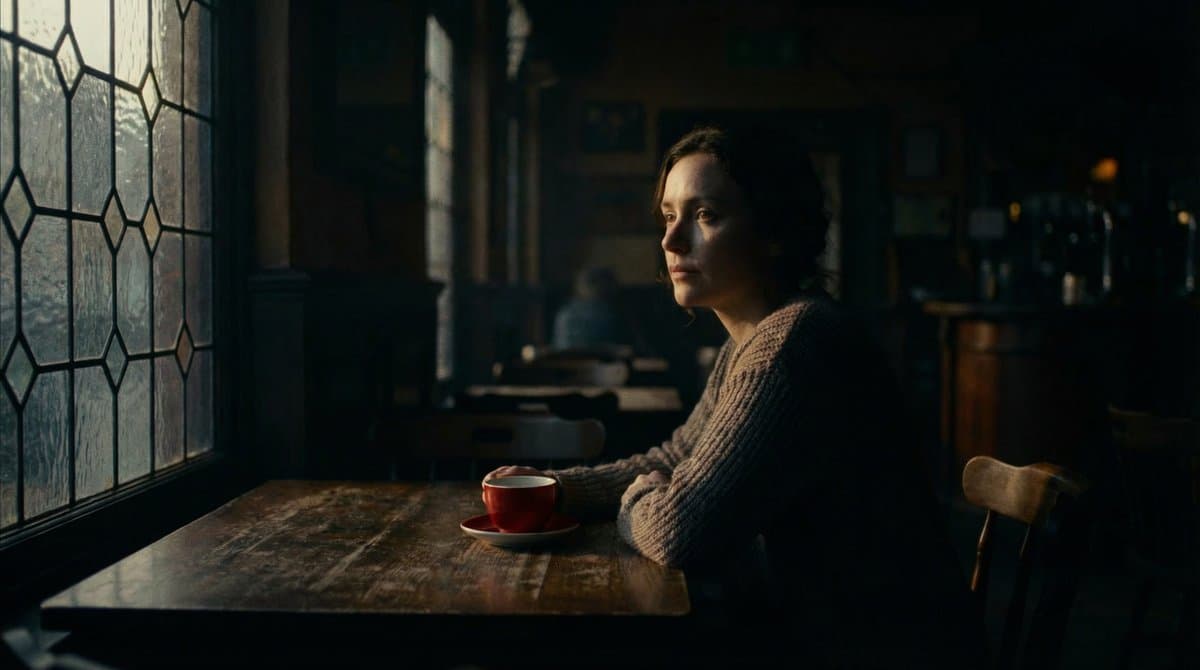
- A Leonardo workflow built on Nano Banana Pro kept one base composition fixed and changed only palette direction, producing four distinct story readings from the same scene thread opener.
- In the creator's examples, warm amber light pushed the image toward nostalgia and comfort, while a cool desaturated blue version turned the same framing into isolation and possible grief amber version blue version.
- A high-contrast pass with deep shadows and one red accent shifted attention to a cup and created unresolved tension, showing that color can also steer narrative focus, not just mood red-accent version.
- A candlelit variant landed somewhere else again: intimate and private, but also solitary, which makes the technique useful when you want alternate emotional reads without rebuilding the whole frame candlelit version.
What changed when only color moved
The core experiment was simple: one scene, one composition, and four prompt-driven palette shifts inside Leonardo using Nano Banana Pro. According to the creator's workflow recap, the frame stayed constant while color direction did the work.
That produced clean narrative swings. The amber version reads like memory and comfort because the window light, wood grain, and sweater texture all feel warm and tactile. The blue version keeps the same subject placement but drains the room into distance, making the window feel observed rather than welcoming.
The other two variants show how specific palette choices can reshape emphasis. In the red-accent version, deep shadow and a single red object pull the eye to one prop and create suspense. The candlelit pass compresses the world inward; it is still warm, but no longer open or nostalgic, instead feeling late, private, and slightly lonely candlelit variant.
The reusable workflow for creators
The practical takeaway is not "make four looks." It is to separate composition from emotional grading. This creator generated a base image first, then used prompt-level color direction to test different narrative readings on top of it one base image.
That makes palette swaps a fast previsualization move for storyboards, key art, album covers, and pitch frames. If the scene already works spatially, you can audition memory, grief, suspense, or intimacy by changing warmth, saturation, contrast, and accent color rather than rewriting the whole prompt from scratch. In this case, the most effective changes were broad palette moves plus one focal decision, like the single red cup in the tension-focused version red-accent version.