
Midjourney adds eight-code Burnt Chrome SREF blends
Creators packaged Midjourney looks as reusable SREF products, from Burnt Chrome multi-code blends to neo-noir, retro dark fantasy and cyberpunk presets. The recipes are being framed as commercial-ready style systems for campaigns, posters and character work.
TL;DR
- Creators are turning Midjourney style references into packaged products, not just one-off prompt tricks, with Lloydcreates posting an eight-code "Burnt Chrome" stack in a single prompt and Promptsref publishing paid libraries of codes and combinations Burnt Chrome blend Promptsref top SREF analysis.
- Midjourney officially supports this behavior: its Style Reference docs say users can mix more than one
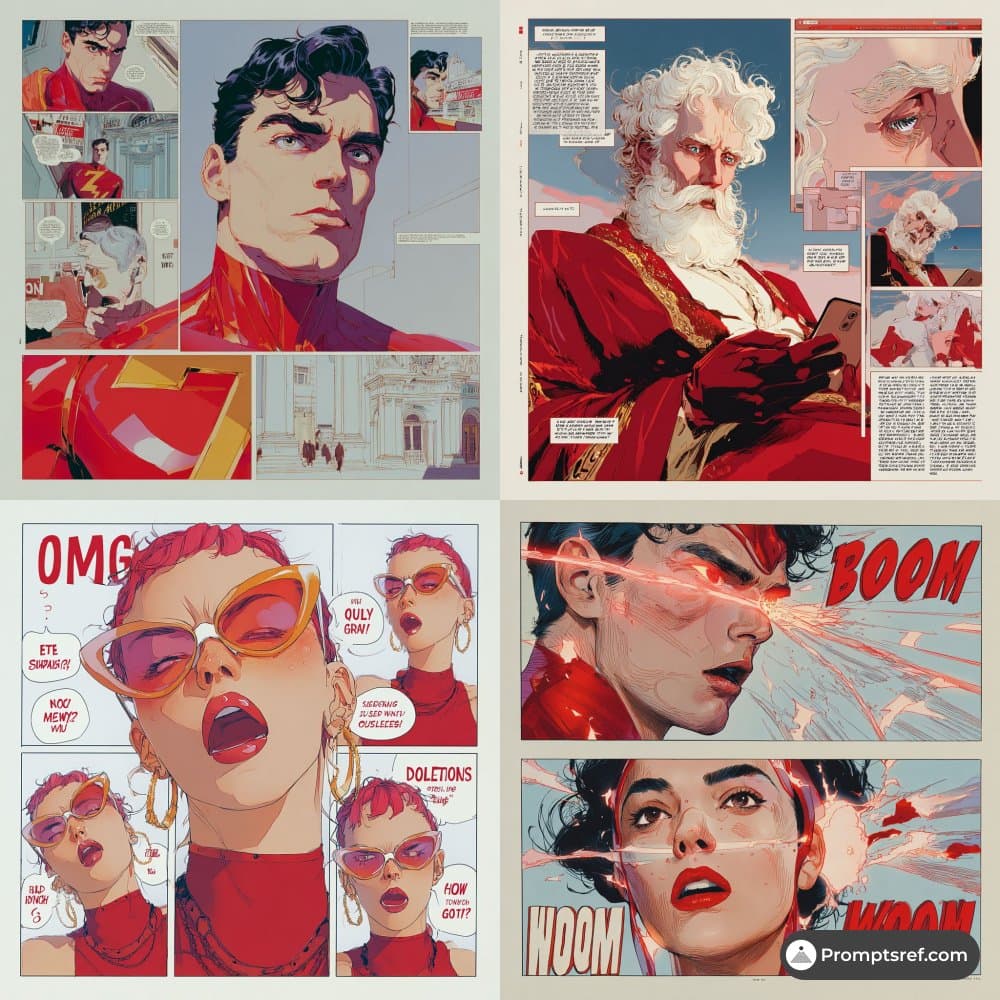
--sref, combine style codes with images, and adjust influence with--sw, while Personalization docs keep--pas a separate style layer Burnt Chrome blend. - The styles being sold hardest are the ones that already sound like finished art-direction decks: neo-noir minimalism for luxury campaigns Neo-noir preset, retro dark fantasy for indie games and covers Retro dark fantasy preset, and cinematic comic frames for posters and character work Graphic novel preset.
- PromptSref is explicit about the business model, advertising 6,504-plus prompts, 214 premium SREF codes, and 94-plus SREF combinations on its member page, plus a separate combinations catalog marketed as premium-only Retro dark fantasy preset Cyberpunk vaporwave preset.
You can browse Midjourney's own Style Creator, which turns image picks into reusable --sref codes, then watch third-party sellers turn that same mechanic into stocked shelves of presets. One account is selling a member-only library, another has a dedicated SREF combinations page, and creators are already posting named blends like Burnt Chrome Burnt Chrome blend.
Burnt Chrome
The cleanest example in this evidence set is also the simplest: one branded name, eight --sref codes, and a personalization code tagged onto the end with --p. That is a moodboard product in command-line form.
The attached images lean hard into glossy portraiture, warm metallic skin tones, and sharp shadow cuts. The post does not explain the recipe, it just ships the recipe.
Prompt stores
Promptsref is packaging styles like a catalog, not a feed. The tweets pair a numeric code with a house description, use-case list, and a link to a fuller prompt breakdown.
The site backs that up with a paid inventory. Its homepage advertises 1,626 SREF codes and 6,504 prompts, the member page promises 214 premium codes plus 94-plus combinations, and the combinations page sells multi-code blends as a separate premium layer.
Three saleable looks
Across the posts, the winning presets read like client-ready creative directions:
--sref 1498680336: neo-noir minimalism, pitched for luxury campaigns, sci-fi concept art, posters, and product visuals Neo-noir preset--sref 963482740: retro sci-fi storybook illustration, with European and Japanese animation influences Storybook retro sci-fi preset--sref 20240916: cyberpunk vaporwave pop, aimed at fashion, album covers, tech ads, and streetwear Cyberpunk vaporwave preset
That vocabulary is the interesting part. These are less like random aesthetic discoveries and more like prewritten briefs for commercial image generation.
The stackable style system
Midjourney's docs explain why these posts are getting more modular. Style Reference says users can apply numeric style codes from Midjourney's internal library, mix more than one code in the same prompt, combine style codes with image references, and tune strength with --sw from 0 to 1000.
That sits next to Personalization, where --p represents a learned taste profile built from image selections. Burnt Chrome uses both. One prompt now acts like a stack of presets rather than a single style toggle.
The March 20 version switch
One quiet wrinkle in the docs: Midjourney says style references and moodboards switched to --sv 7 by default on March 20. The company says --sv 7 has no extra GPU cost and works with --hd, while --sv 6 costs 4 times more GPU time and does not work with --hd or --q 4.
The same Style Reference page also warns that older style codes may not produce the same look anymore. For anyone collecting or selling SREF recipes, the code is only part of the product, the version tag is part of it too.