
Luma launches Agents with one-canvas scene consistency and Uni-1 controls
Luma launched Agents for creative work, with creator tests focused on keeping characters, lighting and environments coherent across multi-scene sequences. Use it to cut file juggling and lock image generation to Uni-1 when you need tighter control.
TL;DR
- Luma has launched Agents as a single-canvas creative workflow, and creator tests center on the same promise in launch thread: less tool switching, more continuity across shots.
- In Lloydcreates' first pass, character test shows the agent holding one invented character's face across multiple scenes without re-prompting.
- The more ambitious demo in scene stress test and driving shot suggests Agents can also carry lighting, wardrobe, environment logic, and even camera-aware motion through cut-to-cut sequences.
- Luma says requests can route across models, so Uni-1 note now matters if you want image generations explicitly locked to Uni-1 rather than whatever the agent selects by default.
What shipped
Luma is positioning Agents as an autonomous layer across the creative pipeline rather than a single image or video model. In the launch thread, the pitch is "one canvas, one conversation," with the agent handling workflow handoffs that normally happen across separate prompting, editing, and reference-management tools. The linked Luma site frames that as AI agents for creative work rather than a point solution for one medium.
The strongest practical detail so far is that routing is not fixed to one model. Luma's own Uni-1 note says Agent requests can move across models unless the user explicitly selects Create Image → Uni-1, asks the agent to use Uni-1, or checks the output label afterward.
What creators tested
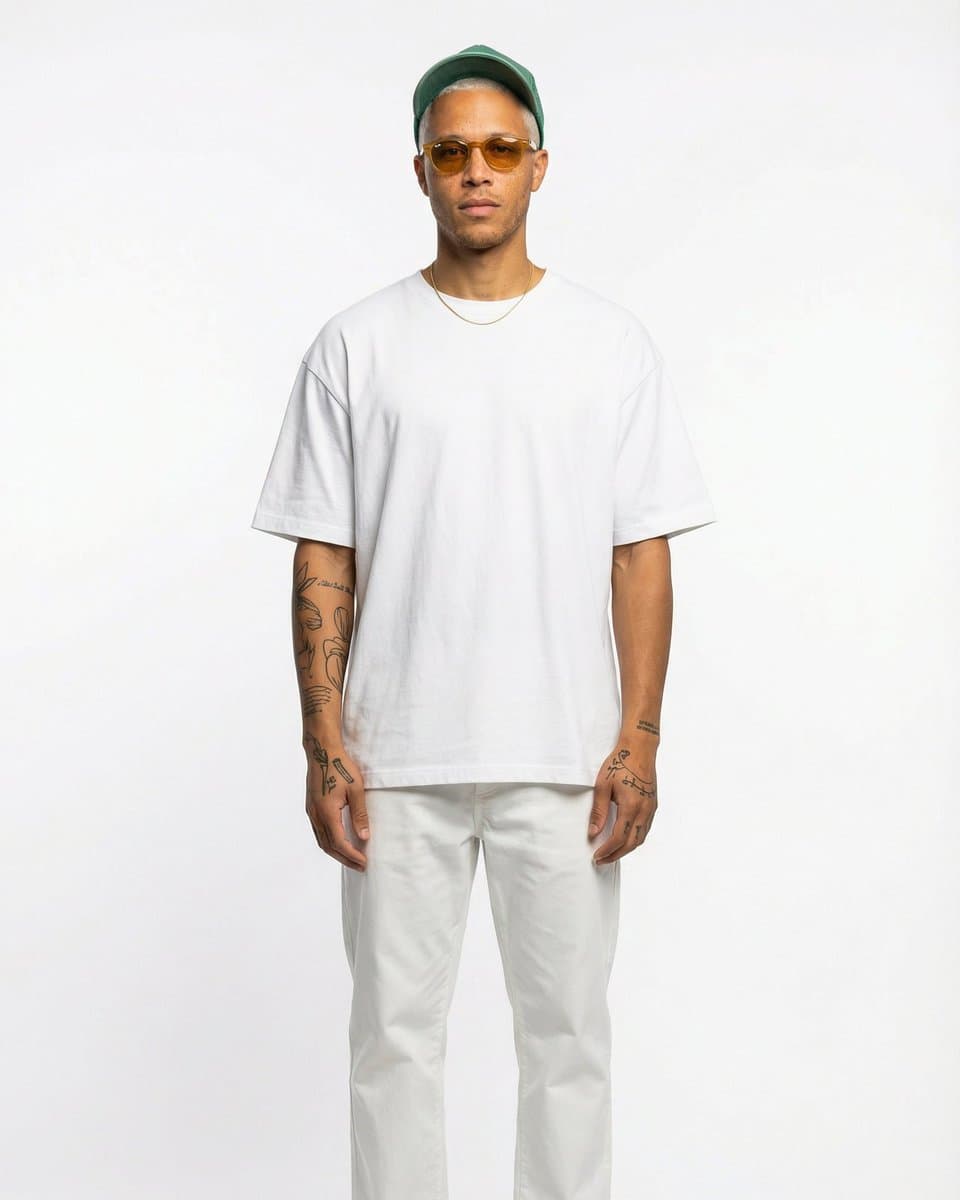
The creator test here is less about raw spectacle than continuity. In the character setup, Lloydcreates defines a recurring person with platinum hair, freckles, tattoos, and a green trucker cap, then says the agent kept that face stable across scenes without extra cleanup. In the multi-room sequence, the same character and outfit persist from hallway to living room to kitchen to a window shot even as the lighting changes by room.
The harder stress test is environmental variety. According to the scene stress test, a green marble kitchen, a Porsche 911 GT1, and an upscale farmers market still held together through shared lighting, color, wardrobe, and environment logic. The driving example in the car scene adds motion blur, shifting reflections, and a drone-to-tracking-shot progression that the creator says was inferred rather than directly specified.
How much control is still human
The launch material does not describe a one-prompt movie machine. In the control caveat, Lloydcreates says the human still made the key choices on character design, wardrobe, environment, and color grade, with the agent acting as a multiplier for taste rather than a replacement for it.
That matches the workflow claim in the file-juggling post: the win is less time spent re-uploading references, switching apps, and reconstructing old prompts. The core creative decisions still sit with the person steering the project.