
Creators report Midjourney supports weighted sref blends with ::8 ::2 ::3 syntax
Creators report Midjourney can blend weighted sref codes with syntax such as ::8 ::2 ::3 for mixed styles across anime, sci-fi, fantasy, and watercolor looks. Save the formulas if you want faster style exploration with less prompt rewriting.
TL;DR
- A creator demo suggests Midjourney now accepts weighted style-reference blends, using one
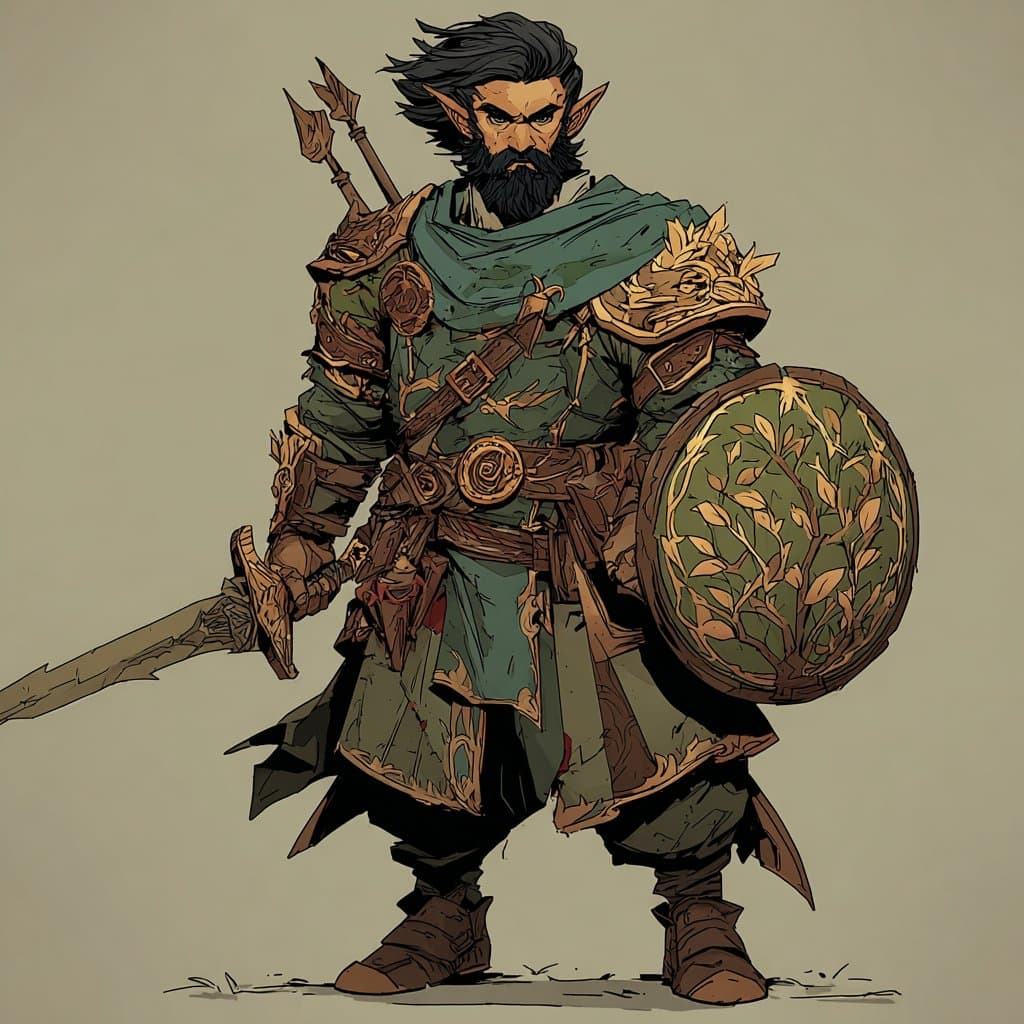
--srefstring with grouped weights like::8 ::2 ::3instead of a single code weighted blend demo. - Early experiments point to the same mechanic working across very different looks, from a vintage hand-drawn sketch in sref 1470 and watercolor-architectural concept art in sref 2309808913 to RPG character illustration in sref 1311228238.
- Niji 6 appears especially active in these tests: creators are pairing it with a ukiyo-e/anime hybrid in sref 851985277, a purple-orange retro-sci-fi palette in sref 3179391764, and a dark fantasy comic look in sref 2671261553.
- Another creator says they are already mixing srefs to generate fresh styles for subscribers, adding a second practitioner signal that blend-based exploration is becoming a workflow, not a one-off trick mixing srefs.
What changed in the syntax
The clearest new evidence is Lloyd Creates' blend post, which shows a single --sref field containing a long list of style codes plus explicit weights: one cluster marked ::8, another ::2, and another ::3. That matters because it turns style exploration into ratio editing. Instead of rewriting prompt language for every variation, creators can keep the subject prompt stable and shift the visual influence numerically.
A second post from Artedeingenio reinforces that this is being used as an active workflow, not just documented as a curiosity: they say they "love mixing srefs" and show a fresh blended output in mixed-style preview. Between the two posts, the practical takeaway is that creators are treating srefs less like single presets and more like ingredients.
What kinds of looks are being blended
The source styles now circulating are unusually mixable because they are visually distinct. PromptsRef's ukiyo-e code pairs --sref 851985277 --niji 6 with beige ink-wash textures and traditional Japanese-art cues, while another PromptsRef post uses retro-sci-fi code for deep purple shadows, orange-red highlights, and neon vaporwave mood on Niji 6. A third Niji 6 recipe in dark fantasy code pushes heavy shadow, blood-red accents, and woodcut-like comic linework.
On the non-Niji side, Artedeingenio's RPG comic style leans into European fantasy-comic linework for D&D-style manuals, while watercolor sketch style lands in architectural sketching plus concept art. Even the softer vintage sketch look centers on imperfect lines, paper texture, and restrained retro color. Those are the kinds of separable traits that make weighted blends useful: linework from one code, palette from another, lighting from a third.
Where creators may get the most leverage
The strongest use case is not finding one magic code but building a reusable house style. A creator can start with a base illustration language like architectural watercolor, pull in character readability from RPG linework, then add mood from neon retro-futurism or gothic contrast. The weighted syntax in the blend string is what makes that modular.
Support material around these posts also suggests creators are beginning to document recipes rather than just aesthetics. PromptsRef links out to breakdown pages for the ukiyo-e and cyberpunk looks in ukiyo-e breakdown and cyberpunk breakdown, and its broader library post frames prompt keywords, lighting language, and style parameters as a repeatable system rather than isolated images library post. The shift here is from collecting pretty srefs to composing them.