
Reve reports Large Layout Models replace prose prompts with layout control
Reve published a technical explanation of Large Layout Models, arguing that image generation works better from structured layouts than prose-only prompts. Try layout-first editing for granular changes to hair, lipstick, and skin tone without rebuilding the whole image.
TL;DR
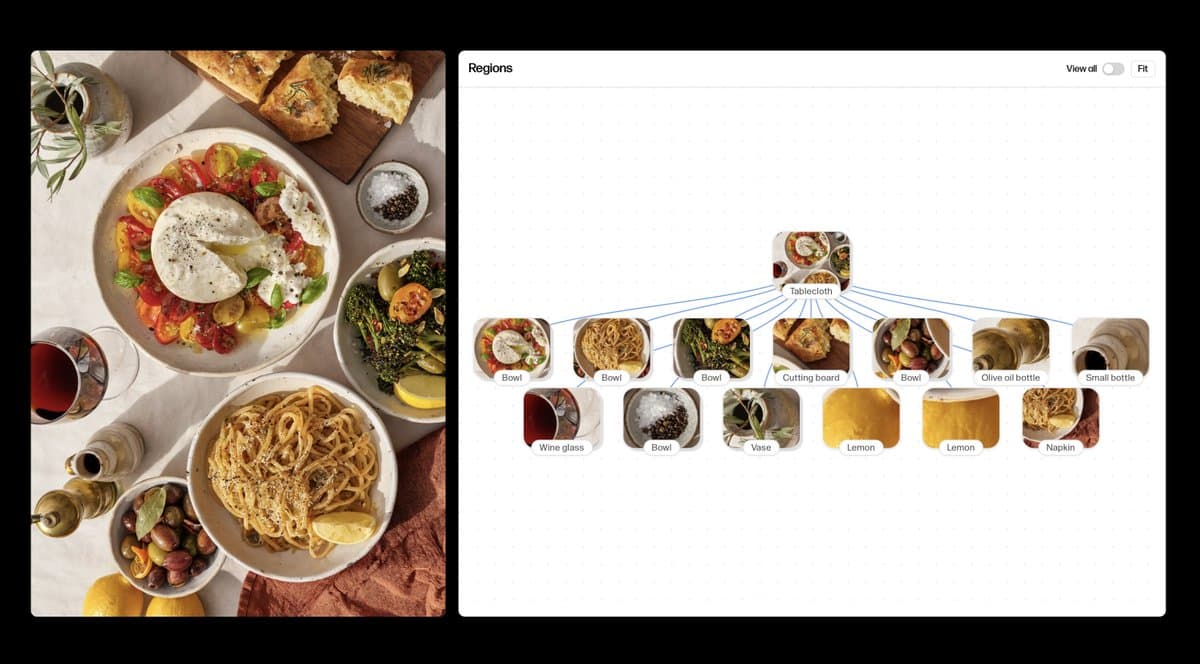
- Reve says Reve 2.0 generates and edits images through precise layouts, not just prose prompts, a shift that LukeW's post compressed into "images as code" and that The Layout Bet spells out as a new intermediate representation.
- According to LukeW's link post, the company calls the underlying system a Large Layout Model, and Reve's homepage says the product separates planning from rendering so people can inspect and edit the plan before pixels are finalized.
- In Reve's own framing, laid-out image structure beats prompt-only generation at the same model size, and LukeW's quote card captures the core claim: "We replaced English prose and built a better intermediate representation: a layout."
- Early hands-on evidence from ai_artworkgen's test shows the editing pitch in practice, with one image changed across hair, lipstick, and skin tone without remaking the whole composition.
- MelisaSeah's arena repost and the Text-to-Image Arena leaderboard place Reve 2.0 at No. 2 on June 3, 2026, with a 1280 score, just behind OpenAI and just ahead of Google's latest preview model.
You can read the full technical argument, poke through Reve's product page, and compare the launch framing with Arena's live leaderboard. Latent.Space's writeup also connects Reve's launch to the same-day Ideogram release, a useful clue that layout control is quickly becoming the next image-model battleground.
Layout instead of prose
Reve's big claim is simple: text is too fuzzy to be the internal control surface for image generation. In The Layout Bet, the company argues that prompt tweaks often scramble the whole image because prose cannot pin down exact position, size, color, and local detail.
Its replacement is a layout, a structured description where each element has location, size, local description, and optional attributes like color or image references. LukeW's link post points to that post directly, while Reve's homepage reduces the same idea to a product line: images are laid out first, then rendered.
Planning and rendering
The official site says Reve 2.0 separates planning from rendering. The plan is the editable object, and the final image is the render that follows from it.
That structure shows up in three concrete claims across The Layout Bet and Reve's homepage:
- layouts act as an image backbone, not a caption
- humans can inspect and edit the layout itself before changing the image
- the same representation is meant to work for generation, reconstruction, and editing
The technical post goes further. Reve says its Large Layout Model takes layouts, instructions, and images, produces an internal thinking trace, and then renders pixels. It also says large-scale ablations found layout models outperform equal-size prompt-based generators, which is the sharpest research claim in the whole launch.
Granular edits
The clearest creator-facing evidence came from ai_artworkgen's edit test, which showed a start-to-end transformation with localized changes to hair, lipstick color, and skin tone. The point of the demo is not the makeover itself. It is that the rest of the image stays intact while the requested attributes move.
That lines up with Reve's pitch that layouts make images "touchable," as MelisaSeah put it, because the editable unit is no longer a single global prompt. In the technical post, Reve makes the same case with reconstruction and region-heavy editing: the more structure the model can name, the more precisely it can preserve and alter.
Arena rank
Reve paired the architecture story with a leaderboard flex. MelisaSeah's repost of Arena said Reve 2.0 landed at No. 2 in Text-to-Image Arena, and the live leaderboard showed a 1280±11 score on June 3, 2026.
The nearby scores matter because they place Reve in a crowded top tier, not in a startup side lane:
- OpenAI's leading model sat above it at 1389±7
- Reve 2.0 followed at 1280±11
- Google's next model trailed closely at 1269±4
- Microsoft's MAI-Image-2.5 appeared next at 1254
Latent.Space's note added one more useful frame. Reve and Ideogram both spent launch day arguing for stronger layout supervision, which makes Reve's bet look less like a one-off product gimmick and more like a real change in how image tools are being built.