
Seedance 2.5 comes to Runway, Higgsfield, and Magnific
Runway, Higgsfield, and Magnific posted that Seedance 2.5 is coming to their video tools. Runway offered 7 days of Unlimited access for new Max signups, while Higgsfield and Magnific previewed 30-second UGC with up to 50 inputs.
TL;DR
- The rollout widened beyond ByteDance's own apps: Runway offered 7 days of Unlimited Seedance 2.5 for new Max signups in its access post, while Magnific's preview, Luma's post, and an Artcraft availability note put the model into more creator surfaces.
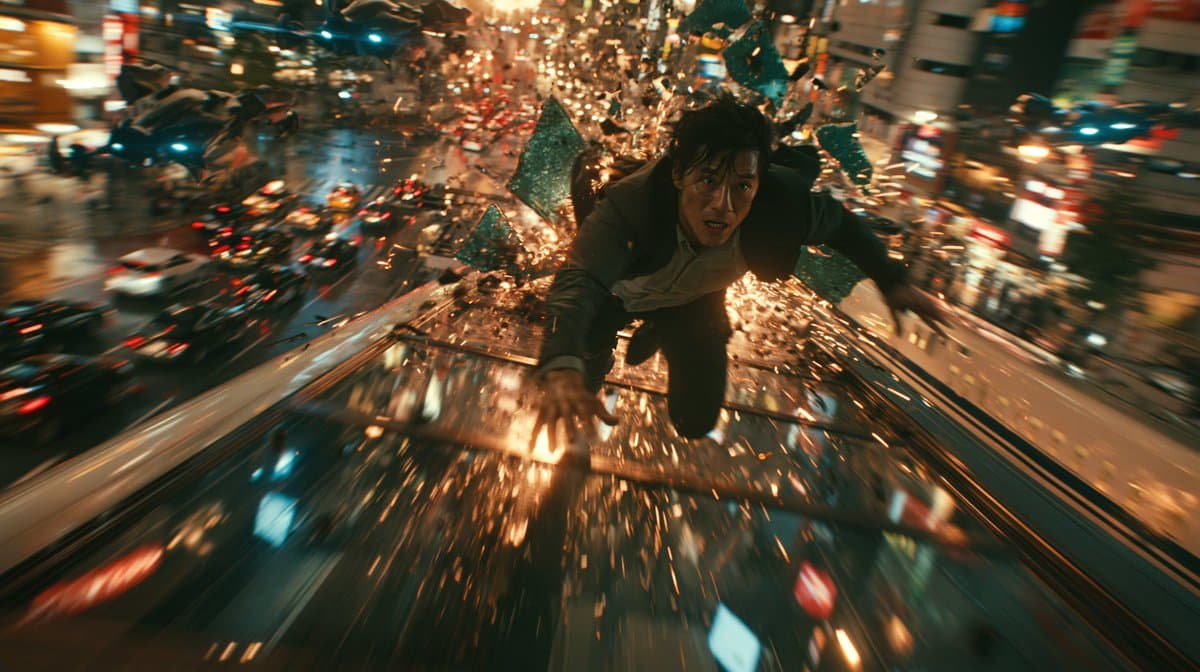
- The headline creative spec is one-take production: 30-second clips and up to 50 multimodal references, visible in Higgsfield's Shibuya crowd demo and pzf_ai's continuous tracking shot.
- Early creator tests are less about raw image-quality shock and more about control: ozansihay's comparison called 2.5 a more controllable, production-ready version of 2.0.
- The caveats are already concrete: 0xInk_'s test said the current output is 720p only, while BLVCKLIGHTai argued cost, speed, and custom audio are where Hailuo H3 is putting pressure on 2.5.
ByteDance's launch post breaks the 50-reference ceiling into 30 images, 10 video clips, and 10 audio clips in one pass. Dreamina's launch announcement says the model debuted globally on Dreamina first, with targeted editing in the same workspace. Runway's Instagram repost mirrors the Max-plan offer from X, while community access notes still mention regional gates.
Tool rollout
Seedance 2.5 is moving from a model launch into a tool distribution race.
The live and announced surfaces now look like this:
- Runway: 7 days of Unlimited Seedance 2.5 on launch for new Max signups, according to Runway's access post.
- Higgsfield: coming-soon previews across realism, POV, UGC, motion control, and image-to-video, with its Shibuya demo claiming up to 50 inputs for a 3,000-person crowd.
- Magnific: coming-soon previews for cinematic lighting, real cinematography, multi-language output, and UGC-style reviews in Magnific's feature reel and its UGC post.
- Luma: Luma's reply thread says Seedance 2.5 is coming to Luma, while adding that Luma still develops its own models.
- Artcraft: BLVCKLIGHTai spotted Seedance 2.5 availability on Artcraft.
- Dreamina and CapCut: creators were already posting Dreamina and CapCut tests, including pzf_ai's Dreamina tracking shot and techhalla's CapCut workflow.
The distribution is messy in the normal way new video models are messy. Dreamina's PRNewswire launch note says Dreamina is the first global platform to offer Seedance 2.5, but one Dreamina access reply said a European IP address was needed.
30-second takes
The new unit is the 30-second take, not the 5-second shot.
ByteDance's launch post says Seedance 2.5 extends single-pass generation from 15 seconds to 30 seconds, supports multi-round extension, and improves transitions between shots inside longer clips.
Creators immediately tested that claim in different ways:
- CharaspowerAI described the shift as “the 30-second era,” with one image transformed into a cinematic sequence.
- pzf_ai used a character sheet and voice file for the main character, then described the rest with text.
- venturetwins' reply said the a16z office walkthrough was one continuous generation, not separate clips.
- Artedeingenio said a fantasy trailer used 30-second animations edited in CapCut by cutting and stitching clips together.
- kaigani said 30 seconds gives clips more room to breathe and makes other AI clips feel rushed.
The strongest hands-on argument came from techhalla's production note: real projects already discard unused footage, and longer clips make it easier to maintain continuity across scenes.
50-reference scenes
The 50-reference number is the other real workflow change.
ByteDance's launch post defines the ceiling as 30 images, 10 video clips, and 10 audio clips, rather than 50 images. That distinction matters for creators building scenes from character sheets, locations, voices, props, and motion examples.
Early tests clustered around crowds, identity, and multi-subject blocking:
- Higgsfield's demo used up to 50 inputs to build a 3,000-person Shibuya Crossing crowd.
- Higgsfield's 50-guest post used the same input claim for a crowded indoor scene.
- Magnific's UGC test said creators can add themselves as a reference and use up to 50 references.
- techhalla's 42-reference test framed heavy reference use as a step toward AI-driven TV shows.
- techhalla's hands-on reply said 2.5 nailed tests with up to 23 references, while staying limited to 720p.
Reference-heavy generation is where 2.5 starts looking like a production tool instead of a novelty generator. A crowd scene, an office avatar, and a product ad all need identity lock more than another texture upgrade.
Prompt blocks with shot timing
The best community prompts look like production notes, not vibes.
The repeated pattern across creator posts:
- Reference lock: “Image 1 is the first frame,” “use the uploaded reference image as the exact character reference,” or “preserve her appearance consistently.”
- Timeline beats: 0 to 2 seconds, 2 to 4 seconds, 4 to 7 seconds, and so on.
- Camera verbs: backward tracking, low-angle tracking, handheld close action, orbit, pull-back Steadicam, whip pans.
- Physical continuity: no resetting character position, no duplicated limbs, keep train motion and city parallax.
- Audio blocks: train wheels, wind, cracking glass, energy fire, explosions, restaurant ambience, or orchestral percussion.
- Negative constraints: no subtitles, no logos, no watermarks, no face changes.
The same structure shows up outside action. ozansihay's restaurant-scene prompt breaks an emotional performance into four connected shots with lip-sync, ambient restaurant sound, and escalating facial detail. AIwithSynthia's grocery prompt uses the UGC version of the same grammar: smartphone movement, product close-ups, checkout walkout, lighting, music, and store ambience.
UGC ads
Seedance 2.5's most commercial-looking lane is UGC and product video.
Higgsfield pitched the format bluntly: its UGC marketing clip said creators could sell 50 products in 30 seconds. Magnific followed with review-style ads where every frame came from Seedance 2.5 and the creator can be added as a reference.
Creator tests pushed the format from demo to client work:
- AIwithSynthia's grocery vlog used a long prompt for an organic grocery shopping spot with product handling, cart POV, and checkout movement.
- AIwithSynthia's Paper Boat ad said a company hired them to make a mango drink commercial using Seedance plus GPT Image 2.
- venturetwins' office walkthrough used a photo, a talking clip, and office pictures to generate a self-narrated a16z walkthrough.
- venturetwins' voice-reference reply said the voice instruction was simply: “use the voice from the video as a reference.”
The format is obvious because the assets are obvious: product packshot, creator face, location references, voice or music, and one prompt that reads like a shot list.
720p, price, and bugs
The skeptical notes are specific enough to be useful.
ozansihay said dozens of tests did not show a massive image-quality jump over Seedance 2.0, partly because some comparisons put 2.0 at 4K against 2.5 at 720p. Higgsfield itself posted several 2.0 4K versus 2.5 720p comparisons, including its action-scene comparison.
The friction list so far:
- Resolution: 0xInk_ said generations were 720p only, and native 1080p would be better than later upscaling.
- Upscaling: 0xInk_'s follow-up said Dreamina's direct upscale was “not good.”
- Audio: pzf_ai said unwanted music appeared despite “no randomly added music” being listed as a 2.5 feature.
- Cost: venturetwins called the model pricey, while techhalla said one pure text-to-video generation cost around 1,000 credits.
- Competition: BLVCKLIGHTai said H3 was winning more timeline attention because of cost, speed, and custom audio uploads.
Bilawal Sidhu called Seedance 2.5 “by far the priciest” and “clearly the leader of the pack.” That tension is the whole rollout: better control is arriving, but the cheapest iteration loop still gets creators to publish faster.