
StudioX adds three-source live streaming for HDMI, iPhone, and webcam feeds
Stages AI says the StudioX build connects HDMI cameras, wireless iPhones, and webcams for live switching, isolated V2V feeds, and real-time AI generation. The company says it is production-ready for STAGES PRO v5 this fall.
TL;DR
- StudioX now has a production-ready three-source live streaming build for HDMI cameras, wireless iPhones, and webcams, according to dustinhollywood's StudioX post.
- The build switches sources live, records isolated feeds for video-to-video work, and generates with AI in real time, dustinhollywood's StudioX post says.
- STAGES is also treating the system as a photographer tether: dustinhollywood's follow-up says generative editing, color, and style transfers can be finished by the end of a live shoot.
- REALTIME is slated for Friday's 7/24 update, and dustinhollywood's update post shows a STAGES REALTIME modal for live camera-feed restyling.
- Reframe is already visible in the product surface, with the update thread showing WAN VACE 14B Reframe and mentioning WAN Long Format through LUMA.
The STAGES Pro homepage frames the broader product as one surface for generation, editing, asset management, agents, and collaborative command workflows. The STAGES about page calls it an operating system for cinematic AI production. Decart's realtime video docs explain the common live-restyling pattern: a camera stream plus a prompt returns a transformed stream over WebRTC. Luma's Ray page shows why isolated feeds matter downstream, with V2V and Reframe priced as separate video workflows.
Three live inputs
StudioX's new live build accepts three source types:
- HDMI camera
- wireless iPhone stream
- webcam
The build can switch among sources live, record isolated feeds, and generate AI output at the same time, according to dustinhollywood's StudioX post. The same post says the feature is production-ready for STAGES PRO v5 this fall.
The camera support claim spans mirrorless, video, and cinematic cameras from low-end to high-end bodies. Spatial and lidar support are the next stated targets in dustinhollywood's StudioX post.
Isolated feeds for V2V
The useful production detail is ISO-style capture for AI passes. StudioX records isolated feeds for V2V, so the AI pipeline can work from separate camera takes instead of only a switched program output, per dustinhollywood's StudioX post.
That maps cleanly to current video-model workflows. Luma's Ray page lists V2V and Reframe as distinct workflows, with V2V billed by duration and resolution and Reframe billed per second.
STAGES REALTIME
REALTIME is dated for Friday's 7/24 update in dustinhollywood's update post. The screenshot labels the modal “STAGES REALTIME” and describes the feature as live camera-feed restyling.
Visible controls in the modal:
- Style presets: Anime World, Cyberpunk, Claymation, Film Noir
- Prompt field: “Describe the world you want to see...”
- Action button: “GO LIVE”
- Model menu in the left sidebar
For context, Decart's realtime video docs describe a WebRTC setup where the client streams camera video with a prompt and receives a transformed stream back with low latency.
Photo tether
The same live pipeline is being pitched for still photography. dustinhollywood's follow-up says the tether is built for live shoots, with generative editing, color, and style transfers completed by the time the shoot is done.
That puts the AI pass on capture day, alongside the camera feed, instead of after ingest.
Reframe model rail
A second screenshot in the update thread shows a Reframe panel with WAN VACE 14B Reframe selected, plus target ratio, trim, zoom, and generate controls. The reply says the available reframe models run from WAN Long Format to LUMA.
The WAN side is not just a label in a dropdown. fal's Wan VACE 14B API docs list depth, pose, inpainting, outpainting, and reframe as supported task types for the model.
Film-brand surface
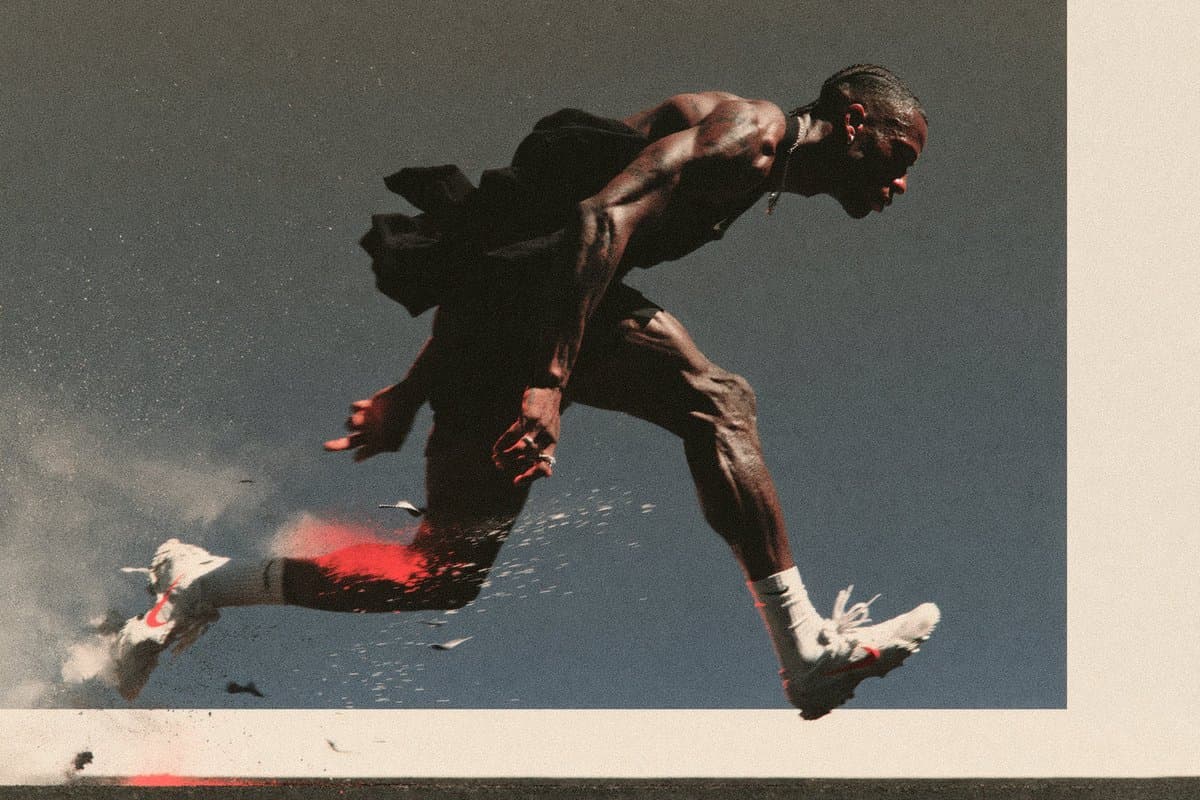
STAGES is also being wrapped in a film-photography visual language. dustinhollywood's branding post says his love of real film photography runs through the STAGES branding aesthetics.
The attached branding set leans into grain, editorial motion, glitch overlays, warm interiors, and distressed type. The STAGES Pro homepage uses the same production-first language, describing the system as built for pro artists and organized around a live command floor.