
Cognition adds Windows VMs to Devin for MSBuild, IIS, and .NET migrations
Cognition added native Windows VMs to Devin so it can build, run, and test Windows applications with MSBuild, IIS, PowerShell, and SQL Server. The rollout lets Devin handle enterprise codebases where Linux sandboxes are not enough.
TL;DR
- Cognition's launch post says Devin can now run in a native Windows VM, which lets it build, run, and test Windows applications instead of staying inside Linux-style sandboxes.
- According to Cognition's toolchain thread, the first Windows-native stack includes MSBuild, IIS, PowerShell, SQL Server, and .NET migration work, which is the part enterprise teams usually cannot fake in a generic container.
- Cognition's Windows page and Cognition's rollout note frame the release around three jobs: mapping and modernizing Windows apps, migrating .NET Framework to .NET Core, and testing Windows software with computer use.
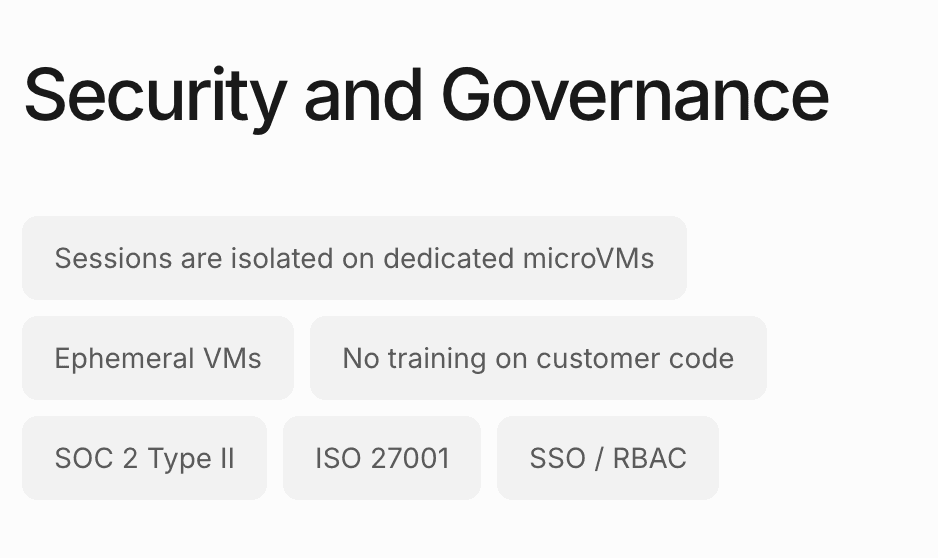
- Cognition's security details adds that Windows sessions keep the same governance pitch as the rest of Devin, including isolated sessions, no customer code used for training, SOC 2 Type II and ISO 27001 compliance, SSO, and RBAC.
- The launch also doubles as a demo of Windows computer use, with Scott Wu's post linking to a public Minesweeper run and Cognition's thread claiming Devin can run and test Windows apps or rebuild them from scratch.
You can jump straight to Cognition's Windows launch page, watch the main launch video, and check the intentionally goofy Minesweeper demo. The interesting bit is not the game, it is that Cognition is pitching Windows support as access to the toolchains large internal codebases actually depend on, from MSBuild and IIS to PowerShell and SQL Server.
Windows VMs
Cognition's core claim is simple: Devin now gets a dedicated Windows VM and can operate inside the OS many enterprise apps were built for.
That changes the scope of what Devin can touch. The launch thread says it can build, run, and test native Windows applications, while a summary post from dabit3 compresses the pitch to one line: Windows support means Devin now builds for the Windows install base, not just web stacks and Linux-friendly repos.
Cognition's own task list on the product page breaks the release into three buckets:
- Map, build, and modernize Windows applications.
- Migrate .NET Framework apps to .NET Core with built-in QA and testing.
- Test and QA Windows apps with Devin's computer use capabilities.
Windows-native toolchains
The more useful detail lives in the follow-up thread. Cognition's toolchain post names the specific systems Devin now works with: MSBuild, IIS, PowerShell, SQL Server, and more.
That list matters because these are not just compilers or shells. They are the environment assumptions behind a lot of long-lived .NET and Windows server software. Cognition explicitly says Devin now works inside "the environment these systems actually depend on," which is a stronger claim than merely opening files on a Windows desktop.
The migration angle is also unusually concrete for an agent launch. Instead of selling general-purpose coding help, Cognition's thread singles out .NET Framework to .NET Core migrations, plus QA and testing, which sounds a lot closer to brownfield modernization work than greenfield vibe coding.
Computer use demos
Cognition also used the release to show Windows computer use, not just terminal access.
The public Minesweeper page is lightweight marketing, but it demonstrates the broader point: Devin is meant to interact with Windows apps through the UI when needed. Cognition's thread says it can run and test Windows applications with computer use, or rebuild desktop apps from scratch.
That is the same framing the launch video leans on. Devin using a Windows VM shows a full Windows environment rather than a narrowly scoped IDE plugin, which puts this closer to hosted remote-computer agents than to autocomplete with a shell.
Rollout and controls
The operational details came in the tail of the thread. Cognition's rollout note said access to Windows VMs would reach customers over the next 24 hours.
The same post bundles the enterprise checklist Cognition wants attached to the feature: isolated sessions, no customer code used for training, SOC 2 Type II and ISO 27001 compliance, SSO, and RBAC. That is a standard control surface for selling into bigger companies, but here it is attached to a more sensitive capability, an agent operating inside a Windows VM with native enterprise tooling.
Early reaction was mostly about execution quality rather than Windows specifics. In raunakdoesdev's post, one user said Devin automations were the first in this category to "nail the UX and execution" after trying Claude and Codex alternatives. That is anecdotal, but it is one of the few same-day usage reactions in the evidence set.