
LangChain opens Managed Deep Agents private beta with deepagents deploy and auth proxy
LangChain opened a private beta for Managed Deep Agents, a model-agnostic deployment layer built on deepagents with durable execution, sandboxes, and a context hub. The release turns deep-agent rollout into a single config-and-deploy flow and adds an auth proxy boundary for agent actions.
TL;DR
- LangChain's beta announcement says Managed Deep Agents is a private beta for model-agnostic deep-agent infrastructure, built on the
deepagentsharness and packaged as managed deployment. - According to LangChain's deploy flow post, the core workflow is
deepagents inittodeepagents deploy, with a live endpoint replacing the usual Dockerfile and infra setup. - LangChain's context hub and sandboxes post says the managed layer versions prompts, memory skills, and subagent definitions, then pairs them with per-thread sandboxes that keep a persistent filesystem.
- The sandboxes match what LangChain described in its LangSmith Sandboxes GA post and in LangChain's sandboxes summary, which highlighted a real filesystem, shell, package manager, and API-key auth.
- LangChain's auth proxy teaser adds a separate boundary-control piece, the sandbox Auth Proxy, aimed at controlling how agent-generated actions reach external systems.
You can jump from LangChain's Managed Deep Agents post to the LangSmith Sandboxes GA post, and LangChain is already pitching the combo as a managed harness plus secure execution boundary. The weirdly useful detail is that the product surface is not just hosting, it is a bundle of versioned context, durable runs, persistent per-thread sandboxes, and a new auth gate for actions that leave the sandbox.
What shipped
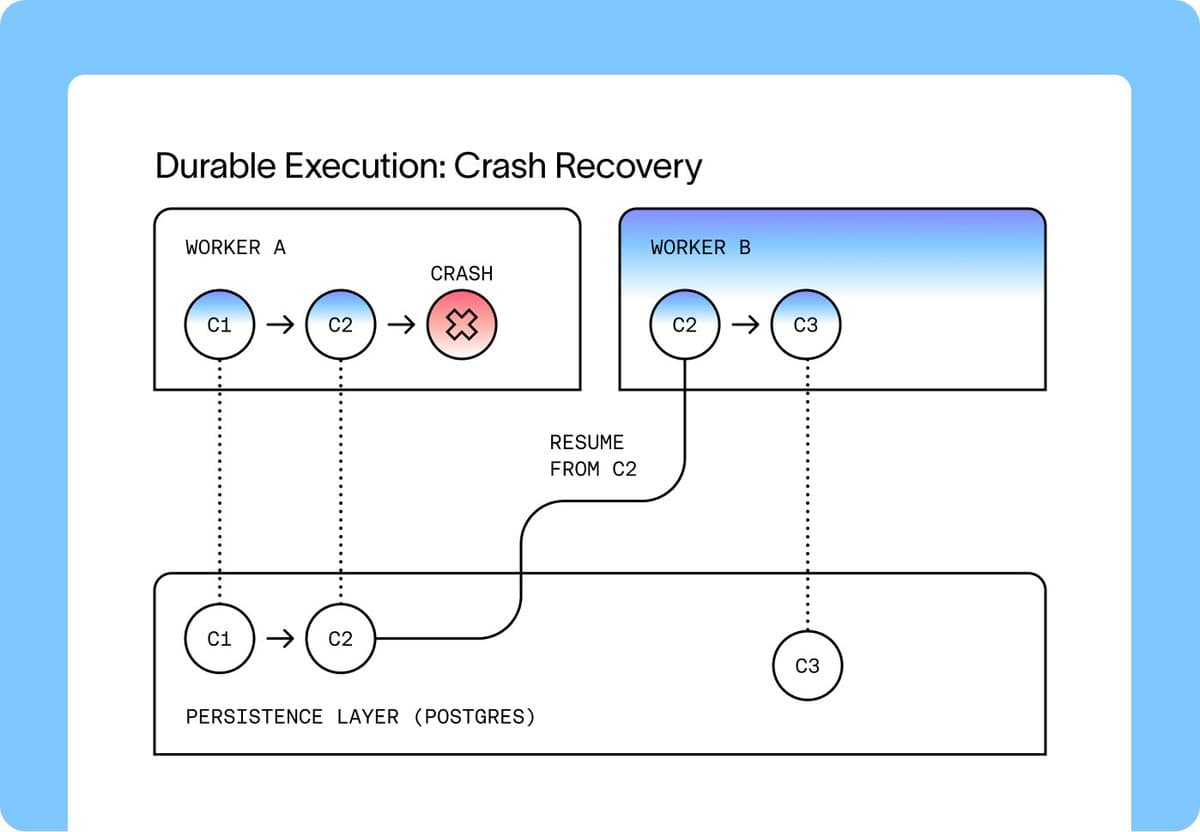
LangChain is turning its open deepagents harness into a hosted deployment layer. The pitch in LangChain's managed harness checklist is four parts: built on deepagents, durable execution, model-agnostic support, and one-line deploy without infra glue.
The deploy path is short enough to fit in a tweet, and LangChain's CLI post makes that the whole point:
deepagents initdeepagents deploy- live endpoint
That makes this a harness story more than a model story. LangChain is selling the runtime around long-running agents, not a new base model or a new agent abstraction.
Context hub and sandboxes
The managed package bundles two separate layers that usually sprawl across repos and infra tickets.
- Context hub
- Sandboxes
LangChain had already shipped the sandbox piece to GA a day earlier. In the LangSmith Sandboxes announcement, mirrored by LangChain's sandboxes summary, the company described the environment as a real filesystem, shell, and package manager that stays isolated from customer infra and works with Deep Agents, Open SWE, or custom code.
That split matters because Managed Deep Agents looks less like a single new primitive and more like a packaging layer over pieces LangChain has been rolling out separately.
Auth proxy boundary
The newest subsystem in the thread is the sandbox Auth Proxy. LangChain described it as “a way to control the boundary between agent-generated behavior and the rest of the world,” which is a tighter framing than generic sandboxing.
The follow-up line in LangChain's application-building framing pushes the same idea from a different angle: streaming agents should feel like application building, not log parsing. Put together, the company is sketching a stack where long-running agents get durable execution, local state, and tool access inside the sandbox, then cross an explicit auth boundary when they need to touch external systems.
That auth-boundary framing is the freshest part of this beta. The deployment command is convenient, but the more interesting reveal is that LangChain is treating agent permissions and outbound actions as a first-class product surface, not a footnote to hosting.