
Nano Banana 2 reportedly adds 4K image output for character sheets and mockups
Posts report Nano Banana 2 now offers 4K image output, and creators are using it for poster systems, hidden-object layouts and character sheets. Higher-res stills should travel better into video, branding and print workflows.
TL;DR
- Nano Banana Pro and Nano Banana 2 reportedly now support 4K image generation, with the update framed as a response to creators saying 4K stills can feed AI video models better than 2K 4K update post.
- Early creator use is clustering around deliverables that benefit from extra detail: hidden-object game art made in Adobe Firefly with Nano Banana 2 hidden-object demo, character design sheets with multiple turnarounds and expressions character sheet demo, and brand poster mockups built as print-like layouts poster workflow.
- The strongest prompt pattern in the evidence is less about style adjectives and more about layout control: specific lens choices, print dimensions, blob-grid systems, material textures, and rules for how products sit inside masks full poster prompt.
- Supporting posts also point to Nano Banana 2 being used as a high-detail image engine inside mixed workflows, including Adobe Firefly outputs macro container prompt and prompt-library-driven character sheet generation prompt library.
What changed
The concrete news is simple: Nano Banana Pro and Nano Banana 2 now appear to offer 4K image output. In the update post, the feature is tied directly to downstream video use, with the claim that some creators were getting better AI-video results from 4K source images than 2K 4K update post. The screenshot in that post shows a quality selector with 1K, 2K, and 4K options alongside batch count and aspect ratio controls, which suggests this is a workflow-level setting rather than a separate model tier
.
The same post uses character-sheet imagery as the showcase output, including a turnaround-style reference sheet and a Mario sheet with multiple angles and detail crops
. That matters because those formats punish soft detail fast: line cleanup, costume materials, and small accessory callouts all need to survive zooming, cropping, or reuse in other tools.
Where the extra pixels are showing up
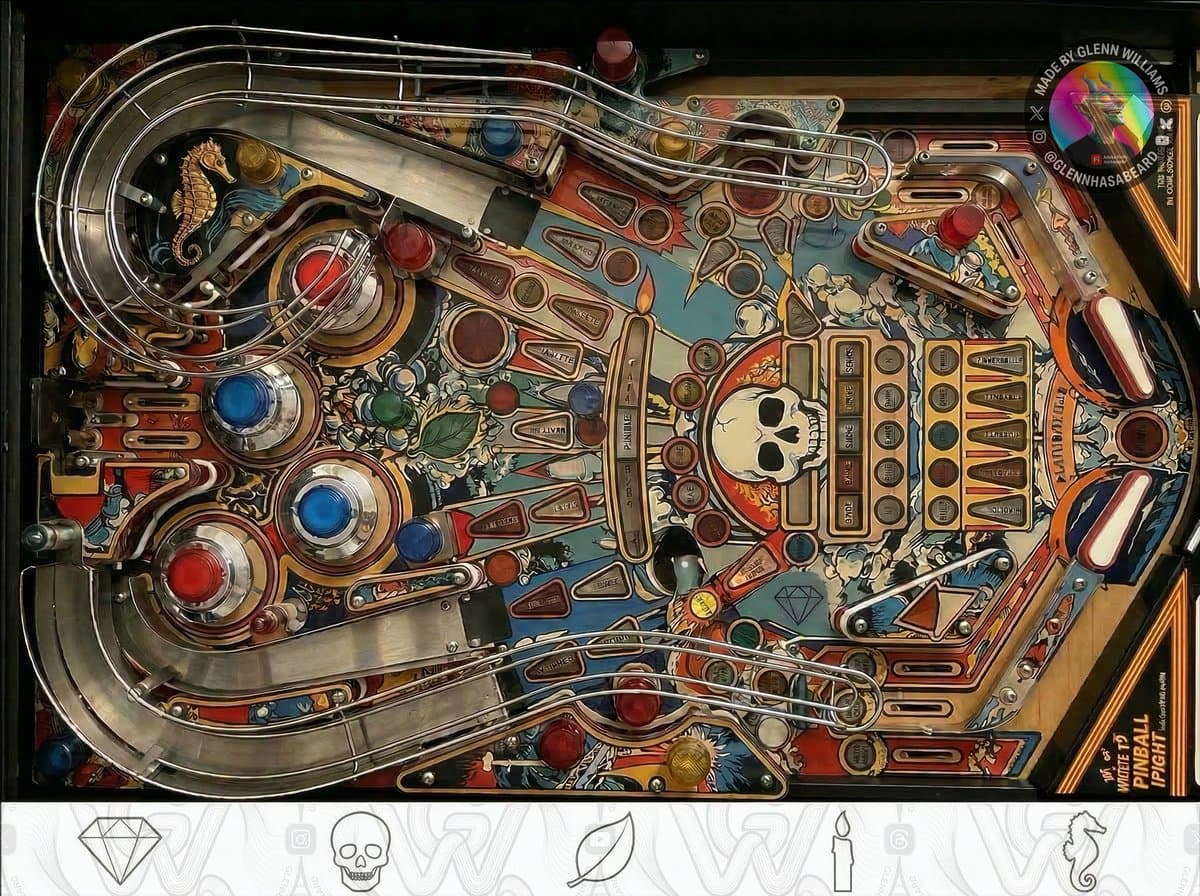
One early use case is dense composition. Glenn Williams' hidden-object image packs a pinball table with ramps, icons, typography, and five target objects, then turns it into a playable “find the objects” layout made in Adobe Firefly with Nano Banana 2 hidden-object demo. This kind of board benefits from higher resolution because tiny prop silhouettes and background art need to stay legible at once.
Another is character development. In one Nano Banana 2 sheet, creator 0xInk says adding personality text — “performs confidence louder than he feels it” — produced a more specific result, with the final sheet breaking out facade vs. reality, mech views, and behavioral variations character sheet demo. The prompt is doing double duty there: reference-sheet structure plus emotional subtext.
Poster and campaign mockups are the third cluster. A retweeted fashion-campaign example shows brand-style ad comps fashion campaign share, while Glenn Williams' “miniature cosmic phenomenon in a container” prompt leans on macro photography language, an 85mm lens, shallow depth of field, and internal light refraction for product-shot polish macro container prompt.
The prompt discipline creators are converging on
The most detailed workflow in the evidence is Amir Mushich's wall-poster mockup prompt. Instead of vague art direction, it specifies citylight dimensions, brutalist concrete, a 4:5 portrait frame, 50mm-equivalent camera, f/8 depth of field, and a brand-color system that should read before the wordmark does poster workflow.
The key compositional rule is that the hero product must live inside a blob mask at the same z-level as the other shapes, with no floating product cutout and no drop shadow cheating full poster prompt. The rest of the prompt locks in production logic: 7–9 blobs, 2–3 texture cells, one outline blob, upper-right daylight, and only two text elements on the poster. Read together with the 4K update, the pattern is clear: creators are using Nano Banana 2 less like a one-shot image toy and more like a controllable layout engine for print, branding, and video-prep stills.