
Nano Banana 2 prompts add JSON scene specs for CCTV shots, cosplay, and retro logos
Creators are sharing structured Nano Banana 2 templates that lock subject, camera, lighting, constraints, and negative prompts for portraits, product looks, and stylized edits. Reuse the schemas when you want repeatable outputs instead of rewriting every detail from scratch.
TL;DR
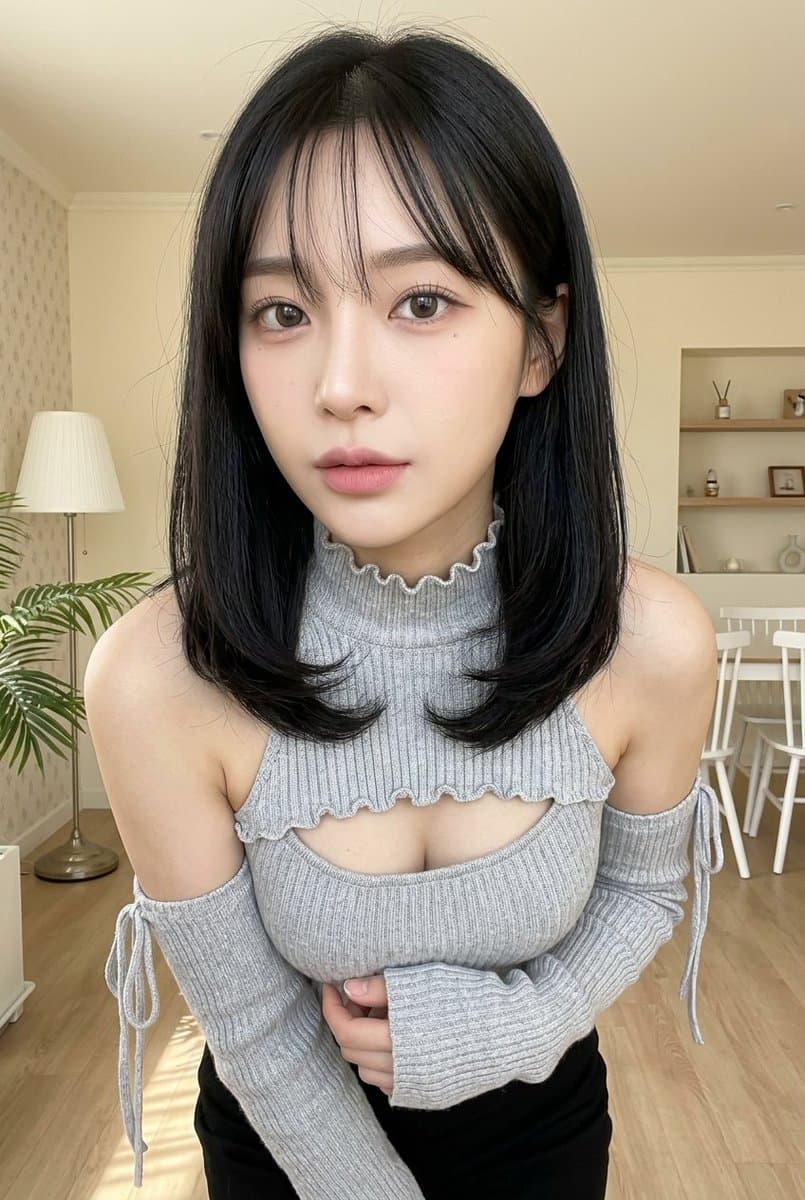
- Nano Banana 2 creators are sharing full JSON-style prompt blocks that specify subject, pose, lighting, environment, constraints, and negative prompts instead of relying on short natural-language prompts, as shown in selfie schema.
- The format is already being used for highly controlled portrait looks, including glossy cosplay setups and warm editorial indoor shots, with separate fields for camera angle, background elements, and artifact avoidance in cosplay template and editorial template.
- Prompt sharing is also moving beyond portraits: one creator posted a reusable magical-realism template built around reflections in glass, while another shared a distortion-focused portrait recipe with heterochromia and optical-glass effects in glass prompt and distortion study.
- Supporting examples suggest the same structured approach works for stylized edits and design work too, from CCTV-style source-image transformations in CCTV example to an '80s-era logo' smart prompt in retro logo.
What the schema locks down
The notable shift here is not a model launch but a prompting pattern: creators are publishing scene specs that read like shot lists. In the cosplay example, the prompt separates subject, hair, body, pose, clothing, accessories, photography, background, vibe, constraints, and negative prompt, which makes the image easier to reproduce or adapt without rewriting the whole concept each time. The selfie prompt in selfie schema uses the same structure for a realistic handheld indoor portrait, down to lamp placement, knit texture, and smartphone-style depth of field.
That structure also bakes in failure prevention. The warm indoor portrait in editorial template explicitly blocks anime styling, extra limbs, plastic skin, busy rooms, and over-retouching while preserving natural anatomy and shallow-depth editorial lighting.
Where creators are using it
The most interesting use cases are the ones that turn the template into a remixable recipe. Glenn Has A Beard's glass prompt is basically a prompt skeleton: swap in the subject, glass type, impossible reflected scene, and light colors, while keeping the same low-angle, fingerprint-on-glass composition.
Other posts show the format stretching into effect-driven and utility-driven work. The distortion thread in distortion study pairs a black-and-white refracted profile with a macro heterochromia close-up, both described through optical treatment rather than just subject matter. And the CCTV example in CCTV example applies structured instructions to an uploaded image, asking for face boxes, a connected inset zoom, muted surveillance noise, and no extra overlays. Even branding experiments are getting the same treatment, with retro logo reducing an '80s-era logo' look to a reusable smart prompt workflow.