
Nano Banana prompt library opens 353 templates for packaging, 3D remakes, and cake ads
A public Nano Banana prompt library opened with 353 reusable templates for packaging concepts, 3D remakes, cake ads, and related formats. Save the prompts as frameworks and swap one variable at a time instead of rewriting from scratch.
TL;DR
- A public Nano Banana prompt library is live with 353 reusable templates, positioned as a shared bank of prompt frameworks rather than one-off examples, according to the library post and its linked prompt library.
- The strongest creator takeaway is modularity: the packaging prompt from Amir Mushich's thread is built to swap variables like brand, category, material, and geometry instead of rewriting the whole setup.
- Early examples show the library spanning ad-style image recipes, from monument cake concepts to niji-to-3D remakes, with consistent instructions for camera, lighting, and composition.
- The prompt style is unusually specific about production constraints; one library example locks mirror perspective and anatomy, while another example fixes phone-camera look, low-light noise, and framing for selfie realism.
What’s in the library
The linked Nano Banana prompt library is less a gallery than a prompt system. The examples shown in public posts are written like creative briefs: they specify subject, lens, lighting, texture, framing, material behavior, and negative constraints, then leave a few variables open for the user to swap.
That structure is clearest in the packaging template from Mushich's post. It keeps the composition fixed — pure white background, one hand demonstrating the object, one static hero product beside it, soft gray shadows, editorial spec text — while letting creators change brand, category, and object design language. The result is a reusable layout for concept boards, mock ads, and industrial-design pitches rather than a single finished image.
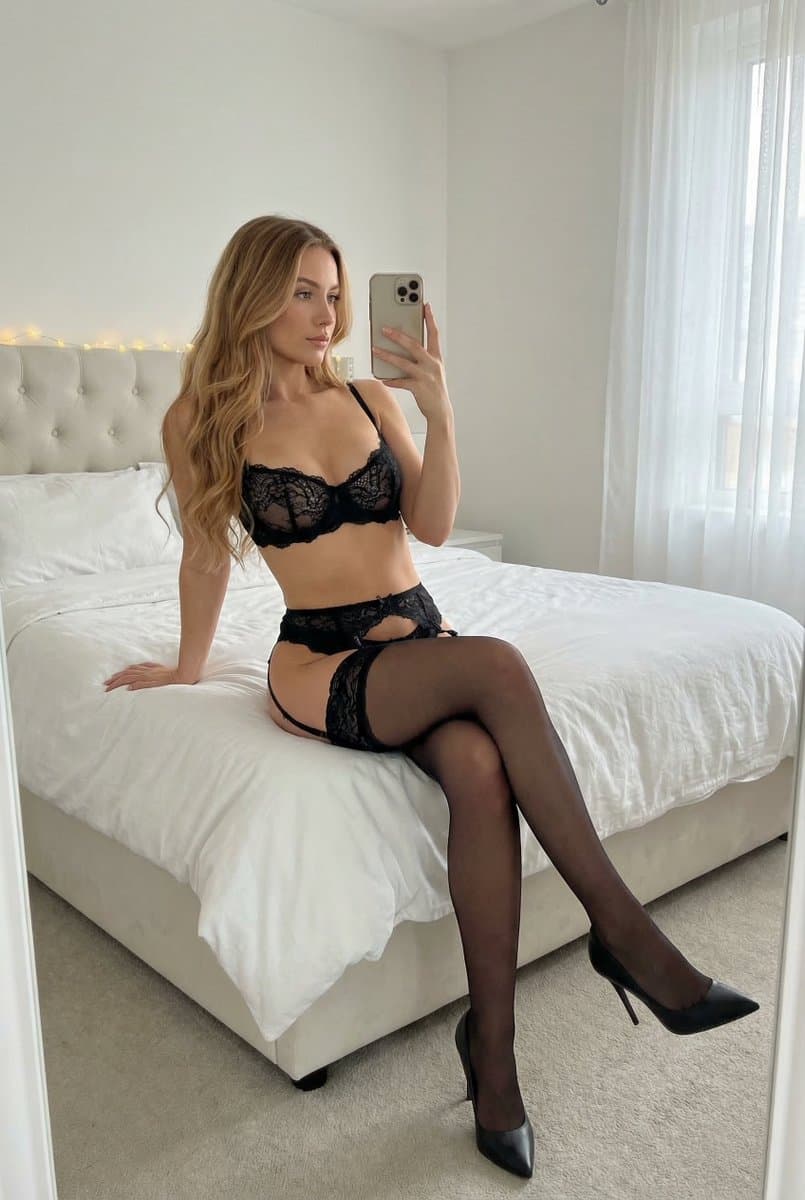
The same pattern appears in the library's more photographic prompts. In a mirror-selfie example, the prompt explicitly guards for believable reflection logic, single anatomy, room perspective, and natural daylight. That level of constraint is what makes these templates portable: you can keep the camera logic and replace the subject or styling.
What creators are already making with it
The community examples point to three high-yield use cases. First: ad-ready surreal product shots. DrSadek's cake prompt turns a famous monument into a luxury cake photo by keeping the camera package fixed — Sony A7III, 85mm, f/2.8, centered square composition — and swapping only the monument variable.
Second: style translation. Underwood Xie's conversion uses Nano Banana Pro to turn a Niji character into a cinematic 3D render while preserving the original framing, then adds filmic color science, subtle halation, and realistic materials. That is a useful template for turning flat character art into key-art, poster, or teaser-render variants.
Third: controlled realism. the low-light selfie prompt shows how far the prompts go in specifying device look and image defects: iPhone front camera, low-light noise, cool screen glow, soft focus, and "not studio" texture. For creators, the larger lesson is that these prompts behave like production recipes: lock the shot design first, then change one variable at a time.