
Nano Banana 2 adds structured JSON prompts for six-photo genre tests
Creators mapped Nano Banana 2 with explicit lens, lighting and pose specs across cinematic, street, sports, editorial, portrait and astrophotography tests. The same structured prompting style is also being used in brand-ad and apparel pipelines for reusable asset production.
TL;DR
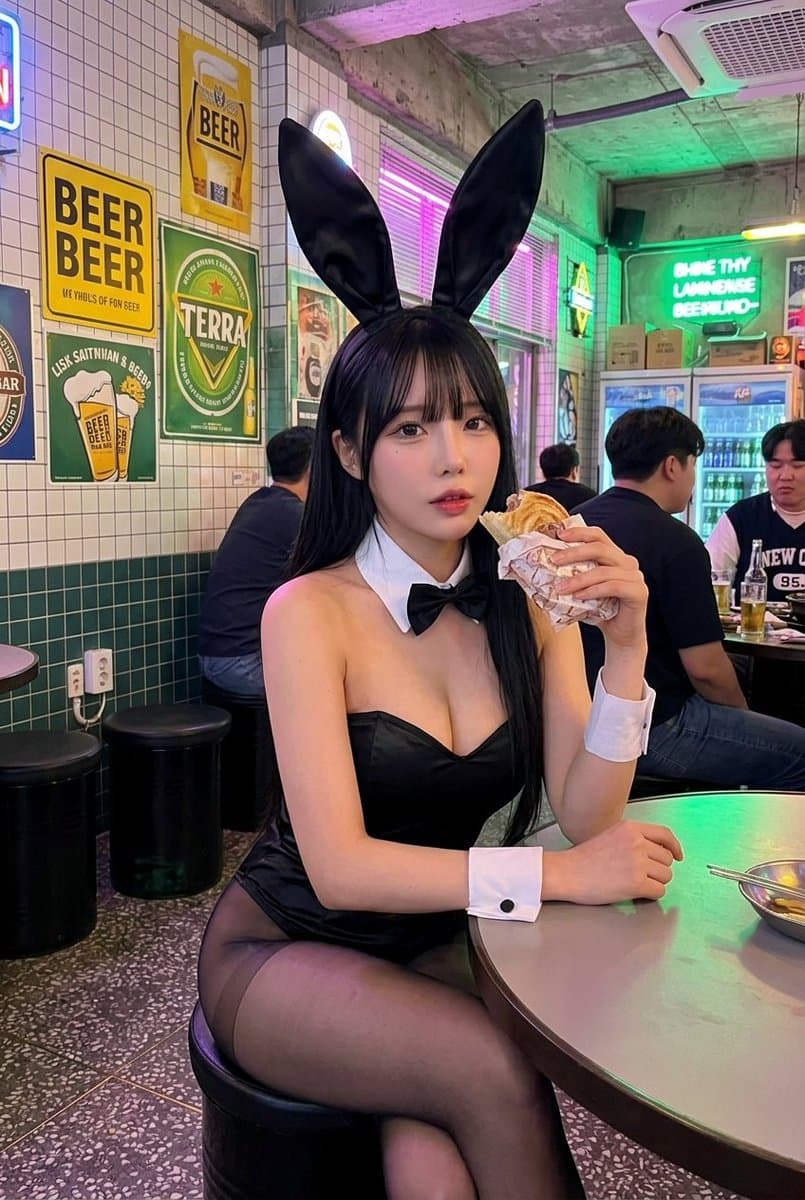
- Creators are pushing Nano Banana 2 with unusually explicit prompt structures, down to expression, camera angle, lighting mix, wardrobe constraints, and negative prompts, often formatted as JSON rather than plain prose structured nightlife prompt.
- One six-image test kept the same model and swapped only photographic grammar, covering cinematic, street, sports, fashion editorial, environmental portrait, and astrophotography, with lens and exposure specs embedded in the prompts six-style overview astrophotography example.
- Leonardo’s own docs line up with that workflow: Nano Banana 2 supports up to six reference images, fixed seeds for consistency, preset style IDs, and 4K output sizes across common aspect ratios in the API Leonardo Nano Banana 2 docs.
- The same prompt discipline is showing up in production work, including an apparel ad-banner pipeline that chained 3D inputs, Claude prompt writing, Nano Banana generation, Topaz upscaling, and a second Nano Banana pass for resizing apparel pipeline.
- A separate brand prompt shared the other end of the spectrum, a multi-phase art-direction brief that asks the model to choose an iconic brand object, stage a human interaction, and layer drawn graphics around a photographic cutout mixed-media campaign prompt Leonardo prompt guide.
You can browse Leonardo’s prompt guide and API docs, then compare them with a public Nano Banana prompt library that is already collecting structured examples for ads, portraits, and character sheets. One creator also says PromptsRef now exposes an AI Effects panel and direct Nano Banana Pro access on-site, alongside a tip to generate 4K stills before turning them into video PromptsRef AI Effects post.
JSON prompt blocks
The most revealing example in the evidence pool is basically a shot bible serialized as JSON. It breaks the image into subject, hair, body, pose, clothing, accessories, photography, background, vibe, must-keep constraints, and a negative prompt list structured nightlife prompt.
That structure matters because it separates stable identity from variable staging. Face preservation, makeup, bunny-costume details, and bar setting all sit in their own fields, which makes the prompt easier to reuse than one long paragraph.
Leonardo’s own framing points in the same direction. Its prompt guide says standard Nano Banana works well with descriptive subject, action, context, and stylization, while Nano Banana Pro is better suited to structured, detailed instructions for more complex compositions.
Six photo genres
The clearest creative test here is not about style adjectives, it is about photographic syntax. PZF kept one model and changed the scene rules for six genres six-style overview.
The thread breaks out the genres like this:
- Cinematic: color temperature separation, negative space, wide framing, 35mm feel cinematic frame
- Street: tilted frame, mid-gesture subject, cyclist blur, harsh midday contrast street frame
- Sports: 400mm sideline compression, low angle, 1/1600 freeze, shallow depth of field sports frame
- Fashion editorial: hard flash, brutalist concrete, medium-format sharpness, confrontational pose fashion frame
- Environmental portrait: rule-of-thirds composition, soft natural light, subject and workspace sharing the frame environmental portrait
- Astrophotography: long-exposure sky, separately lit subject, ultra-wide 24mm composition astrophotography example
The interesting part is how little “style” language these prompts need once the camera logic is explicit. Lens choice, shutter speed, framing, and light source do most of the work.
Ad banner pipeline
Amir Mushich described a client pipeline for apparel banners that starts with 3D assets and a brief, routes prompt writing through Claude, generates scenes and characters with Nano Banana, upscales in Topaz, then returns to Nano Banana for resizing apparel pipeline.
He says the annoying part was repeated character and camera fine-tuning, which is exactly where the more modular prompting style starts to make sense. Instead of rewriting taste from scratch, the pipeline can preserve a reusable camera-and-character spec and swap only the campaign inputs.
The official API also supports some of that repeatability. Leonardo’s Nano Banana 2 docs expose fixed seeds for consistency, up to six reference images with adjustable strength, and 1K, 2K, and 4K dimension pairs, including 4096 by 4096 for square outputs and 3584 by 4800 for 3:4.
Mixed-media campaign prompt
Mushich’s other prompt is even more explicit about decomposition. It is written as five phases: canvas and color system, autonomous object selection, scene staging, supporting illustration system, and lighting mixed-media campaign prompt.
A few details stand out:
- The model has to choose one iconic physical brand object before composing the scene.
- The human subject must physically interact with that object, holding it, wearing it, standing on it, leaning on it, or emerging from it.
- The illustrated object has to span multiple depth layers, with parts behind and in front of the photographic subject.
- The prompt limits the palette to hero color variations plus white illustration, then adds manga-style impact marks, motion lines, and ground effects.
That is less like prompt writing and more like packaging an art director’s shot list into reusable fields. Combined with public libraries like PromptsRef, which is already indexing Nano Banana prompts for ad design, portrait photography, and other formats, it suggests the creative edge is moving toward prompt systems people can rerun, not one-off magic sentences.