
Seedance 2.0 supports 2-photo shots and multi-character refs
Creators shared Seedance 2.0 workflows across Freepik, Topview, Dreamina, OpenArt, Arcads, and InVideo, from 2-photo shots to multi-character scenes and scripted one-take prompts. Reuse reference images, timed prompt blocks, and cleanup passes if you want more consistent results than one-shot generation.
TL;DR
- Karen X. Cheng showed a Seedance 2.0 clip built from just two photos, while ProperPrompter showed the same release holding multiple referenced characters in one anime fight scene.
- Freepik's Seedance 2.0 page says the model supports image, video, and audio references, precise camera control, and multi-shot storytelling with consistent characters, which lines up with the creator examples in ProperPrompter's launch post and Artedeingenio's noir city test.
- The prompt style that kept surfacing was closer to a shot list than a caption: Alla Aisling wrote a nine-shot disaster sequence, Artedeingenio scripted a 15-second single take beat by beat, and Freepik's prompting guide recommends 100 to 260 words plus tagged reference assets.
- Seedance 2.0 is already getting wrapped inside creator tools and ad platforms, with Allar Haltsonen using it inside InVideo, Anima Labs pairing it with Arcads and Claude for ad concepts, and Artedeingenio pointing to Topview's pricing page for less restricted access.
You can browse Freepik's rollout page, steal Freepik's own prompting framework, and compare it with CapCut's Dreamina Seedance 2.0 rollout note. Then the fun starts: a two-photo transformation in OpenArt partner Karen X. Cheng's post, multi-character reference sheets in ProperPrompter's thread, and a free Motion Brief GitHub project built to turn brand images into Seedance-ready prompts.
Freepik's rollout is about references, motion, and multi-shot control
Freepik's official landing page frames Seedance 2.0 around three specific controls: image, video, and audio references; explicit camera movement; and multi-shot stories with consistent characters. Its prompting guide adds one concrete mechanic that matters for workflow builders: up to 14 assets can be combined with an @tag reference system.
That matches what creators immediately tested in public. ProperPrompter's launch example went straight for fast-cut anime action, while CapCut's rollout note described the same model family entering Dreamina as a phased release for paid users in selected countries.
Multi-character reference sheets already work
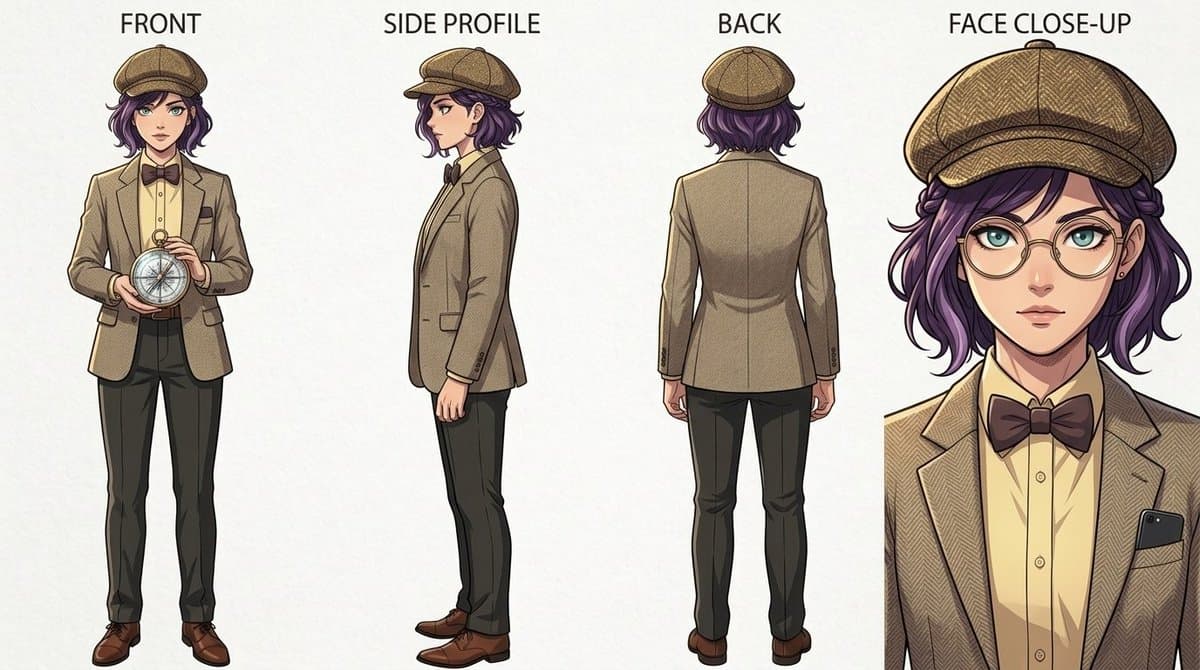
ProperPrompter's thread is the clearest early recipe for character consistency. The setup is simple: attach reference sheets for each character, then describe the action for the scene.
The useful part is the asset format. The thread uses turnarounds and face close-ups, not casual stills, for each character. That lines up with Freepik's reference-heavy prompt guidance, and it helps explain why the generated fight clip keeps the cast readable even with rapid cuts.
Two-photo shots are already part of the playbook
Karen X. Cheng pushed a different angle: one Seedance 2.0 clip built from only two photos inside OpenArt. The result is short, but it suggests creators do not need a full storyboard pack to get a usable transition or stylized reveal.
That same low-input pattern shows up in commercial work. Allar Haltsonen published a spec luxury ad made with Seedance 2.0 inside InVideo, turning a watch-and-car concept into polished product footage without presenting a large reference stack.
Shot lists beat one-line prompts
The strongest Seedance prompts in this evidence pool read like miniature production documents.
- Alla Aisling wrote nine sequential shots for a spatial void chase, including camera position, cut rules, and the exact failure mode of the world.
- Artedeingenio scripted a 15-second single take in timed blocks from 0 to 15 seconds, then added motion and lighting constraints.
- Ege Berkina pushed the format into ad absurdity with a one-take burger-monster commercial that specifies the hook, the transformation beat, and the branded ending.
Freepik's prompting guide describes the model as something you direct rather than merely describe. These examples are what that looks like in practice.
Seedance is already getting wrapped into creator pipelines
The interesting distribution story is not one app winning. It is Seedance getting slotted into different production stacks.
- Anima Labs used Arcads plus Claude plus Seedance 2.0 for a product ad workflow: concept image, idea variations, script refinement, generation, edit.
- Artedeingenio pointed subscribers to Topview's pricing page, which advertises unlimited Seedance 2.0 on some annual plans alongside Seedream 5.0 and Nano Banana.
- Amir Mushich published Motion Brief on GitHub, a free Claude project that turns brand images into production-ready Seedance 2.0 prompts and packages them with sales and marketing materials.
That last piece is probably the tell. People are already building reusable prompt systems around Seedance 2.0, not just posting isolated demo clips.