
Techhalla opens 2D sprite workflow with Niji 7, Nano Banana, and Grok
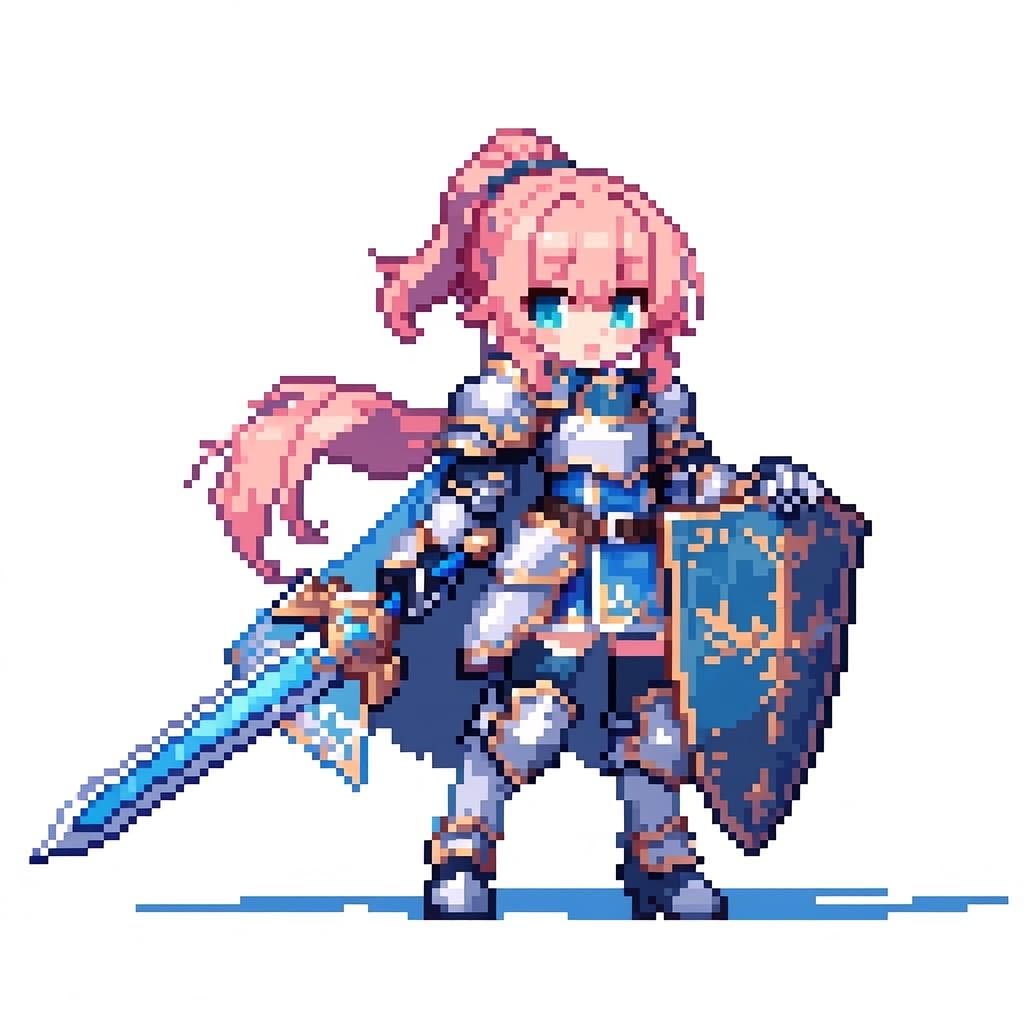
Techhalla posted a compact sprite workflow: generate a Niji 7 character, build a 3x3 pose sheet in Nano Banana, then animate it in Grok. Try it as a starting point for solo game art tests and idle loops.
TL;DR
- Techhalla says it has a full tutorial and app link for a solo-dev sprite pipeline, framing it as a compact AI workflow rather than a one-off demo tutorial post.
- The clearest recipe in the evidence comes from sprite method, which chains Niji 7 for character generation, Nano Banana for a 3x3 pose sheet, and Grok for the final idle-style animation.
- Techhalla also boosted a related claim that “AI 2D sprites are solved,” suggesting this workflow is landing in a broader maker conversation around repeatable web-game asset production retweet.
- The supporting demo includes both the exact prompts and a short output clip, so the value here is less “AI can animate” and more “here is a reproducible handoff between three tools” demo thread.
What the workflow is
Techhalla's post points readers to a full tutorial and app link, but the most concrete build steps come from sprite method. The sequence is simple: generate one pixel-art character in Niji 7 with a square aspect ratio, ask Nano Banana for a pure-white 3x3 grid showing nine side-view poses of that same character, then prompt Grok to interpret the sheet as an idle animation with subtle frame-to-frame motion.
That matters because the workflow splits the job into three clean stages: style creation, pose consistency, and motion. The sprite animation clip shows the kind of lightweight loop this produces.
Why this is useful for solo game art tests
The strongest part of the method is that it treats sprite work as a handoff problem, not a single-prompt problem. The Niji 7 prompt locks the initial look; Nano Banana is used for pose variation on one character; Grok is only asked to add movement rhythm to an already-structured sheet. tool page and its duplicate listing in tool summary also position Nano Banana as a consistency-focused model, which fits that middle step.
Techhalla's retweet oversells the result as “solved,” but the evidence does show a practical starting point for testing idle loops, placeholder characters, and quick web-game prototypes without drawing every frame by hand.