
World Labs Atlas converts Midjourney 8.1 images into textured 3D models
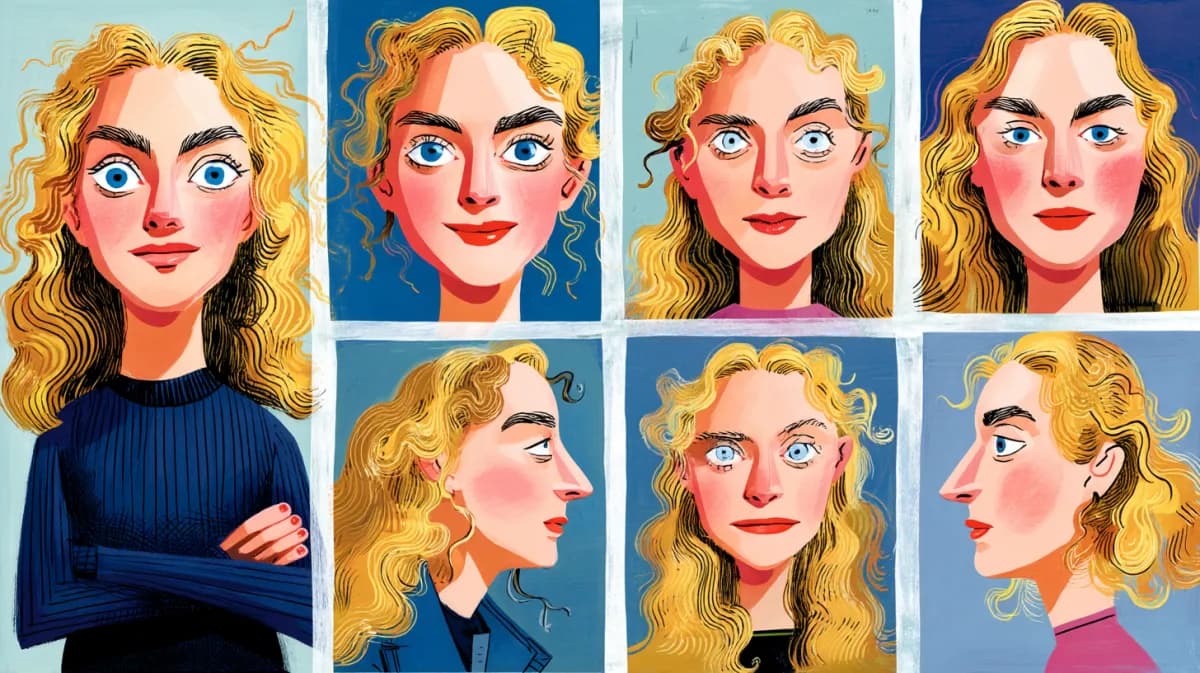
Erik Luo demonstrates Atlas turning Midjourney 8.1 images into textured, rotatable 3D characters and a stylized room. He reports better output from AI-generated inputs.
TL;DR
- Atlas turned Midjourney 8.1 images into textured, rotatable characters and a stylized room in LuoErik8lrl's demo.
- Results vary by task: Luo praised AI-generated inputs in a reply, while bennash reported failed first attempts at an apartment-tour-style scene.
- Beta access is rolling out, according to LuoErik8lrl, who said applications were still open.
Atlas can invent connecting spaces between unrelated reference images, including hallways and doorways. Its beta documentation also describes masked edits across multiple viewpoints, with black pixels marking what changes and white pixels preserving the image.
Midjourney concepts to Atlas
Erik Luo used Midjourney 8.1 for the input art, as his thread confirms. After getting access to Atlas, he declared image-to-3D “basically solved.”
The concept-to-3D handoff is a delight; Luo called Atlas “magic” in a follow-up.
Camera poses and masked edits
Atlas's documented API workflow has three stages:
- Pose the images.
images2PosedRGBDreturns each image with an estimated camera and depth map. Together, these describe its color, viewpoint, and visible geometry. - Generate new views.
atlasGeneratetakes those posed views ascontextFramesand renders at specifiedtargetCameras. SettingreturnDepth: truesupplies depth alongside the new images, allowing them to become context for subsequent requests. - Edit objects.
atlasMaskedremoves, replaces, or adds objects across posed views. Each image gets a grayscale mask and a matching target camera; the mask covers the object in every affected view.
World Labs warns that geometry or appearance errors in generated views can carry into later requests.
Point clouds, splats, and GLB
Atlas supports two explicit 3D output types, according to World Labs:
- Point clouds: estimates of scene geometry, assembled from images and depth.
- Gaussian splats: complete scenes that render on-device at high resolution and frame rates.
The splats2Mesh task adds a conversion route from an existing Gaussian splat scene to a GLB mesh, with optional textures or vertex colors. The documented mesh conversion is a separate operation from generating new views.
Concept art, Blender, and gameplay
In a separate game-environment discussion, kiaran_ritchie credited the creator with doing the world-building in the concept image. He also described the work remaining around an AI-generated environment:
- Editing: the environment was already in Blender and could be tweaked, according to a follow-up reply.
- Narrative: generating the environment need not give AI control of the story.
- Gameplay: he said there was “no chance” of one-shotting decent gameplay, while calling the tools “a big accelerant” in skilled hands.
AI images and apartment tours
For AI-generated inputs, Luo said in a reply, “I find Atlas’s output is better.” He also expected real photos to work well.
bennash reported a “total failure” on his first few attempts to make something resembling a Matterport tour of his apartment.
For reconstruction, World Labs' input guidance specifies:
- Sharp images with overlapping views of the same location.
- A mostly static scene.
- Similar exposure and lighting across images.
World Labs also says Atlas imagines regions absent from the inputs; additional photos give it more observed context.
Beta access
World Labs opened early access to select partners in its September 1 announcement, with an access-request form. By Luo's account, people could still apply for beta testing, and Atlas was rolling out.
Luo's public-release prediction included “I think” and no date. The beta API reference publishes task schemas, while the workflow docs say task availability depends on the account.