
Claude Code reports 1-year GA workflow shifts: auto mode, routines, /usage
Anthropic staff said Claude Code usage has shifted toward auto mode, routines, and phone-based coding one year after GA, and they pointed users to /usage for token breakdowns. The thread matters because it shows Anthropic’s intended daily-driver workflow as community comparisons with Codex intensify.
TL;DR
- One year after Claude Code went GA, Boris Cherny said his own workflow has shifted toward auto mode, routines, and coding from his phone, according to bcherny's one-year lookback and ClaudeDevs' interview post.
- Official docs back that shift: the CLI reference shows auto mode is now part of the default permission-mode cycle, while the common workflows docs position Routines as Anthropic-hosted scheduled automation.
- Cherny's earlier thread on long-running Opus sessions made the same stack more explicit, with auto mode, dynamic workflows,
/goalor/loop, cloud sessions, and self-verification all listed as ingredients for multi-hour agent runs bcherny's five tips thread. - The mobile angle is not just a vibe. Claude Code on the web and Remote Control both describe browser and phone workflows that persist across devices, which matches Cherny's claim that he now does most of his coding from his phone bcherny's one-year lookback.
- A small but useful detail from the replies, bcherny's /usage reply said
/usagenow shows which skills, MCPs, and plugins are burning tokens, and bcherny's update reply added that some confused users were simply on an old client version.
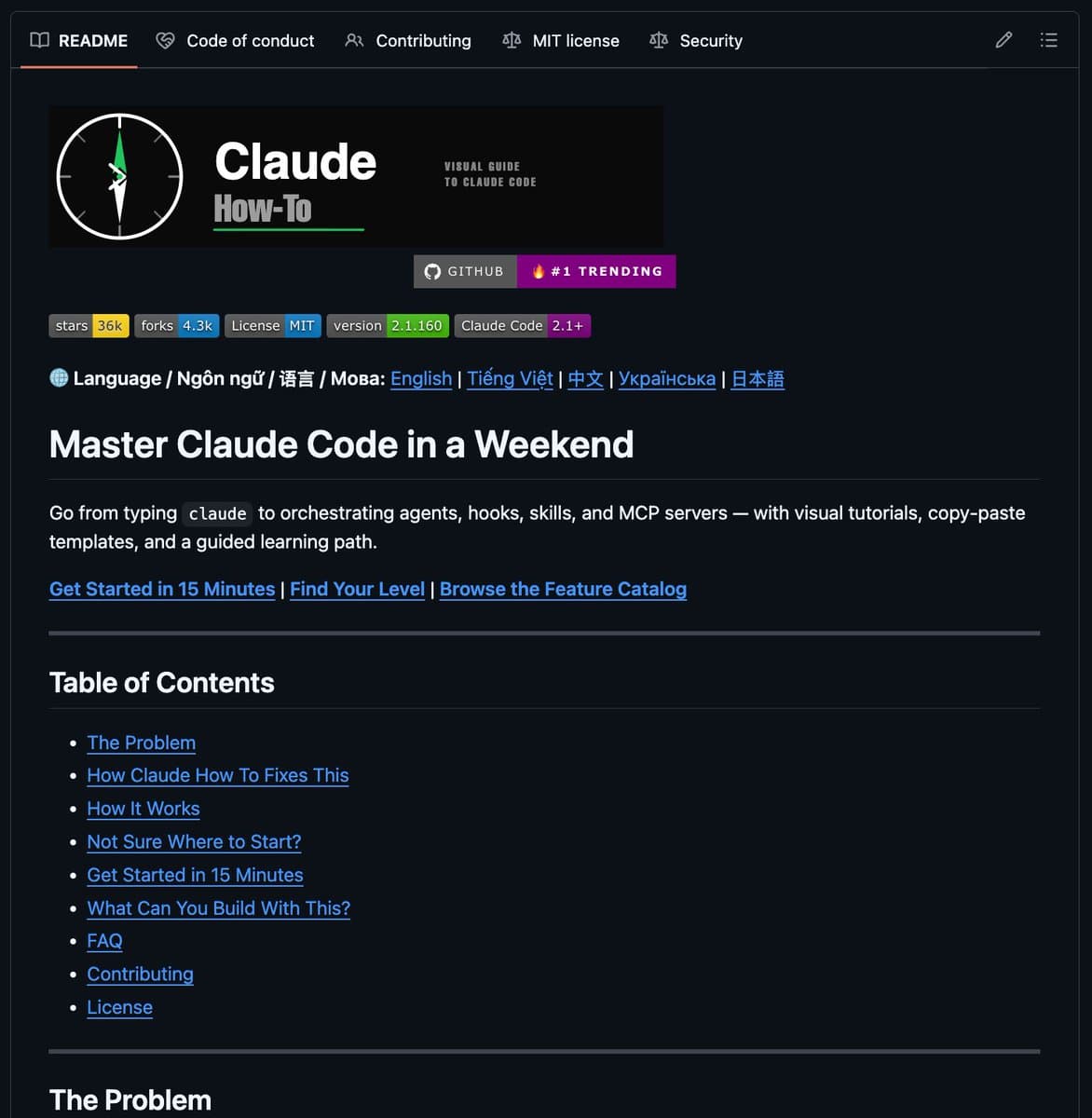
You can watch the full interview, check the workflow docs, and compare that official picture with a community-built Claude How To guide that is already packaging slash commands, hooks, MCP servers, subagents, and plugins into a more visual playbook.
Auto mode
Cherny's clearest one-line update was that he now uses auto mode instead of plan mode bcherny's one-year lookback. In a reply, he put it even more bluntly, saying he just did not find himself using plan mode anymore bcherny's plan mode reply.
That lines up with the product surface Anthropic has shipped. The CLI reference says the old --enable-auto-mode flag was removed in v2.1.111 because auto mode now lives in the default Shift+Tab permission cycle, and the settings docs expose an autoMode config with allow, soft-deny, and hard-deny rules.
The interview summary adds why Anthropic seems comfortable pushing that mode harder: the YouTube interview page says the team discussed internal red teaming, evals, and transcript review for auto mode safety.
Routines and loops
The most interesting workflow change is that Claude Code is drifting from request-response coding toward persistent automation. Cherny's interview post says routines fix bugs before he sees them bcherny's one-year lookback, while his earlier Opus thread described the operating recipe in a tighter list bcherny's five tips thread.
That list breaks into five concrete pieces:
- auto mode for permissions bcherny's five tips thread
- dynamic workflows to orchestrate hundreds or thousands of agents bcherny's five tips thread
/goalor/loopto keep runs going until completion bcherny's five tips thread- cloud sessions so the job keeps running after you close the laptop bcherny's five tips thread
- end-to-end self-verification through browser, simulator, or service-level checks bcherny's five tips thread
Official docs now give that stack a formal product frame. The common workflows page says Routines run on Anthropic-managed infrastructure, can trigger on schedules, API calls, or GitHub events, and are meant for tasks like morning PR review, dependency audits, or overnight CI checks.
Phone and cloud
Cherny's "I do most of my coding from my phone now" line sounded like bait until the docs caught up with it bcherny's one-year lookback. Anthropic now has two separate ways to make that sentence literal.
Claude Code on the web runs in Anthropic-managed cloud infrastructure, lets you submit tasks from a browser or the Claude mobile app, and keeps sessions persistent across devices. Remote Control is the other path: it keeps the session on your own machine but lets you continue it from a phone, tablet, or browser with your local filesystem, tools, and MCP servers still available.
That helps explain the other half of Cherny's long-run thread, where he said cloud use is the easiest way to close your laptop during autonomous work bcherny's five tips thread. The product is increasingly optimized for supervision from somewhere else, not constant terminal babysitting.
/usage and the unofficial playbook
One of the better reply-thread reveals was tiny. When users asked where their tokens were going, Cherny pointed them to /usage, saying it shows a detailed breakdown of which skills, MCPs, and plugins are consuming tokens bcherny's /usage reply.
He also told one user to run claude update, because the version they were on was "very old" and missing the feature bcherny's update reply. On a fast-moving tool, that is half the story: the intended workflow may already exist, but only on the latest client.
The ecosystem is filling in the onboarding gap around that pace. hasantoxr's Claude How To post pointed to Claude How To, a community guide that covers slash commands, memory, hooks, MCP servers, subagents, skills, plugins, and advanced workflows. That list is useful because it reads like the real Claude Code stack in 2026: less prompt craft, more harness design.