
Leonardo supports GPT Image 2 storyboard sheets for Seedance 2.0 shorts
Creators showed a Leonardo workflow where GPT Image 2 builds storyboard sheets and Seedance 2.0 turns them into animated shorts. It matters because storyboard and character-sheet references are becoming the repeatable layer that stabilizes Seedance pipelines across multiple host tools.
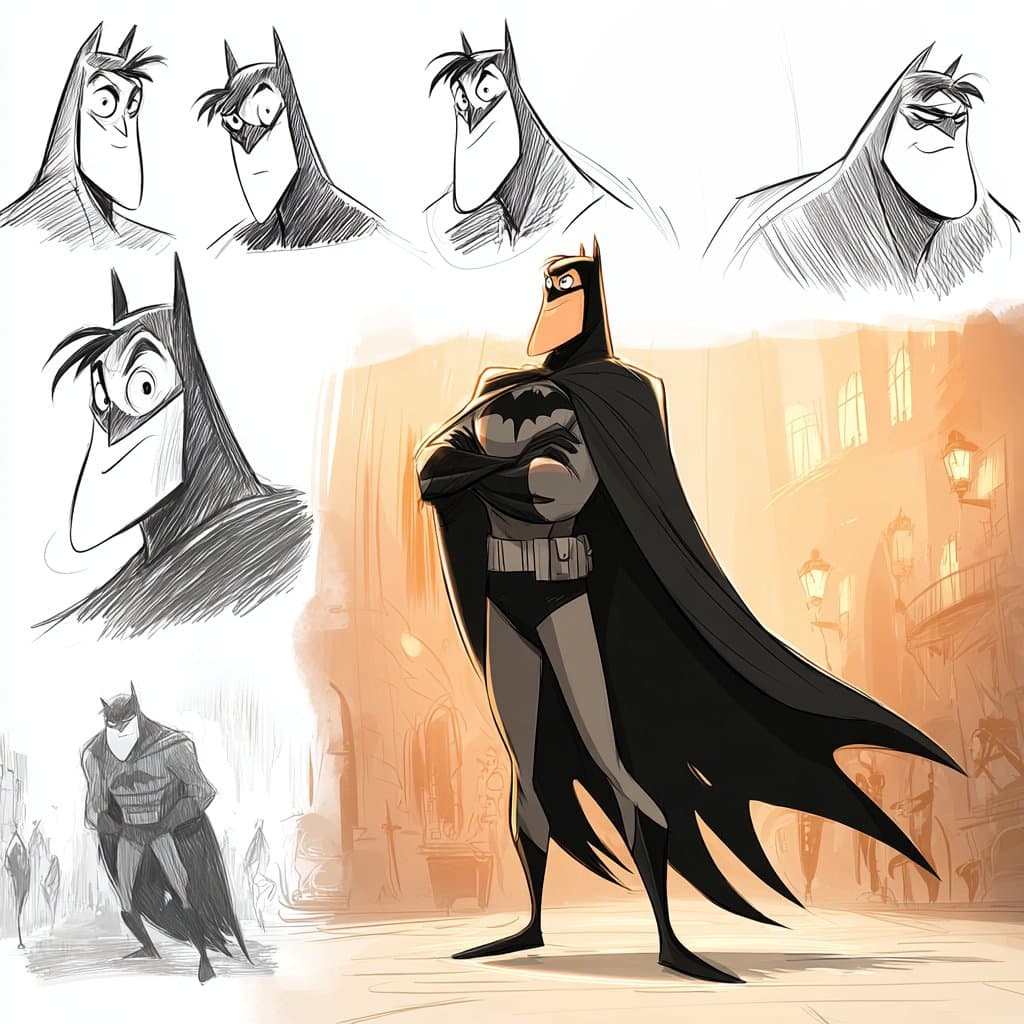
TL;DR
- Creators spent this week turning GPT Image 2 storyboard sheets into Seedance 2.0 shorts inside Leonardo, with MayorKingAI's workflow post showing the clearest end-to-end example and MayorKingAI's Leonardo link post pointing straight to Leonardo.
- The useful pattern is not just text-to-video. MayorKingAI's prompt breakdown used a storyboard image as a reference plus a shot-by-shot timeline, while Artedeingenio's Olympus thread used the same storyboard-first structure for longer cinematic sequences.
- Character sheets are becoming a parallel control layer. Artedeingenio's character-sketch post said Seedance 2.0 character sheets and storyboards were already getting popular, and awesome_visuals' Midjourney plus Seedance clip showed the same reference-led pipeline in a separate stack.
- Seedance 2.0 is also spreading across host tools, not just one app, according to 0xInk_'s InVideo post, AllaAisling's Runway post, and Artedeingenio's Mitte post.
You can watch MayorKingAI's Leonardo demo, read the full shot list in the follow-up prompt post, and compare it with Artedeingenio's mythology storyboard method. Outside Leonardo, creators were already running Seedance 2.0 through InVideo, Runway, and Mitte, which makes the storyboard sheet look less like a one-off trick and more like the reusable asset in the pipeline.
Leonardo storyboard sheets
MayorKingAI's example is simple and useful: GPT Image 2 makes the storyboard sheet, then Seedance 2.0 turns it into the final animated short, all inside Leonardo.
The thread matters because it separates two jobs that often get mushed together in AI video demos:
- GPT Image 2: characters, shots, camera moves, timing, visual direction
- Seedance 2.0: motion pass from the reference sheet
- Leonardo: the host surface where both steps happen, per Leonardo
Shot lists are part of the prompt
The follow-up post included the actual Seedance prompt, and it reads more like a mini production board than a vibe prompt.
The structure is unusually explicit:
- Cinematic setup and look
- Character definitions
- Locked location
- A second-by-second timeline from 0 to 15 seconds
- A continuity instruction to keep the same characters and street
That same structure shows up in Artedeingenio's Olympus breakdown, which used one storyboard per 15-second clip, a no-cuts instruction, camera choreography, and a final frame target before finishing the edit in CapCut and the audio in Suno.
Character sheets are becoming reusable references
One of the clearest signals in the evidence pool came from Artedeingenio, who said character sheets and storyboards for Seedance 2.0 were "becoming so popular" and built a Midjourney style specifically to generate character sketches that would hold up in later animation.
A separate creator pipeline in awesome_visuals' clip used Midjourney, Seedance2, and CapCut to bring a character to life, which points to the same idea from a different tool stack: the stable reference image is doing a lot of the consistency work.
Seedance is already hopping between hosts
The Leonardo workflow was the cleanest storyboard example, but the tool itself was not tied to Leonardo in the evidence set.
Across the same two-day window, creators also posted Seedance 2.0 outputs made in:
- InVideo, in 0xInk_'s Watchman post
- Runway, in AllaAisling's racing aircraft demo
- Mitte, in Artedeingenio's Vampirella clip
That spread is its own finding. The repeatable layer in these examples is not the host app. It is the reference pack, storyboard sheet, character design, and shot plan that creators can carry between interfaces.