
Nano Banana 2 prompt library adds ARRI Alexa 65 sports-ad specs and merch templates
Creators are turning Nano Banana 2 templates into reusable prompt systems for merch shots, sports ads, editorial portraits and modular scene builds. Keep the scaffold fixed and swap only brand, lens, action or environment variables to iterate fast.
TL;DR
- Nano Banana 2 creators are packaging prompts as reusable systems rather than one-off prompts: Amir Mushich’s merch template locks in lighting, fabric texture, hanger hardware and composition for branded T-shirt mockups, while MayorKingAI’s sports template does the same for sports-ad frames built around action, angle and lens swaps.
- The merch scaffold is unusually production-specific. In the thread, the shirt stays on a visible pipe-mounted hanger, uses a 4:5 portrait crop, 4200K key light, lifted blacks and distressed screen-print texture, and then changes brand variables for results like the Lacoste sample and similar variants from another creator.
- The sports prompt is also parameterized like a shot list. MayorKingAI’s sports template fixes “shot on ARRI Alexa 65” and cinematic ad language, while his follow-up tips map lens choice to look: 24mm for aggression, 35mm for cinematic, 50mm for clean, 85mm for hero shots.
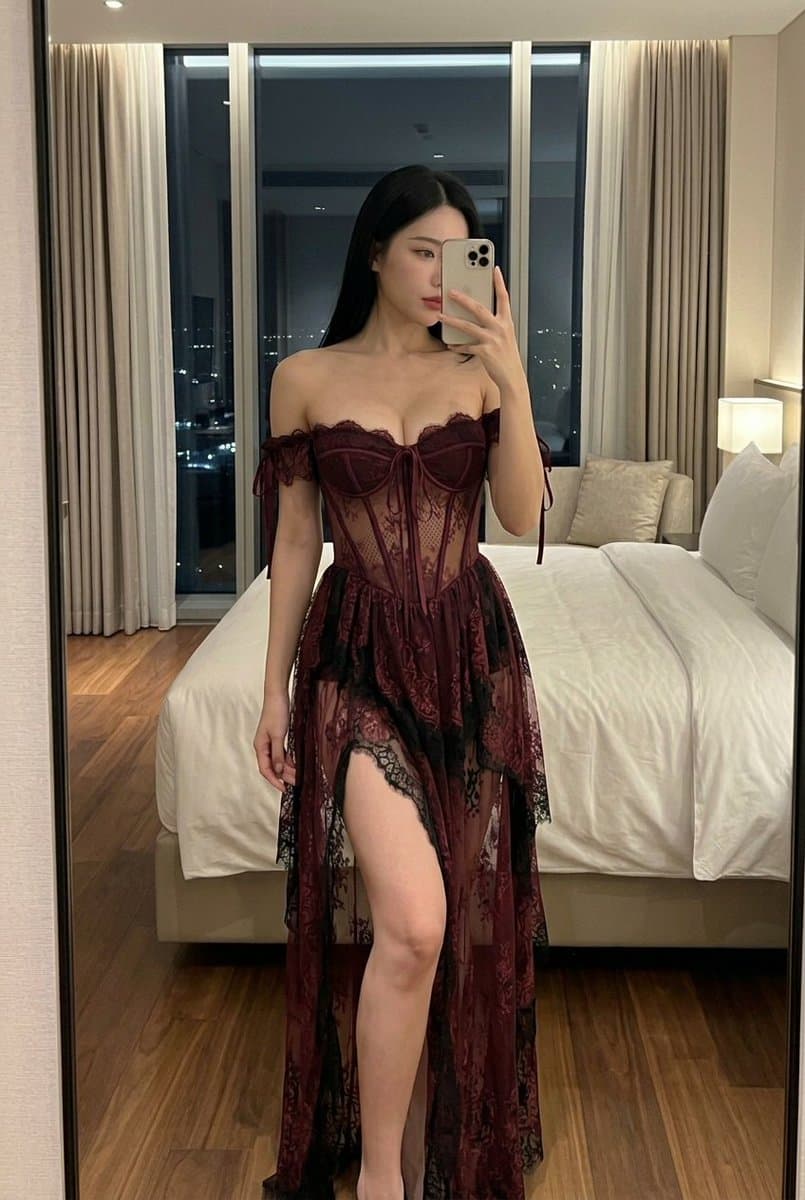
- Beyond merch and sports, the same long-form prompting style is showing up in editorial selfies, macro product scenes and effect studies, from Underwoodxie96’s hotel selfie spec and bathtub selfie spec to GlennHasABeard’s snow globe build, which swaps environment variables inside a fixed macro-photography setup.
What do the new prompt systems actually lock down?
Amir Mushich’s merch prompt reads less like a caption and more like an art-direction brief. It specifies garment weight at 320–380gsm, a matte black hanger on a chrome pipe, a slightly low camera angle, a 4–6 degree counter-clockwise tilt, f/5.6 depth of field, and a dark cyclorama background chosen to contrast with the brand color. The output target is photoreal studio merch that still shows wrinkles, weave, pilling and cracked screen-print ink rather than “AI plastic sheen,” with the full scaffold available through the prompt link.
The sports-ad version uses the same fixed-scaffold logic. MayorKingAI’s template keeps the “ARRI Alexa 65” framing, sharp subject plus motion blur, dramatic lighting and “hero composition,” then swaps athlete description, action, angle, lens and grade. In the tips post, he narrows the variables further: describe the peak moment instead of the sport, prefer low or side angles, and escalate from “dynamic motion blur” to “pronounced dynamic motion blur” when the frame feels static.
How are creators using them to iterate fast?
The clearest pattern is to freeze most of the prompt and change one slot. Mushich explicitly frames the merch setup as “change a single variable, get consistent results” in his example, and similar outputs show the same hanging-shirt composition reused across Ellesse, Toblerone and Corona-style mockups. That makes the prompt function like a modular product-shoot template rather than a fresh generation brief every time.
Underwoodxie96 is applying the same approach to character photography. The bathtub prompt and hotel mirror-selfie prompt lock perspective rules, anatomy constraints, lighting mix, fabric behavior and background elements so tightly that the prompt behaves like a scene bible. GlennHasABeard’s snow globe prompt does it for macro builds by keeping the dark table, 85mm lens, shallow depth of field and moody product-photography setup fixed while swapping environment, vegetation and light-source variables. Even narrower effect studies like the frosted-glass example fit the same pattern: hold the imaging recipe steady, then tune a single visual effect.