
Nexus guide opens a Dreamina boards and Seedance burst-coverage workflow
PJ Accetturo published a step-by-step Nexus making-of guide covering board planning, look-dev, Luma asset organization, and Seedance burst coverage. The thread turns a 20 million view teaser into a repeatable AI film workflow with disclosed credit and labor costs.
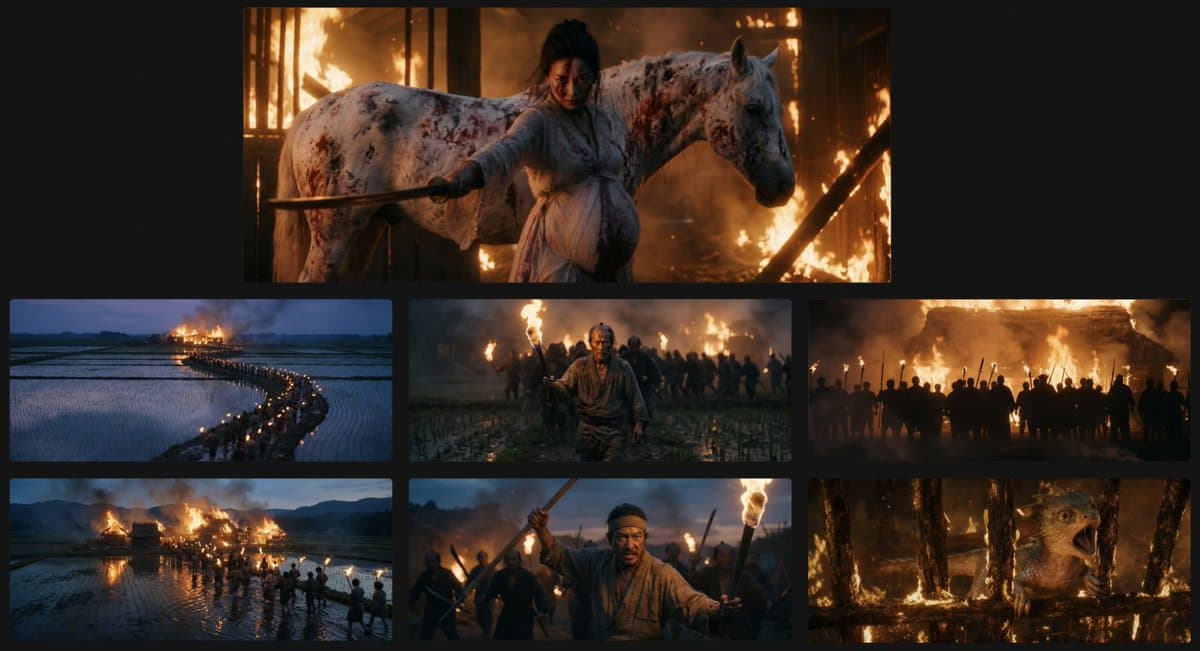
TL;DR
- PJaccetturo's XPRIZE trailer thread says the shelved three minute Nexus trailer was built for an XPRIZE that offers $2.5 million for an optimistic sci-fi film, and that making it helped lead to financing for the feature.
- According to PJaccetturo's board workflow post, the production backbone was a Figma-like planning board, while PJaccetturo's look-dev post shows multiple artists exploring the same scenes in parallel before one artist handled most core images.
- PJaccetturo's anchor-image walkthrough turns the image pipeline into a repeatable system: build a moodboard, lock a few anchor frames, generate large batches around those anchors, then narrow to the shots that are good to animate.
- In PJaccetturo's Seedance breakdown, PJaccetturo says Seedance works best in 15 second chunks, usually at 720p, with 1080p reruns reserved for the closeups that need extra crispness.
- Cost is unusually explicit here: PJaccetturo's cost reply puts the Dreamina credits at about $5,000, while the same post says total labor was at least $30,000 and PJaccetturo's earlier production note says he also scrapped roughly six weeks of earlier work.
You can watch the abandoned Nexus XPRIZE trailer, scan the board-first collaborative framework post, and lift the detailed Seedance prompt examples almost shot for shot. There is also a live workshop signup attached to the thread, and PJaccetturo's anchor-image thread is the clearest look at how the teaser's wet-market world got narrowed from hundreds of images into a usable film board.
XPRIZE trailer
The guide starts with a useful twist: the workflow was first built for a different version of Nexus, not the teaser that went viral. In PJaccetturo's XPRIZE trailer thread, PJaccetturo says he spent two months on a three minute trailer for the XPRIZE, then scrapped it after deciding the teaser's animal-in-crisis angle was a better story engine.
That rewrite was not minor. PJaccetturo's earlier production note says the first pass leaned too hard into science fiction exposition, and that a late pivot toward a darker wet-market concept triggered another two week sprint that produced the five minute teaser.
Boards and moodboards
The planning system is simple enough to steal:
- Write the trailer script.
- Break it into scenes on a Figma-like board.
- Give artists separate areas so they can explore looks without copying each other.
- Build a shared world bible before anyone starts polishing shots.
The moodboard comes before the board. PJaccetturo's story-world post says PJaccetturo used Pinterest to push a "greco-futurism" aesthetic until the world felt cohesive, and PJaccetturo's look-dev post says he then brought in several Midjourney artists to produce high-level looks for major scenes. After that exploration round, one collaborator, Karim, handled most of the core images with a mix of Nano Banana and Seedream, according to PJaccetturo's look-dev post.
Anchor images and character sheets
The most concrete production trick in the thread is the anchor-image method. PJaccetturo's anchor-image walkthrough says one establishing shot can set the entire aesthetic of a scene, after which an agent can pitch dozens of variations and the team narrows to four or five anchors for all later generations.
PJaccetturo describes the image phase as a funnel:
- Start with one hero establishing frame for the scene anchor-image walkthrough.
- Ask an agent for 50 visual ideas, then keep four anchor images anchor-image walkthrough.
- Generate focused batches for subareas such as cages, vendors, or arena details anchor-image walkthrough.
- Distill those batches to the 20 images that are actually "good to animate" anchor-image walkthrough.
Character sheets are treated as animation controls, not just concept art. PJaccetturo's character-sheet template says text baked onto the sheet helps the model understand both appearance and voice, and PJaccetturo's character-sheet walkthrough recommends a three-view white-background layout for consistency.
Burst coverage
The animation method is less about one perfect prompt than about giving Seedance structured ingredients. PJaccetturo's Seedance breakdown says PJaccetturo feeds the model reference photos, character sheets, scene geography, lens language, blocking, dialogue beats, and sound design in one long prompt.
The thread splits animation into two modes:
- Quick coverage: upload location shots plus character sheets, then accept looser blocking PJaccetturo's workflow thread.
- Burst coverage: choose a start frame, a location image, and character sheets, then ask Seedance to cycle through 15 to 30 angles across a 15 second clip while keeping actors mostly fixed in place PJaccetturo's workflow thread.
- Finishing pass: move the best shots to 1080p only when a closeup needs it, because PJaccetturo's cost and resolution reply says a 1080p rerun costs about $15 per pull.
One extra step matters. PJaccetturo's workflow thread says those burst clips can be dropped into Luma for frame extraction and upscaling, and PJaccetturo's raw clip reply shows he sometimes works from raw clips with minimal cleanup before pulling stills.
Credits and labor
The thread is unusually blunt about spend. PJaccetturo's cost reply says Dreamina provided about 500,000 credits, which PJaccetturo estimates at roughly $5,000, but he adds that total labor was at least $30,000.
Those numbers also explain the repeated push toward 15 second sequences, 720p default renders, and selective 1080p reruns. PJaccetturo's Seedance breakdown says 720p covered about 99 percent of the film's animation, while the higher resolution pulls were saved for only the shots that needed crisp closeups.
The last useful fact is team size. PJaccetturo's teaser post says the finished five minute teaser was made by three people in two weeks, while PJaccetturo's cost reply says four people made the broader workflow thread example. That gap makes the guide more valuable than the teaser itself, because it shows which parts were fast, which parts were expensive, and which parts were discarded before the viral version existed.