
Nano Banana 2 supports 2D-to-3D pipelines from Niji and Midjourney frames
Shared workflows show creators generating flat art with Niji or Midjourney, converting it into polished 3D with Nano Banana 2, then passing frames to Kling for motion. Use it to lock style and composition before animation.
TL;DR
- Creators are converging on a simple chain: generate flat character or scene art in Niji or Midjourney, run it through Nano Banana 2 for a polished 3D pass, then animate between frames in Kling, as shown in Grok flour test and shaman warrior demo.
- The Nano Banana step is being used less as a pure upscaler than as a style-preserving 2D-to-3D conversion layer; pipeline prompt spells out a render brief focused on composition, color palette, subsurface scattering, global illumination, and depth of field.
- Side-by-side posts suggest the appeal is consistency and finish: MJ to Nano comparison, v8 vs Nano, and 2D or 3D all frame Nano Banana as the step that turns flatter source art into something closer to feature-animation lighting and materials.
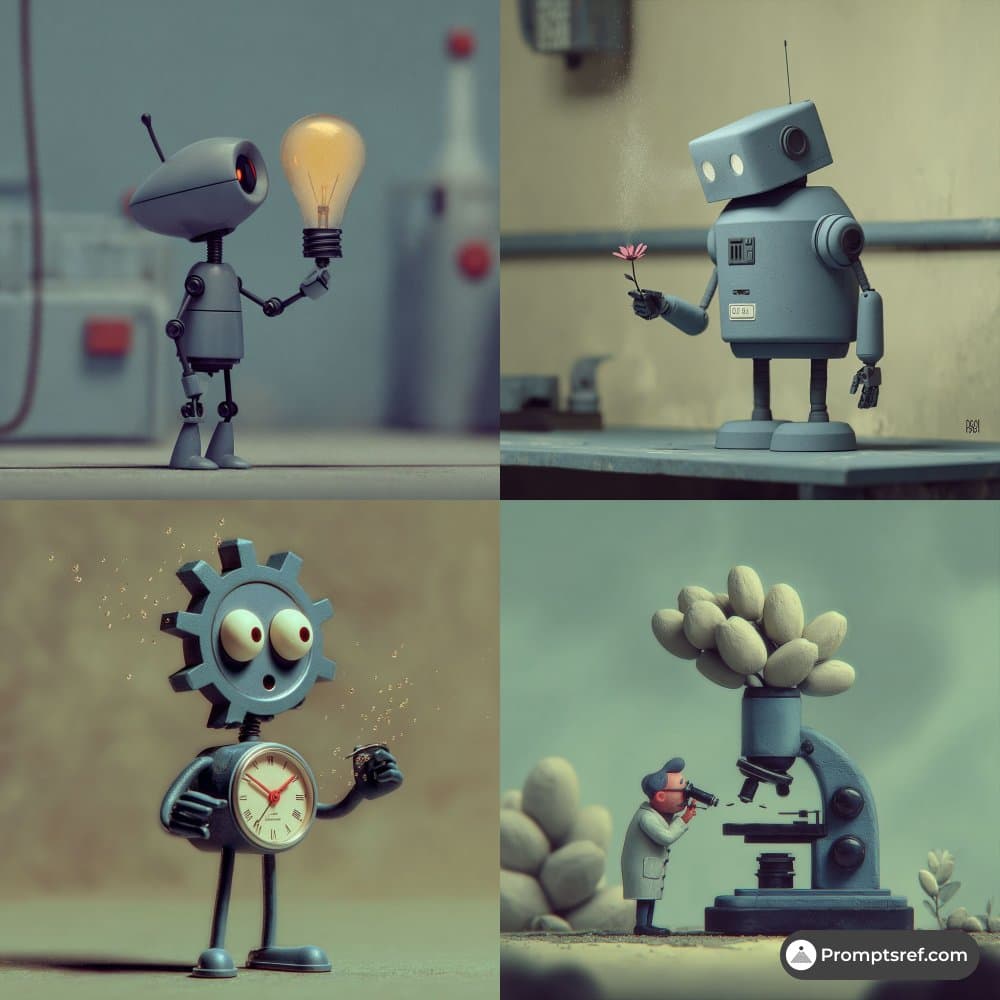
- Midjourney style references still matter at the front of the workflow, with stop-motion sref showing one reusable recipe:
--sref 2846857487 --v 7 --sv 6for a tactile retro stop-motion look before the 3D conversion.
What does the pipeline actually look like?
The shared recipe is straightforward. Promptsref's pipeline prompt starts with Niji style-ref images, then sends the selected frame into Nano Banana 2 using a tightly specified conversion prompt: “modern feature-animation 3D render,” clean shapes, soft subsurface scattering, cinematic global illumination, crisp depth of field, and preserved composition and color.
That same chain extends cleanly into motion. In the Grok flour test, the creator says they generated an initial image, made a flour-covered variant in Nano Banana 2, then fed the first and last frames into Kling 3.0 for the final transition video flour transition.
What are creators getting out of it?
The visible gain is depth and materiality. This comparison post contrasts a flatter Midjourney anime-style frame with a Nano Banana result that adds more believable forest lighting, surface detail, and a stronger animation-frame finish [img:3|side-by-side frame].
Other creators are using the same stack for original characters, not just tests. In this shaman warrior demo, Midjourney handled the 2D concept, Nano Banana Pro pushed it into 3D, and Kling 2.6 animated the blue flame accents. A separate 2D-or-3D post shows the same pattern on a stylized purple-haired character, where the converted version keeps the silhouette but adds volumetric, liquid-like forms and richer lighting.
Which prompts and style settings matter most?
The strongest evidence here is front-loaded style control. Promptsref's sref post recommends --sref 2846857487 --v 7 --sv 6 for a WALL-E-meets-Laika miniature look: matte metal, muted blue-gray tones, soft lighting, shallow depth of field, and handcrafted textures. The linked full guide expands that into use cases like indie game art, packaging, and animated short concepts.
Once the 2D frame is locked, the Nano prompt does the rest of the heavy lifting. A v8-versus-Nano comparison and the repeated conversion prompt both suggest the win comes from fixing composition and palette upstream, then asking Nano Banana for better materials, stylization, and cinematic light rather than re-inventing the shot.