
Nano Banana 2 supports character turnaround sheets for Seedance video prep
Nano Banana 2 is being used to turn niji or Midjourney art into multi-angle character sheets and 3D-looking turnarounds before Seedance animation. The prep step helps longer narrative video workflows, but creators are still patching anatomy and material consistency by hand.
TL;DR
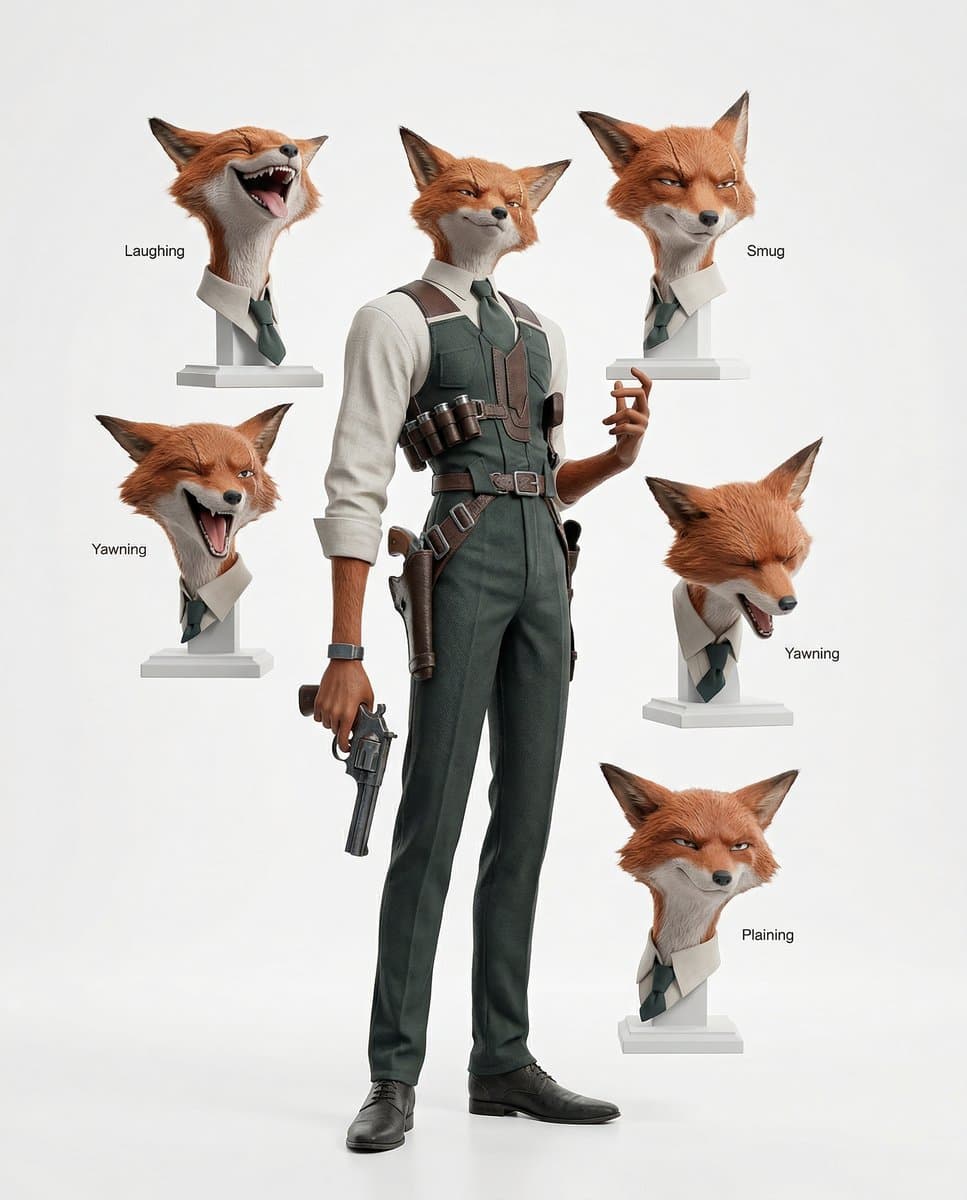
- Nano Banana 2 is showing up as a prep step for longer AI video work: creators are using it to turn niji-style character art into clean turnaround sheets and more 3D-looking presentation boards before moving into Seedance animation, according to the character-sheet demo and the workflow note.
- The clearest recipe so far comes from 0xInk_, whose shared prompt converts a 2D design into a hyper-realistic collectible-style render while preserving pose, outfit, and silhouette for multi-angle reference.
- The workflow is already broad enough to support multiple characters, with a second cat-gangster sheet and a cyborg sheet showing the same board format applied to different designs.
- The tradeoff is that creators are still compensating for weak spots by explicitly asking the model to fix hands, anatomy, duplicated parts, and material coherence, as spelled out in the alt prompt.
How the workflow looks in practice
The emerging workflow is less about a new model release than a concrete production use: make a stylized character in niji or Midjourney, then pass it through Nano Banana 2 to generate a white-background turnaround sheet with front-facing hero art plus expression heads and detail views. In 0xInk_'s demo post, the output becomes a fox character board with multiple facial expressions, and the post says the effect will feed a future Seedance 2 video.
A second cat-gangster example shows the same format working on another character: full body, repeated head angles, and consistent costume cues. The latest cyborg board pushes the same idea toward a harder-surface design, with close-ups on weapons, belt details, back armor, and lower-leg construction. Taken together, the examples suggest the value here is shot planning and consistency for narrative animation, not just making a prettier concept sheet.
What creators are using to get cleaner turnarounds
The key technical detail is prompt scaffolding. 0xInk_'s alt prompt asks for a "hyper-realistic 3D CGI collectible figurine render" with physically based materials, a seamless white studio background, soft diffused lighting, and exact preservation of the original design. It also adds explicit repair instructions for fingers, limb symmetry, floating elements, and duplicated body parts, which tells you where the raw generations still drift.
That recipe is already being packaged into tools. Underwood Xie says the prompt was moved into an AI Effect tab so users can trigger it directly from a web UI, and the screenshot in the rollout post shows presets for character design sheets, multi-angle generation, and 2D-to-3D conversion, plus support for Nano Banana Pro in a multi-model generator available via the generator page. The main creative takeaway is practical: Nano Banana 2 is being used less as a final-look engine than as a character-standardization layer before video.