
Nano Banana 2 supports 3x3 grids, turnaround refs and merch-shot prompt specs
Creators are turning Nano Banana 2 prompting into reusable playbooks built around grids, reference turnarounds, effect templates and product-shot skeletons. That matters because repeatable prompt systems make ads, posters and styled social assets easier to scale without losing consistency.
TL;DR
- Nano Banana 2 prompting is shifting from one-off prompts to reusable systems: a shared prompt Space bundles 25-plus prompts, i2v and a2v techniques, and 3x3 grid recipes in one place.
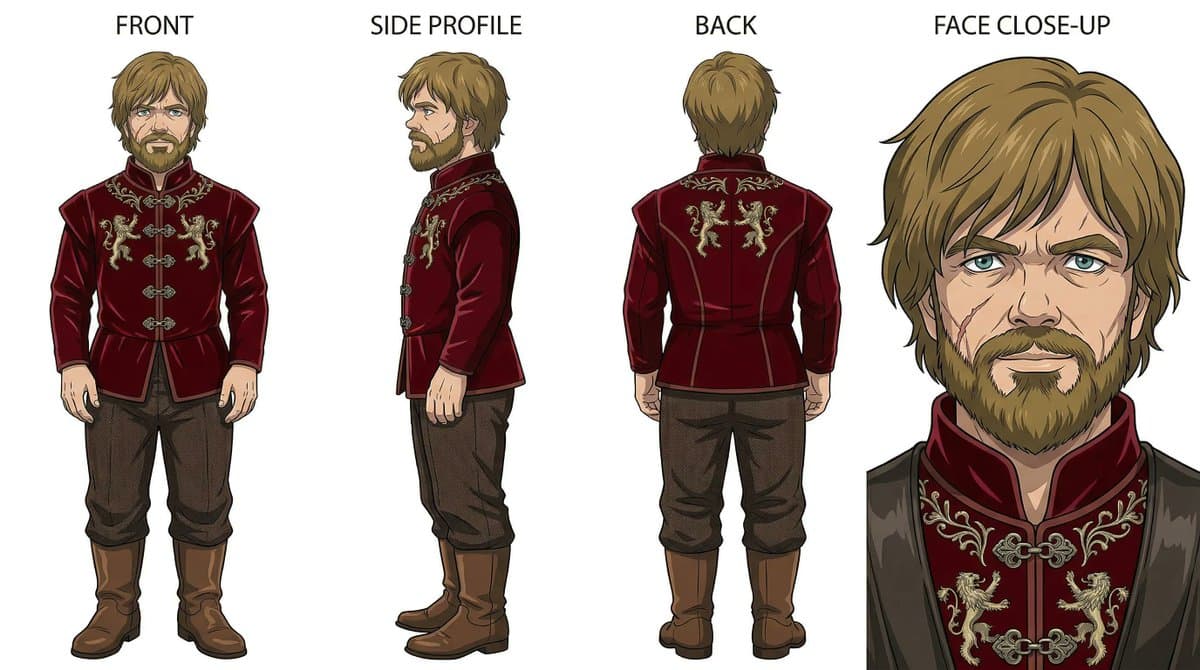
- Character consistency is getting handled through references instead of long prose. In a Ghibli x Game of Thrones demo, a turnaround sheet becomes the style anchor, then a second prompt places the cast into a shared scene.
- Creators are also publishing modular effect templates. One Firefly workflow uses fill-in-the-blank variables for “antique object + weather event,” while a foggy-glass prompt turns uploaded images into editorial-looking frosted-glass comps.
- The same structured approach is now being applied to commercial assets: a merch-shot skeleton swaps a single variable while keeping product-photography consistency, and a mixed-media portrait thread packages poster looks as a repeatable formula.
What prompt systems are emerging
The clearest shift is packaging prompts as playbooks instead of single generations. Techhalla’s shared Space groups 25-plus prompts, multiple image-to-video and audio-to-video techniques, and dedicated 3x3 grid prompts for Nano Banana, which suggests creators want a reusable prompt library, not a feed of isolated examples.
That same structure shows up in prompt design. GlennHasABeard’s Firefly template keeps the camera language fixed — macro photography, 85mm lens, shallow depth of field, moody product lighting — while swapping variables like mechanical object, weather event, light source, and material. In a follow-up comparison, the same creator said changing only the container from a lightbulb to a pocket watch produced a 0.97-point score swing, which is a useful reminder that object choice itself is acting like a high-leverage parameter.
How creators are locking style consistency
Reference-first prompting is emerging as the consistency trick. In ProperPrompter’s demo, the first prompt tells Nano Banana 2 to use a character turnaround from an uploaded image, then the second prompt asks for those characters together in a Ghibli-style scene. The workflow offloads identity, costume, and silhouette consistency into the reference image instead of restating every attribute.
Other creators are doing the same with effects. This frosted-glass recipe treats an uploaded image as the base plate, then specifies optical behavior — micro-distortion, refraction, scattered light, and one small clean wipe — so the output reads like a compositing treatment rather than a generic blur.
Which assets these templates target
Commercial-looking assets are where the playbook approach feels most mature. AmirMushich’s merch-shot post frames Nano Banana as a “smart prompt” system: keep the luxury product-shot setup stable, change one variable, and preserve the same polished catalog aesthetic. A similar keychain example shows the same logic applied to a different brand treatment.
Poster and social art are getting the same treatment. MayorKingAI’s portrait recipe fixes the visual grammar — black sketch strokes, torn newspaper collage, acrylic splashes, editorial print texture, premium poster finish — then swaps subject details and color pairs. The thread says the look was made in Leonardo, and Leonardo’s platform is where the creator points people to try Nano Banana 2.