
Fresh stories
Figma launches MCP connectors for Figma agent
Figma added MCP connectors so the Figma agent can reach apps like GitHub, Slack, Notion, Atlassian, Granola, Hex, and Dovetail. Testers can start trying connected code and video workflows as the beta rolls out.

Midjourney releases V8.2 Preview with --preview and 24x faster --sref random drafts
Midjourney opened V8.2 Preview behind the --preview flag and sped up --sref random draft generation by 24x. Use it to test style directions faster before committing to high-resolution variations.
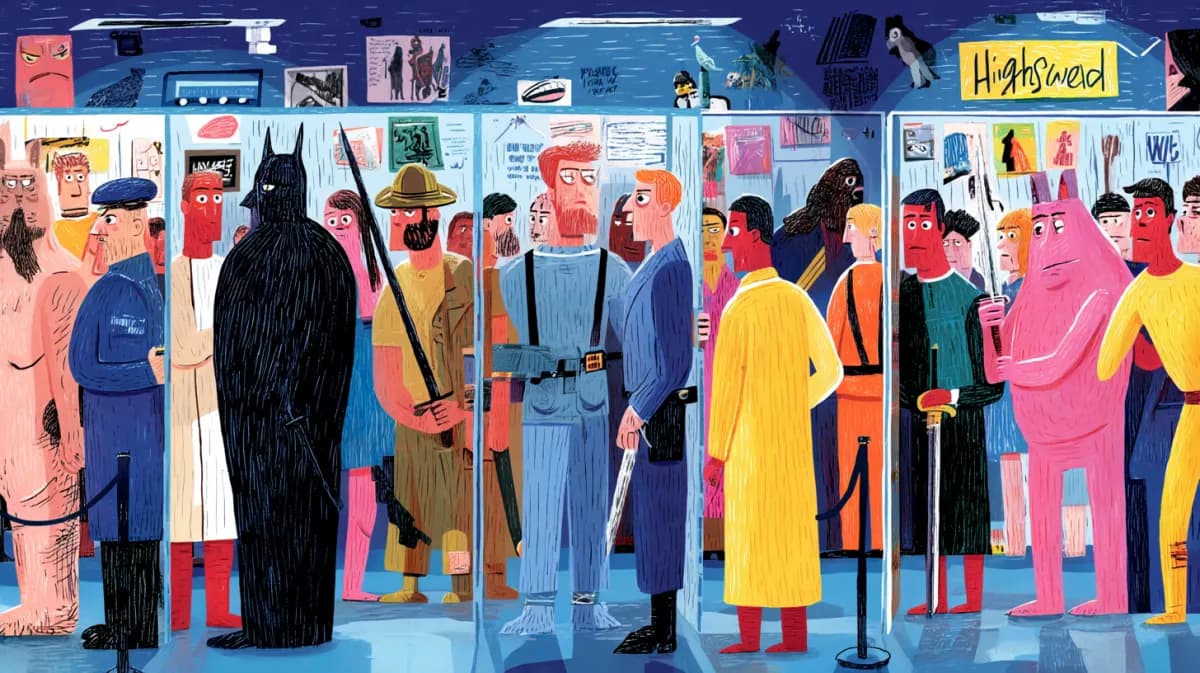



Adobe opens free Content Credentials web access for creator provenance
Adobe made Content Credentials available as a free standalone web experience instead of keeping it inside specific apps. Use it to attach authorship, tool, and edit metadata to files for authenticity checks and misuse disputes.
Figma launches MCP connectors for Figma agent
Figma added MCP connectors so the Figma agent can reach apps like GitHub, Slack, Notion, Atlassian, Granola, Hex, and Dovetail. Testers can start trying connected code and video workflows as the beta rolls out.
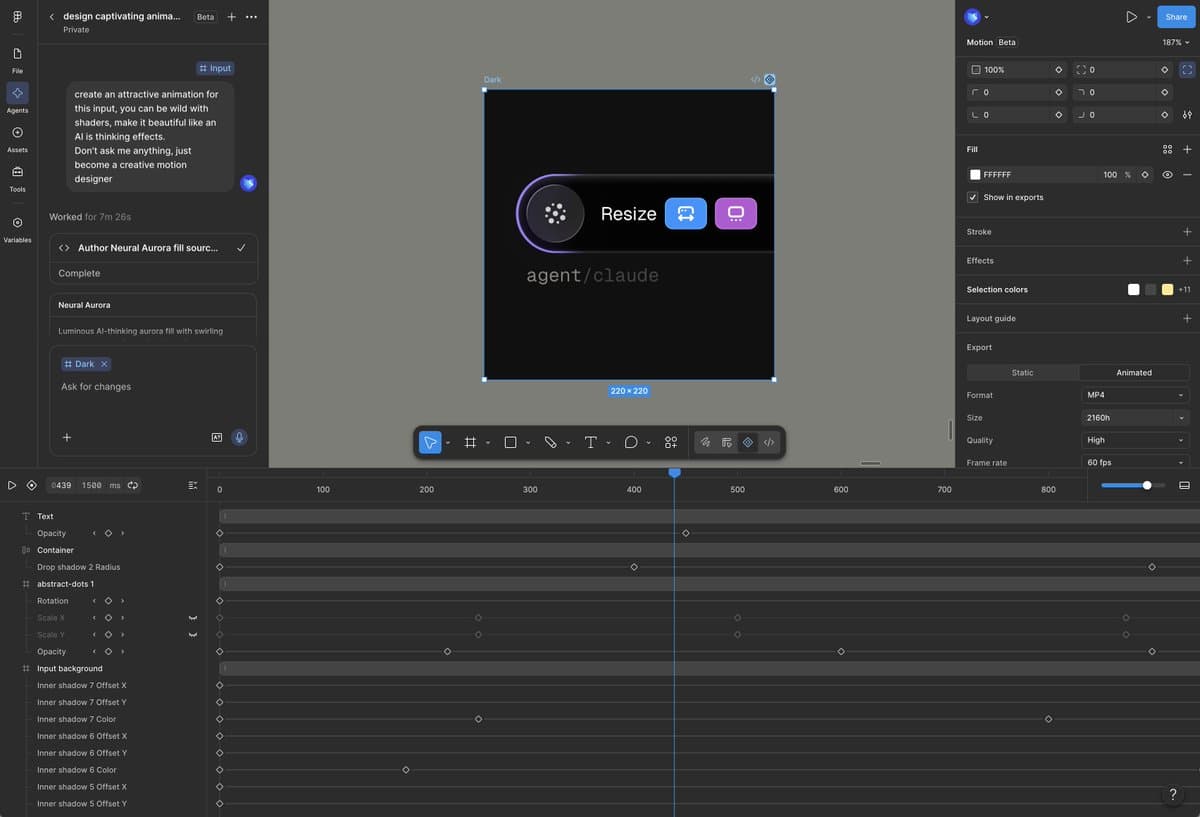
Figma Motion supports shader prompts with canvas handles in beta
Creator testing around Figma Motion now shows shader prompts, canvas handles, and keyframe retiming in the beta, alongside a detailed tutorial. Designers can keep more motion polish inside Figma before handing work to separate animation or code tools.
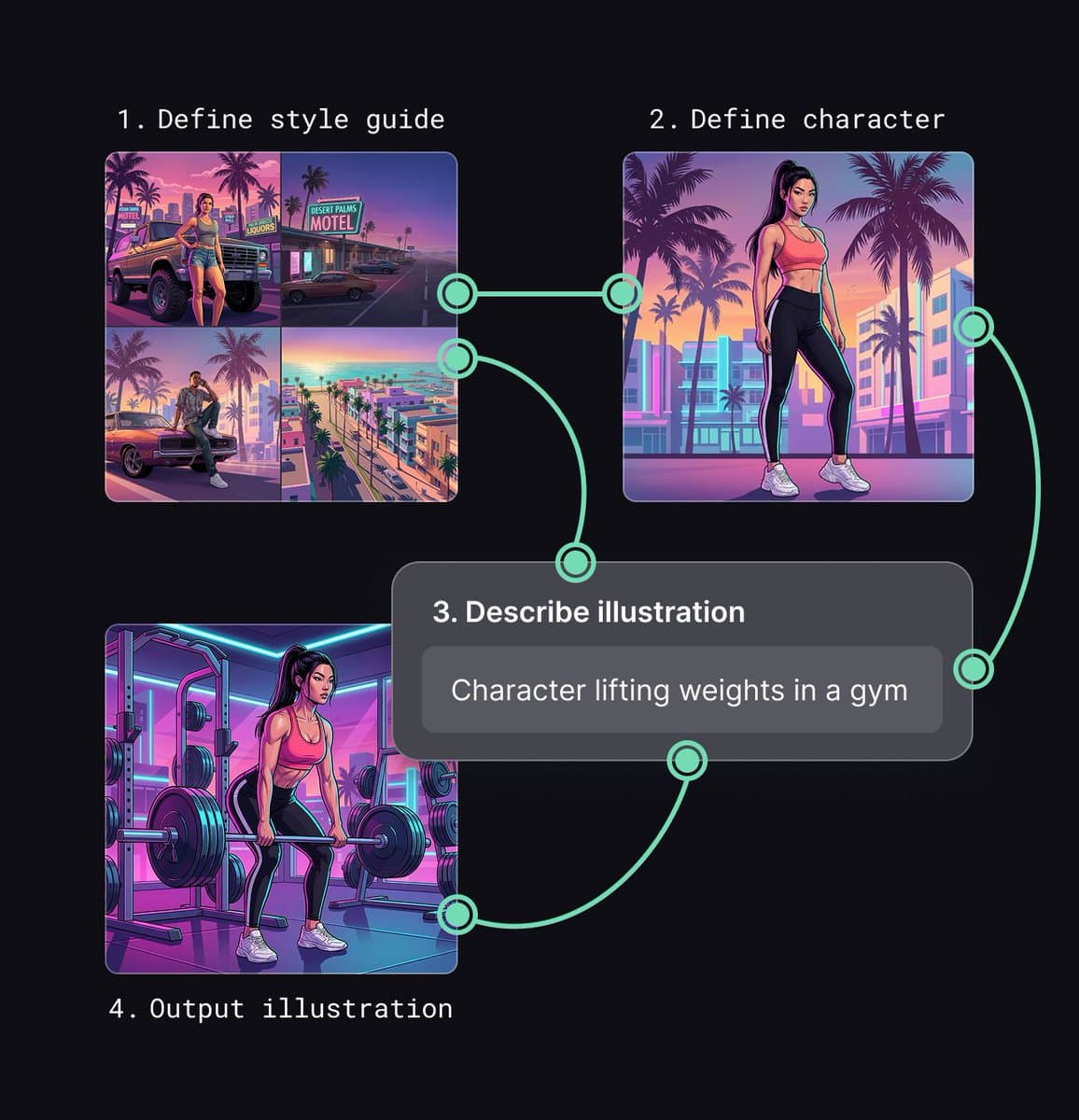
Figma Weave adds 20+ in-app AI tools and reusable node workflows
Figma Weave now exposes 20+ AI tools inside the desktop app and adds reusable node workflows for repeatable pipelines. Creators can use it to standardize illustration work, while full Figma frame embedding still appears to be coming soon.
Midjourney releases V8.2 Preview with --preview and 24x faster --sref random drafts
Midjourney opened V8.2 Preview behind the --preview flag and sped up --sref random draft generation by 24x. Use it to test style directions faster before committing to high-resolution variations.
Pika adds Seedance 2.0 Mini through MCP workflows
Pika made Seedance 2.0 Mini available through its MCP, following earlier native 4K Seedance support in the same layer. The change gives creators a cheaper and faster Seedance option inside Pika's workflow stack.
Runway launches Agent 2.0 for briefs, campaign assets, and performance analysis
Runway introduced Agent 2.0 to turn a prompt into marketing briefs, creative assets, and performance analysis across platforms and markets. Try it if you want campaign planning and iteration inside one workflow instead of separate tools.
Briefs forJune 25
Top storiesthis week
Figma launches Motion with timeline editing and MP4, WebM, GIF export
Figma Motion adds animation editing inside the design file with a collaborative timeline and exports to MP4, WebM, GIF, and code. Use it to keep common UI and launch-film motion work in Figma instead of handing it off to another tool.


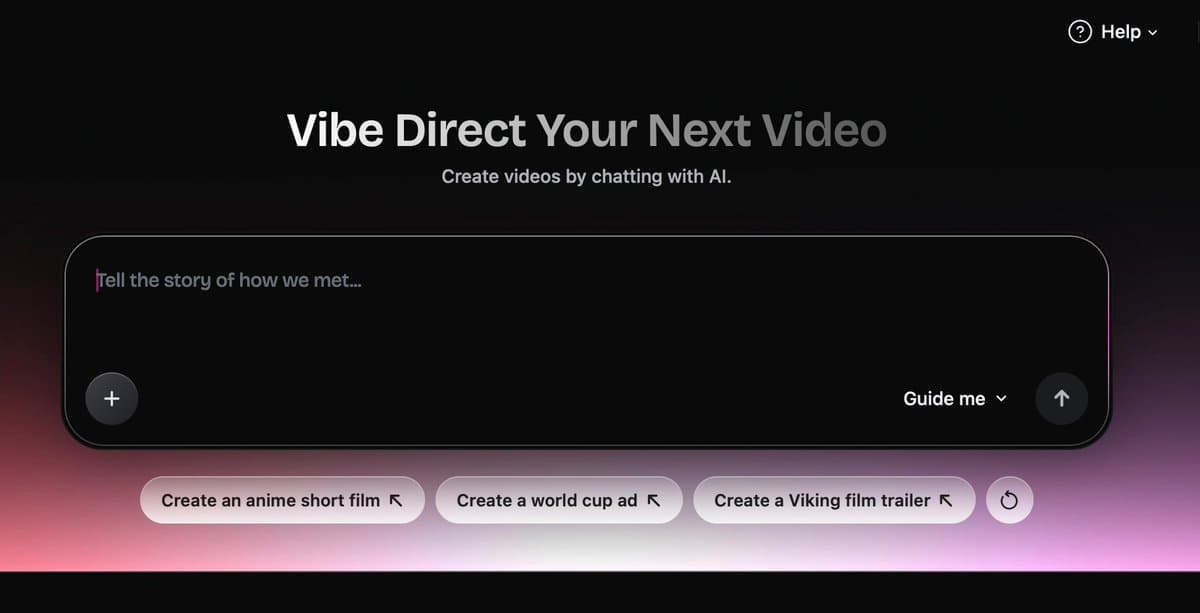

Runway launches ad localization for one-image, any-language variants
Runway released ad localization that turns a single image into market-specific variants across languages. Use it to keep multilingual ad production inside one creative tool instead of rebuilding assets for each region.

Seedance 2.0 4K turns viewport previews into final anime and cinematic shots
Higgsfield and creators showed Seedance 2.0 4K converting viewport previews, greybox previs, and storyboard frames into finished anime and cinematic shots. Try it if you need camera moves and blocking to survive the jump from rough 3D planning to final renders.
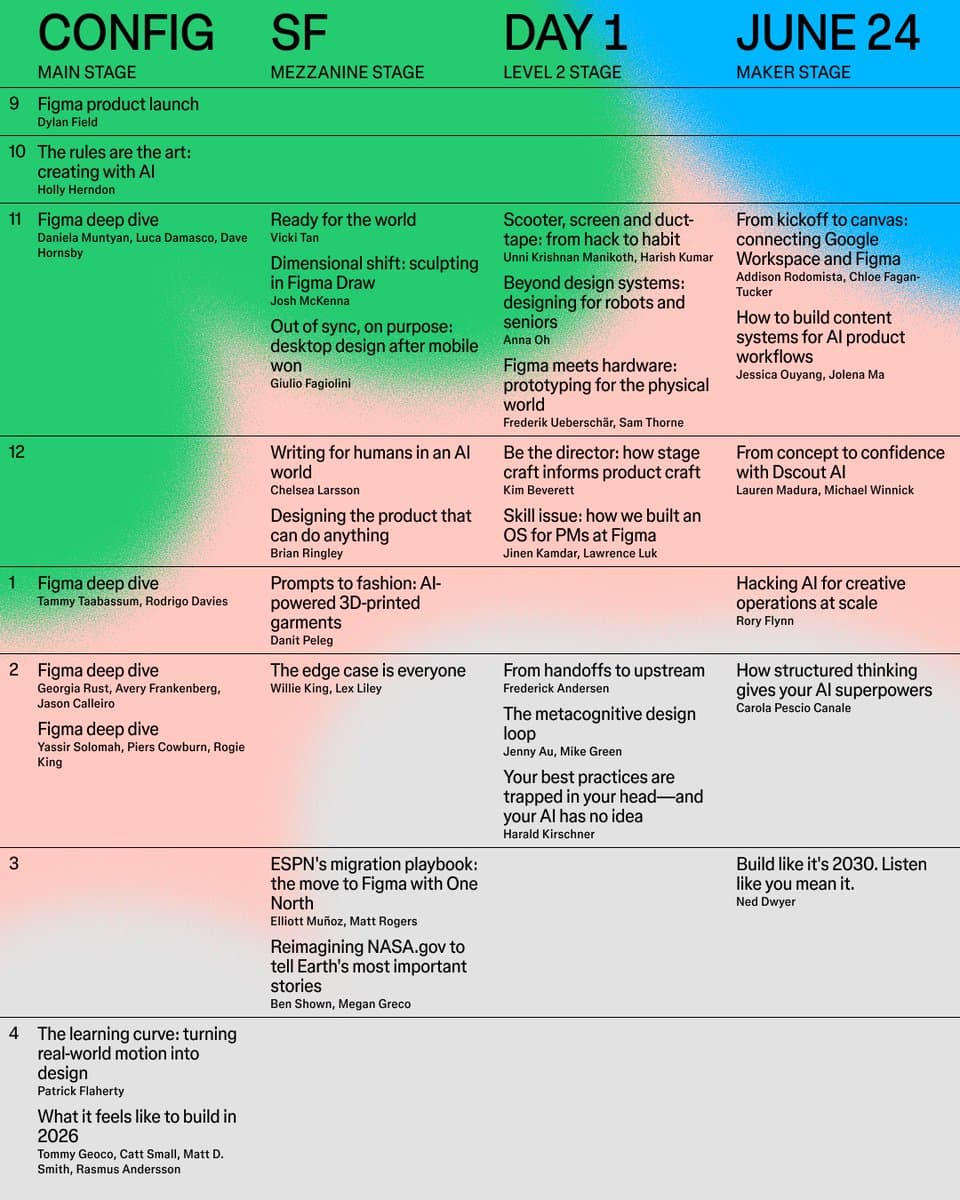
Figma opens design agent beta to 100% of Pro, Org, and Enterprise plans
Figma expanded its design agent beta to all Pro, Org, and Enterprise plans ahead of Config. Teams on paid tiers can now test the agent more broadly as it moves from a narrow preview to a feature with real workflow coverage.

Adobe Firefly Boards supports 100+ artists in 'Gallery of the Future' collaboration
Organizers say Gallery of the Future brought 100+ artists and filmmakers onto one Firefly Board, with 50,000 views and a planned zine and exhibition follow-up. The project turned Boards into a real large-scale co-creation test, while participants flagged desktop-only use, character limits, and heavy-file handling as practical constraints.

Daily AI Digest
Get the best stories delivered
to your inbox
Skills Spotlighttop by stars
creative-ideation
Generate ideas via named methods from creative practice.
baoyu-comic
Knowledge comics (知识漫画): educational, biography, tutorial.
comfyui
Generate images, video, and audio with ComfyUI — install, launch, manage nodes/models, run workflows with parameter injection. Uses the official comfy-cli for lifecycle and direct REST/WebSocket API for execution.
Workflows you can try today
Seedance
24th JuneSeedance 2.0 4K turns viewport previews into final anime and cinematic shots
Higgsfield and creators showed Seedance 2.0 4K converting viewport previews, greybox previs, and storyboard frames into finished anime and cinematic shots. Try it if you need camera moves and blocking to survive the jump from rough 3D planning to final renders.
Adobe Firefly
23rd JuneAdobe Firefly Boards supports 100+ artists in 'Gallery of the Future' collaboration
Organizers say Gallery of the Future brought 100+ artists and filmmakers onto one Firefly Board, with 50,000 views and a planned zine and exhibition follow-up. The project turned Boards into a real large-scale co-creation test, while participants flagged desktop-only use, character limits, and heavy-file handling as practical constraints.
Claude Code
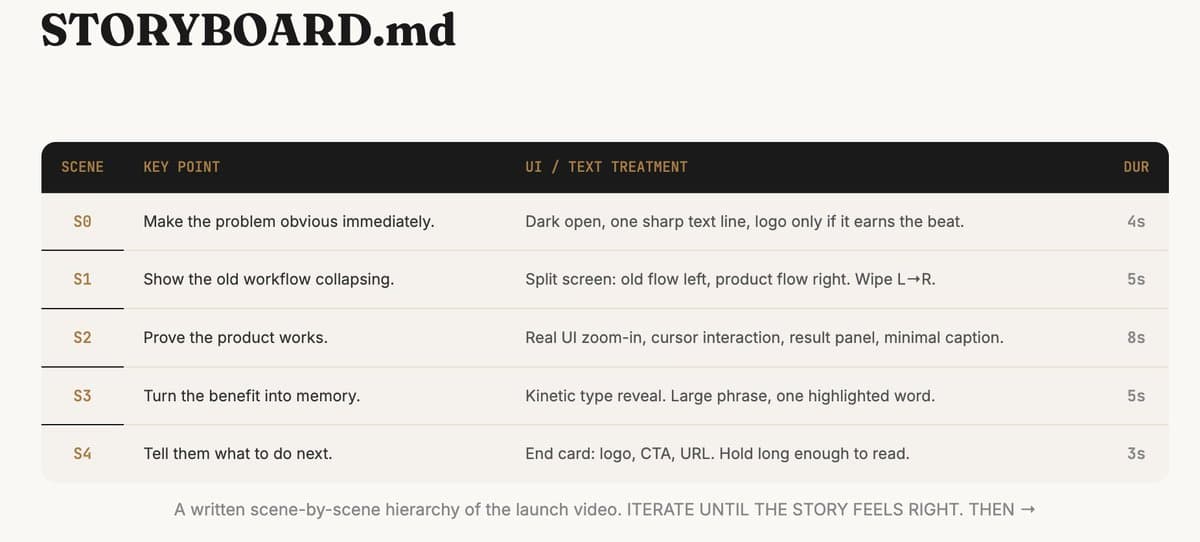
22nd JuneHyperFrames guides 5-step HTML launch video workflow with storyboard review
A creator walkthrough mapped HyperFrames into a five-step process: gather assets, write a storyboard, mine the launch repo, review static frames, then build and polish the final clip. Keep edits in HTML until the last pass, then use Studio for copy, spacing, color, and motion tweaks.
Seedance
22nd JuneSeedance adds acting-style extraction for scene-to-scene reuse
A new Seedance breakdown shows how to move a chosen audition performance into fresh scenes by extracting acting style into a reusable prompt instead of copying the audition clip. Use the workflow to avoid inheriting unwanted camera movement, framing, lighting, and composition from the reference video.
Prompt of the day

Gemini Omni adds reference-to-prompt video restyles with a 10-second cap
Creators are using Gemini Omni to read a reference design and generate a final prompt for another video model while preserving face, voice, lip sync, and gestures. Use it to separate style translation from generation, but plan around the current 10-second output limit.
Claude Opus 4.8 builds one-prompt animated landing pages in creator demos
Creators published prompt stacks showing Claude Opus 4.8 and Gemini 3.1 Pro building animated hero sections and full landing pages, with Fable-era demos supplying longer asset maps. The workflow pushes AI web design beyond wireframes into motion, media choreography, and inspectable front-end polish.