
A creator connects GPT-6 Astra to Hyper3D Rodin over MCP
The workflow gives GPT-6 Astra authenticated MCP access to Hyper3D Rodin for planning and generating 3D assets. A related setup sends an image through Astra and Codex to create an editable 3D space rather than a static model.
TL;DR
- A coding agent can bring 3D generation into a build loop: hasantoxr describes Astra as the planner and tool caller, with Hyper3D Rodin producing an asset when the project needs one.
- The configuration is three steps: hasantoxr's setup post directs creators to copy Hyper3D's MCP prompt, paste it into Codex or Claude, then authorize and verify the tools.
- One image can become a 3D space that remains open to edits, according to hasantoxr's image-to-world post, which names Astra, Codex, and the Hyper3D MCP as the chain.
- The entry offer carries a partnership disclosure: hasantoxr says the thread was built with Hyper3D Rodin and promotes a $1 creator plan plus 10 credits.
Rodin's official API documentation describes the underlying job system for text- and image-to-3D generation, including authentication, task status, and downloads. A DeemosTech BlenderMCP repository shows the adjacent pattern, connecting an assistant to Blender controls while adding Rodin model generation.
MCP setup
The creator calls this a five-minute setup. The handoff has three explicit actions:
- Open Hyper3D's MCP area and copy its prompt.
- Paste that prompt into Codex or Claude.
- Configure Hyper3D over HTTP plus OAuth, authorize it, then verify its tools.
Rodin's public API docs specify Bearer authentication for protected HTTP endpoints. The creator's configuration describes HTTP plus OAuth, but does not identify the MCP endpoint or its exact authorization flow.
The asset handoff
The agent receives the actual brief, such as a game, website, or scene. When it determines that the build needs a model, the creator says it confirms parameters and workspace, calls Rodin, retrieves the result, integrates it, then runs and iterates on the project.
In hasantoxr's Codex step, the first test is simply asking the now-connected agent to generate a Hyper3D model. The important workflow detail is that the model request happens inside the same agent session as the implementation work.
One image, an editable space
A related post swaps the written brief for a single image and claims the resulting 3D space can be opened, tweaked, and developed further.
Rodin accepts one to five images at its Gen-2.5 endpoint; the first image supplies material-generation input, while a prompt is optional.
Dune racer controls
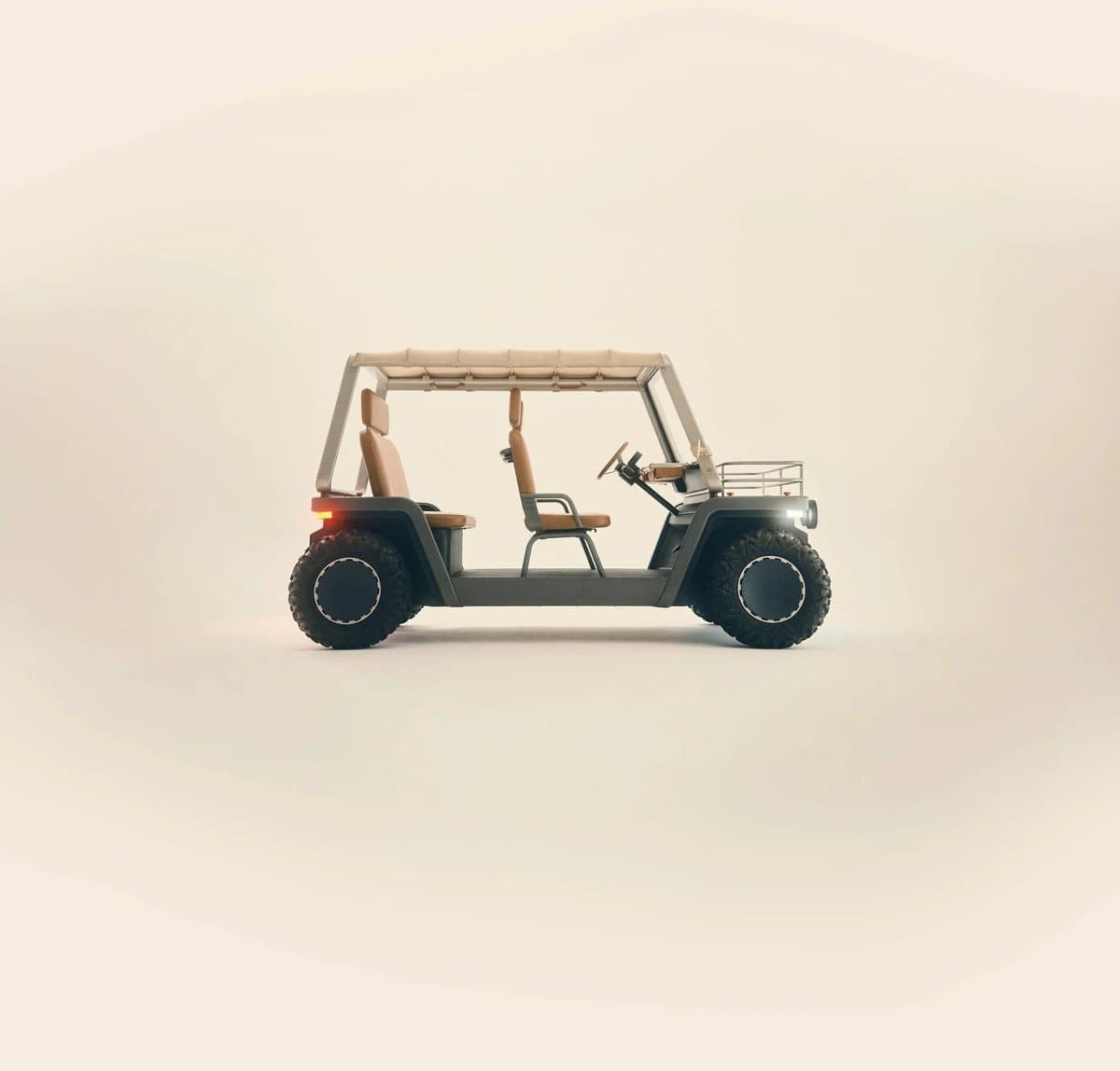
LinusEkenstam's Astra-assisted dune racer started from reference images of an Amble One vehicle and expanded into an open-world prototype with these current controls:
- Individual suspension control for all four wheels
- Power distribution and sand traction for drifting
- Particle dispersion, radio channels, and sound effects
- Vehicle lights, dashboard controls, and chase, driver, and orbit cameras
The stated backlog includes world-map generation, multiple vehicles, 3D-file uploads, a tuning garage, dune racing, and an Unreal port.
A Google Maps screenshot became a 15-by-14 km Marbella tile with 4,393 houses, 2,492 pools, roughly 20,000 building volumes, 29,000 trees, and 450 km of roads in a little over an hour, LinusEkenstam's world-generation post reports.
Machine-readable expertise
AmirMushich is recording After Effects workflows with commentary as prospective training data for agents that can perform design work. He frames the output as an extension of the familiar chain from work to portfolio to reputation, adding machine-readable expertise.