
Seedance 2.0 audition workflow adds Midjourney sheets and GPT Image 2
A published workflow turns Midjourney characters into GPT Image 2 sheets, then uses a long system prompt to generate Seedance audition scenes with role options and voice triggers. Use it to test performance and screen presence before producing full narrative shots.
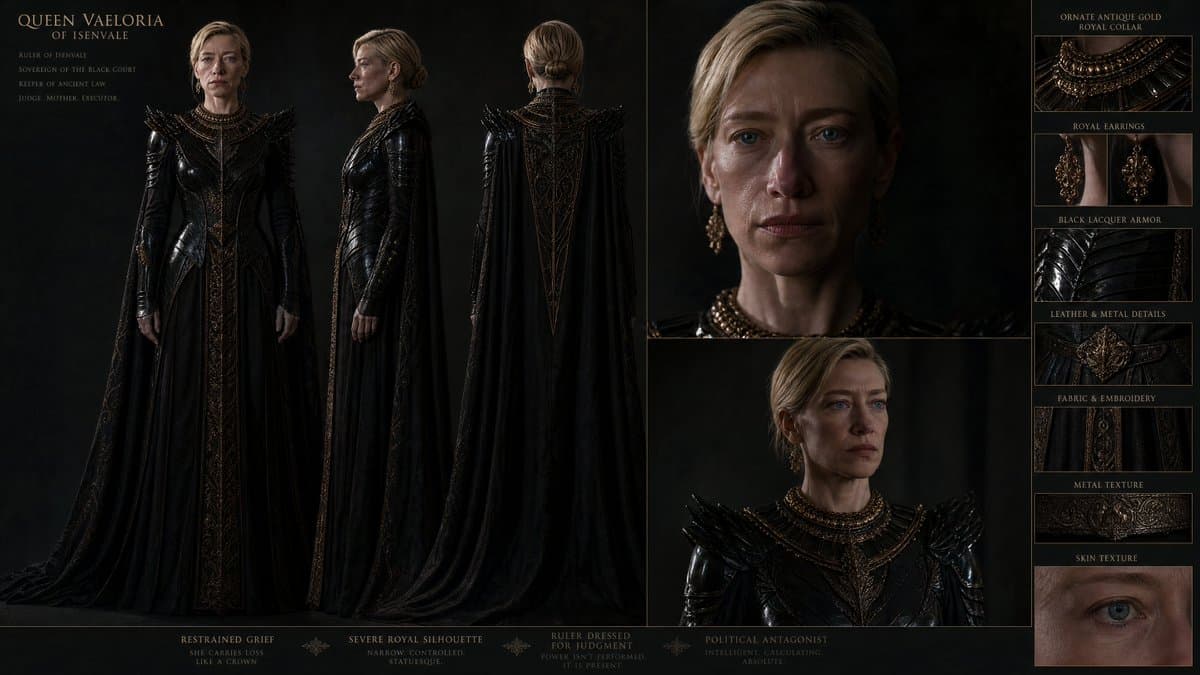
TL;DR
- _OAK200's workflow thread turns a static character pipeline into a screen test: Midjourney for the character, GPT Image 2 for the sheet, a custom system prompt for roles and dialogue, and Seedance 2.0 for the actual audition clip.
- According to _OAK200's prompt overview, the key shift is from designing how a character looks to testing how they speak, react, and hold the frame before you spend time on full scenes.
- _OAK200's published system prompt is unusually specific about performance mechanics, including subtext, silence, blinking, gaze shifts, vocal cracks, and off-camera reader dynamics.
- The workflow is built to branch before generation: the prompt spec asks for 3 to 6 role options, three audition lines, and three voice triggers, then waits for the user to choose a combination.
- This lands in a Seedance scene that is deliberately small and actor-focused, not trailer-style spectacle, which _OAK200's follow-up frames as a better way to discover screen presence before producing narrative shots.
You can watch the audition demo, read the full system prompt post, and compare it with louder Seedance use cases like techhalla's berserker action prompt or AIwithSynthia's Cheetos spec ad. The interesting bit is not that creators are using Seedance 2.0 for polished clips. It is that one workflow treats it like a casting room.
Workflow
The pipeline is four steps:
- Midjourney generates the base character.
- GPT Image 2 turns that character into a sheet.
- A custom system prompt reads the design, suggests roles, writes lines, and builds voice triggers.
- Seedance 2.0 renders the audition clip.
_OAK200's follow-up says the point is to revise at the audition stage, then move into full generation only after the character's movement, voice, and reactions feel right.
Casting read
The prompt tells the model to behave like a mashup of casting director, acting coach, screenwriter, and Seedance prompt engineer. The first pass is not visual styling. It is a performance read.
According to the full prompt, the casting read inspects physical presence, age range, social status, emotional weight, relationship to power, likely voice style, movement style, and facial behavior. Then it turns that read into role options such as lead, antagonist, mentor, tragic hero, or silent presence.
That is the sharp idea here: character sheets usually freeze a design, while _OAK200's description pushes the model to infer dramatic function from the design before any final video prompt is written.
Role options and voice triggers
Most prompt shares stop at a finished block. This one inserts a decision tree.
Before the final Seedance prompt, the spec requires:
- 3 to 6 role options, each with a note on what the audition should prove.
- Objective, obstacle, tactic, emotional shift, subtext, and casting note for the selected role.
- Three short audition lines, written as playable scene dialogue.
- Three voice triggers, each limited to no more than three qualities.
- A user choice step that picks one role, one line, and one trigger before generation.
The voice-trigger rule is especially clean. The prompt post bans full-sentence descriptions and wants short recipes like “authoritative, grief, controlled,” which keeps the emotional direction compact enough to reuse across variants.
Final Seedance prompt
The finished Seedance prompt has hard constraints. The published prompt caps it under 3500 characters, preserves the character's exact face and costume, and keeps the setting simple.
It also forces a very specific shot language:
- cinematic self-tape or acting audition
- medium close-up or locked eye-level camera
- shallow depth of field
- silence and reaction beats
- expressive vocal delivery
- subtle eye, head, and body behavior
- unresolved ending
- negative direction against overacting, montage logic, plastic skin, and exaggerated expressions
You can see the result in the demo clip, where the output is framed as a close performance test rather than a trailer beat reel.
Revision loop
The workflow is built for iteration before production. _OAK200's follow-up says the prompt gets revised after the audition, then sent back into Seedance 2.0 once the performance reads correctly.
That makes the audition stage a filter for three things that static character sheets miss:
- voice
- micro-expression
- screen presence
It is a small workflow change, but it moves failure earlier. A character that looks great in a sheet can still die on delivery, and the original thread is basically a workaround for that problem.
Spectacle prompts
The wider Seedance 2.0 prompt culture in this evidence set leans in the opposite direction.
techhalla's berserker post scripts a 15-second Viking rampage second by second, with camera motion, impacts, destruction, and blockbuster quality boosters. AIwithSynthia's Cheetos clip does the same for a six-shot branded CG ad with product beats, macro food shots, music cues, and a hero-frame finish.
That makes _OAK200's audition prompt stand out. It is optimized for reaction beats, subtext, and casting choices, not scale. In a feed full of battle scenes, VFX flexes, and glossy brand mockups, the weirdly useful idea is using Seedance to see whether a character can act.